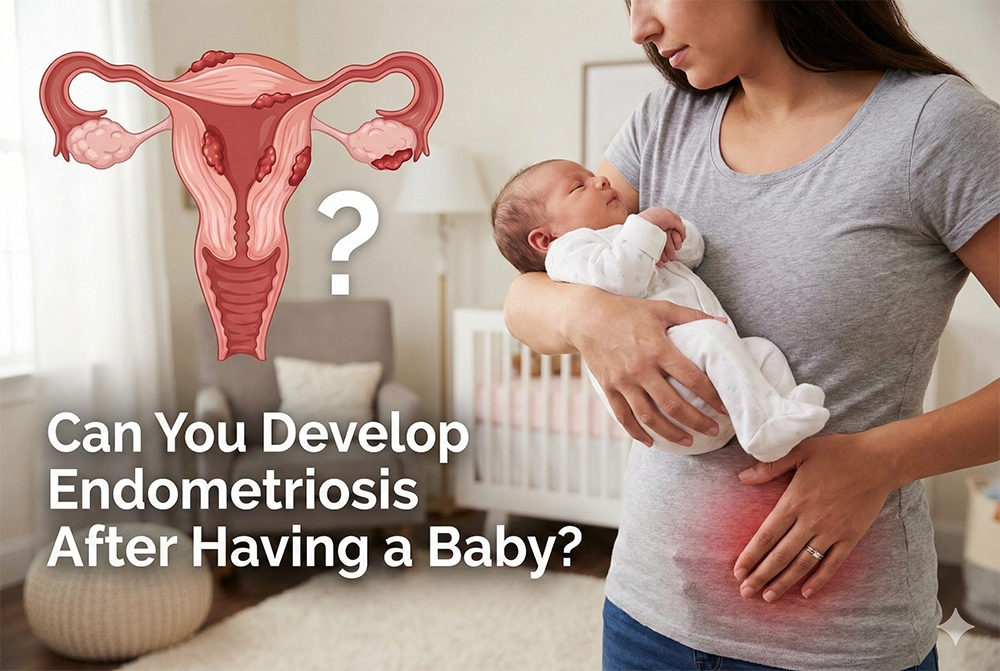
Many people assume that pregnancy and childbirth permanently protect against gynecological conditions, especially those related to hormones. One of the most common questions asked after delivery is whether it’s possible to experience endometriosis after having a baby. While pregnancy can temporarily relieve symptoms for some, it does not eliminate the risk entirely. Understanding how endometriosis behaves before, during, and after pregnancy is essential for recognizing symptoms early and seeking appropriate care.
What Is Endometriosis?
Endometriosis is a chronic condition where tissue similar to the uterine lining (endometrium) grows outside the uterus. These growths may appear on the ovaries, fallopian tubes, pelvic lining, or even the intestines and bladder. Because this tissue responds to hormonal changes, it can swell and bleed during the menstrual cycle, causing inflammation and pain.
Common Symptoms of Endometriosis
Symptoms can vary widely, and some people may not experience noticeable discomfort for years. The most frequently reported symptoms include:
- Chronic pelvic pain
- Painful periods (dysmenorrhea)
- Pain during or after intercourse
- Painful bowel movements or urination
- Fertility challenges
Does Pregnancy Cure Endometriosis?
A common myth is that pregnancy “cures” endometriosis. While pregnancy often leads to symptom relief, this effect is usually temporary. During pregnancy, ovulation stops and progesterone levels rise, which can suppress endometrial tissue growth. However, once menstrual cycles return postpartum, symptoms may also return.
Why Symptoms Often Improve During Pregnancy
There are several reasons pregnancy can reduce symptoms:
- No menstruation, which reduces inflammation
- High progesterone levels that slow tissue growth
- Temporary hormonal balance that suppresses estrogen dominance
These changes create an environment where endometriosis lesions are less active, but not necessarily eliminated.
Can You Develop Endometriosis After Having a Baby?
Yes, it is possible to develop endometriosis after childbirth, even if you never had symptoms before. Endometriosis can remain undetected for years or may develop later due to hormonal, genetic, or immune system factors. Postpartum hormonal fluctuations may unmask symptoms that were previously mild or nonexistent.
New-Onset vs. Previously Undiagnosed Endometriosis
In many cases, endometriosis diagnosed after pregnancy was likely present before but went unnoticed. However, some researchers believe that pregnancy-related changes, inflammation, or surgical interventions like cesarean sections may contribute to new lesion development in rare cases.
Cesarean Section and Endometriosis Risk
A rare form known as scar endometriosis can occur after a C-section. Endometrial-like tissue may implant in the surgical scar, leading to localized pain that often worsens during menstrual cycles.
Postpartum Hormones and Endometriosis
After delivery, the body undergoes significant hormonal shifts. Estrogen levels eventually rise again, especially after breastfeeding ends. This hormonal rebound may stimulate dormant endometrial lesions, causing symptoms to appear or intensify months after childbirth.
Breastfeeding and Symptom Suppression
Exclusive breastfeeding can delay the return of menstruation, which may prolong symptom relief. However, once cycles resume, endometriosis-related pain can return as well.
Signs to Watch for After Having a Baby
Postpartum recovery can mask certain symptoms, making it harder to distinguish normal healing from a chronic condition. Consider speaking to a healthcare provider if you experience:
- Persistent pelvic pain beyond postpartum recovery
- Extremely painful periods after cycles return
- Pain during intercourse months after delivery
- Digestive or bladder pain that coincides with your cycle
How Is Endometriosis Diagnosed After Pregnancy?
Diagnosing endometriosis postpartum can be challenging. Imaging tests such as ultrasound or MRI may help identify cysts or deep lesions, but the only definitive diagnosis is made through laparoscopy, a minimally invasive surgical procedure.
Why Diagnosis Is Often Delayed
Many postpartum symptoms—fatigue, discomfort, irregular cycles—are considered “normal,” which can delay investigation. Advocating for persistent symptoms is crucial for timely diagnosis.
Treatment Options After Childbirth
Treatment depends on symptom severity, breastfeeding status, and future fertility plans. Common approaches include:
- Pain management with NSAIDs
- Hormonal therapies such as progestin-only options
- Lifestyle changes including anti-inflammatory diets
- Surgical intervention in severe cases
Fertility Considerations
Many individuals with endometriosis conceive naturally, even after a diagnosis. Early management can help preserve reproductive health and reduce complications in future pregnancies.
Living With Endometriosis as a New Parent
Managing a chronic condition while caring for a newborn can be physically and emotionally demanding. Building a support system, prioritizing rest, and maintaining open communication with healthcare providers are essential steps toward long-term well-being.