Are Babies’ Eyes Fully Developed at Birth? Vision Milestones & Tips
Babies aren’t born with fully developed vision. Learn what newborns can see, key milestones, and when to call the doctor.
Read More →Physical, mental and emotional development of babies aged 0-12 months
20 articles found
Babies aren’t born with fully developed vision. Learn what newborns can see, key milestones, and when to call the doctor.
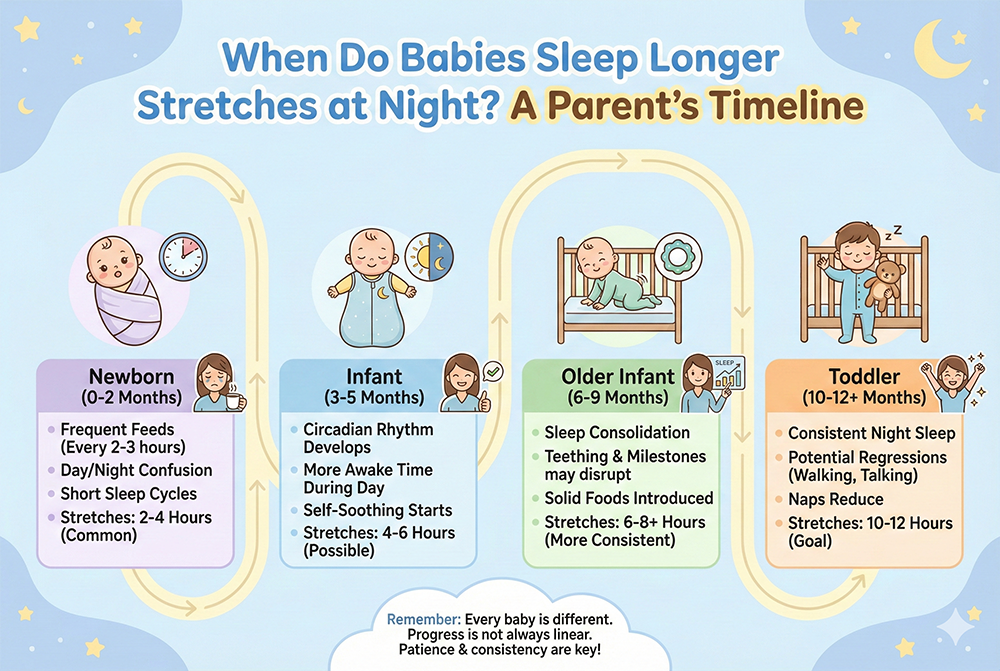
Read More →Most babies begin longer night stretches between 3–6 months, but patterns vary. Learn what’s normal and how to support safer sleep.
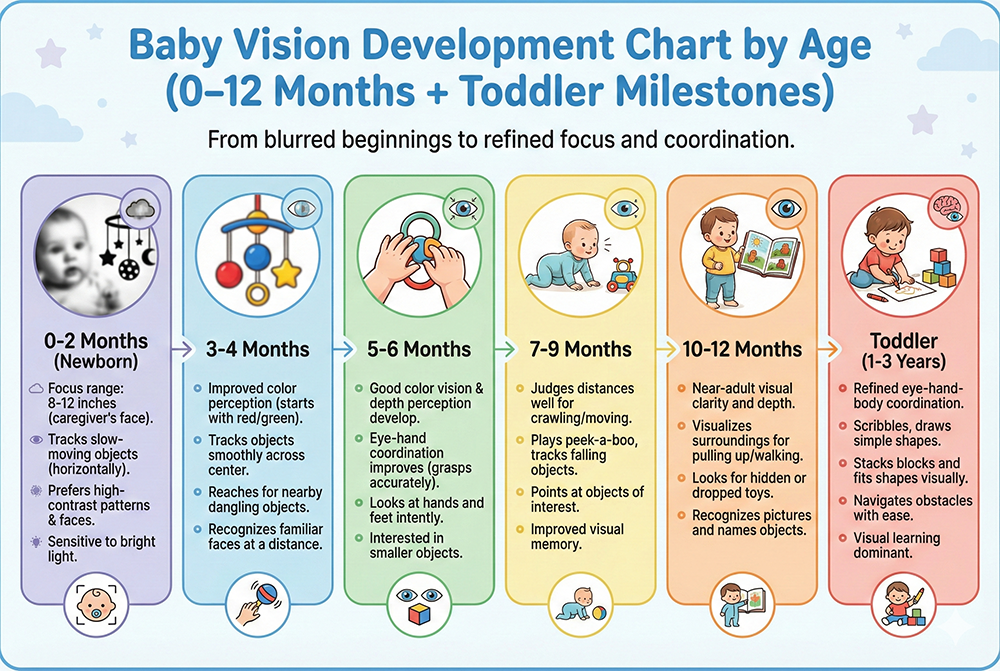
Read More →Track baby vision milestones by month, learn what’s normal, and know when to call the doctor—plus simple activities to support healthy sight.
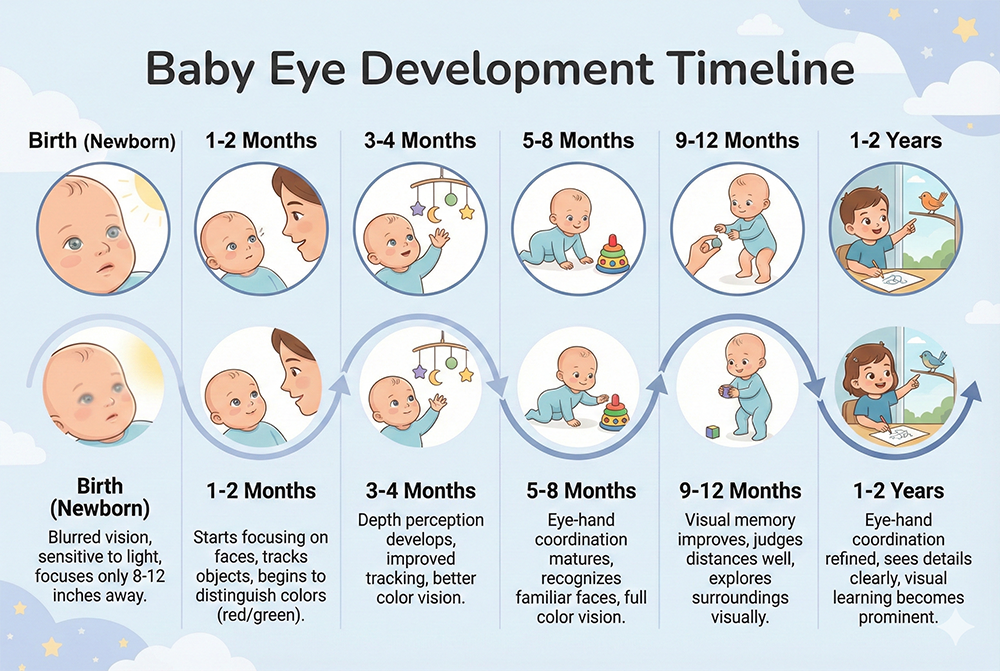
Read More →A baby’s vision develops rapidly during the first year of life. While newborns are not born with perfect eyesight, their visual abilities improve month by month through exposure, brain growth, and environmental interaction. Understanding the baby eye development timeline helps parents recognize what is normal from birth to one year and identify when to seek professional guidance.
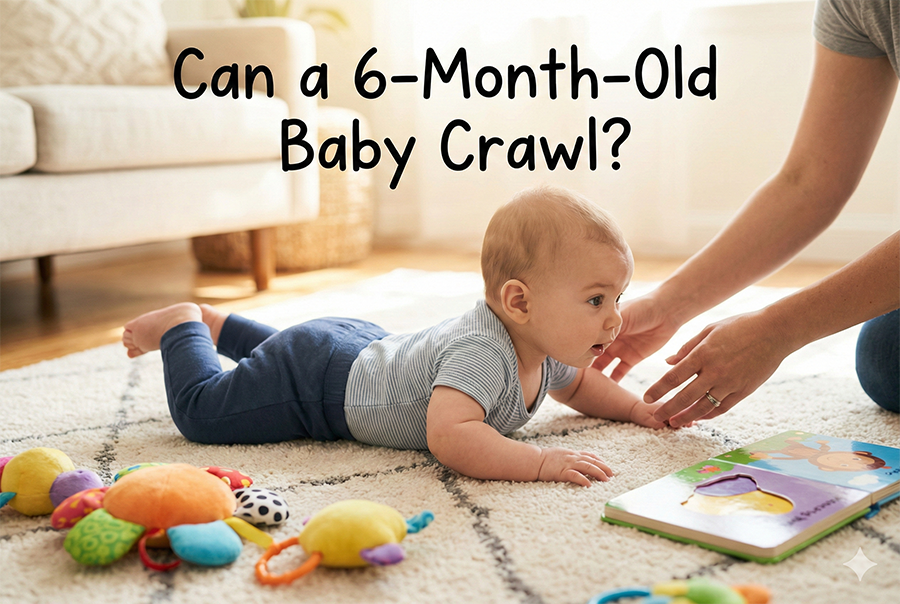
Read More →One of the most common questions parents ask around this stage is: Can a 6-month-old baby crawl? At 6 months, babies make significant progress in motor development, body awareness, and muscle strength. While some babies may show early crawling attempts, most are still in the preparation phase.
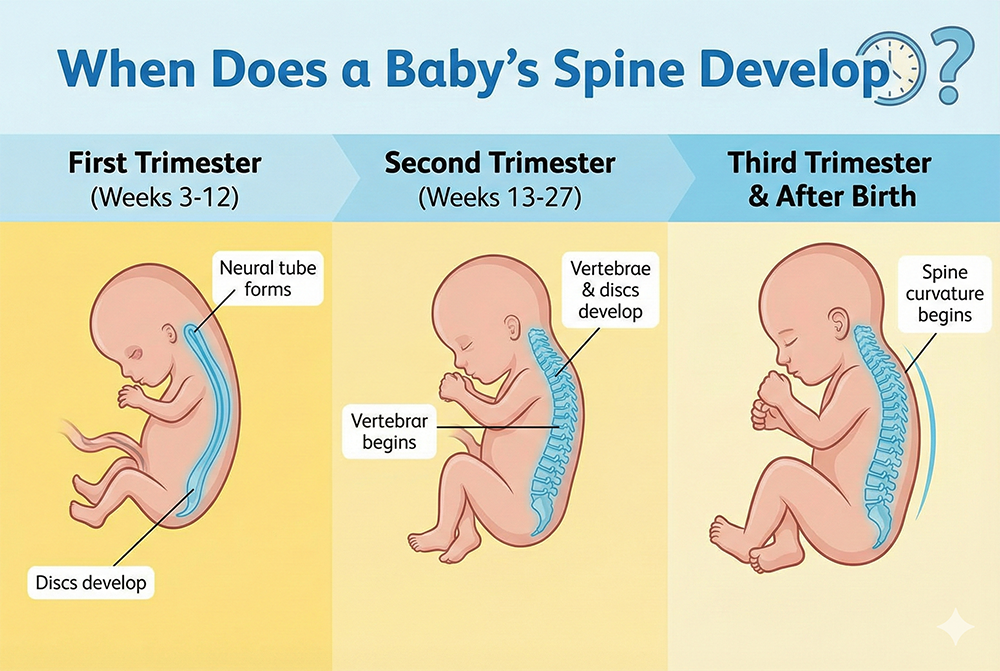
Read More →The spine is one of the most important structures in the human body, supporting posture, protecting the spinal cord, and enabling movement. Many parents ask when does a baby’s spine develop and how early this essential structure begins forming. Spine development starts very early in pregnancy and continues through infancy, childhood, and even adolescence. Understanding the timeline of baby spine development helps parents appreciate how growth unfolds both before and after birth.
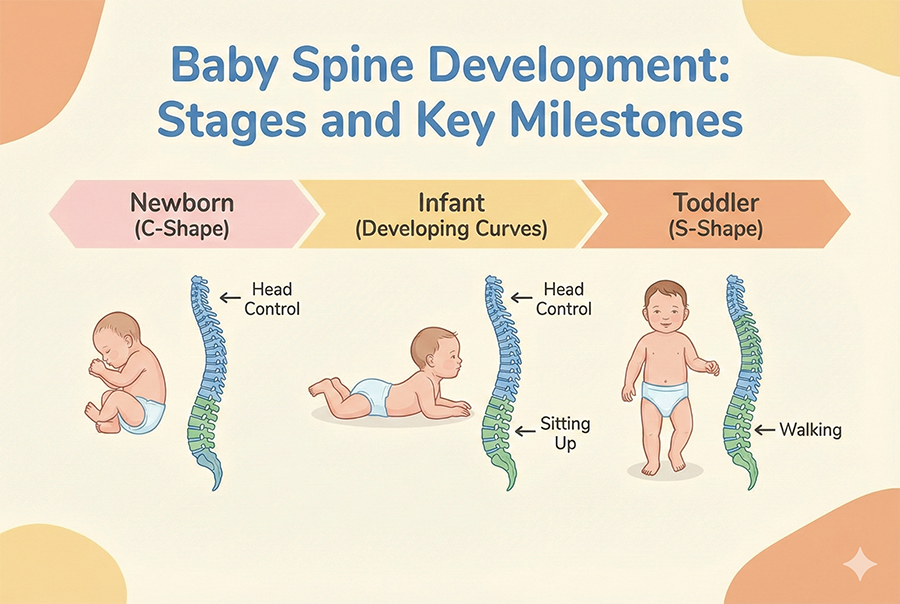
Read More →A baby’s spine plays a vital role in movement, posture, and overall physical development. From the earliest weeks of pregnancy through infancy and toddlerhood, the spine undergoes remarkable transformation. Understanding baby spine development helps parents recognize normal growth patterns and identify important key milestones along the way.
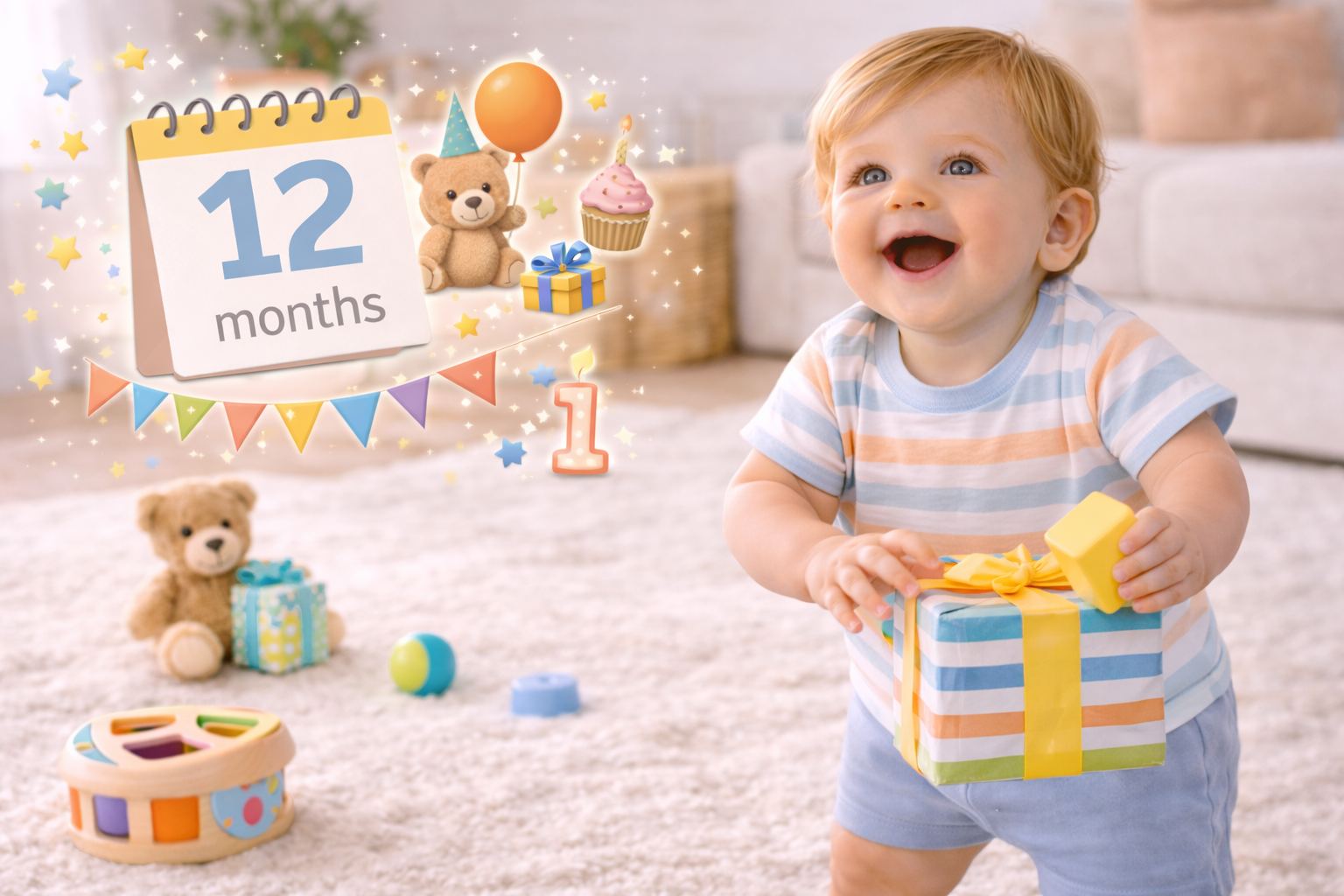
Read More →12-month-old baby development marks a special milestone as your baby reaches one year of age, gains greater independence, and shows major progress in both physical and cognitive skills. During this month, many babies take their first steps, say meaningful words, and develop much stronger social interactions. The 12th month is an exciting and joyful period when a brand-new chapter of development begins.
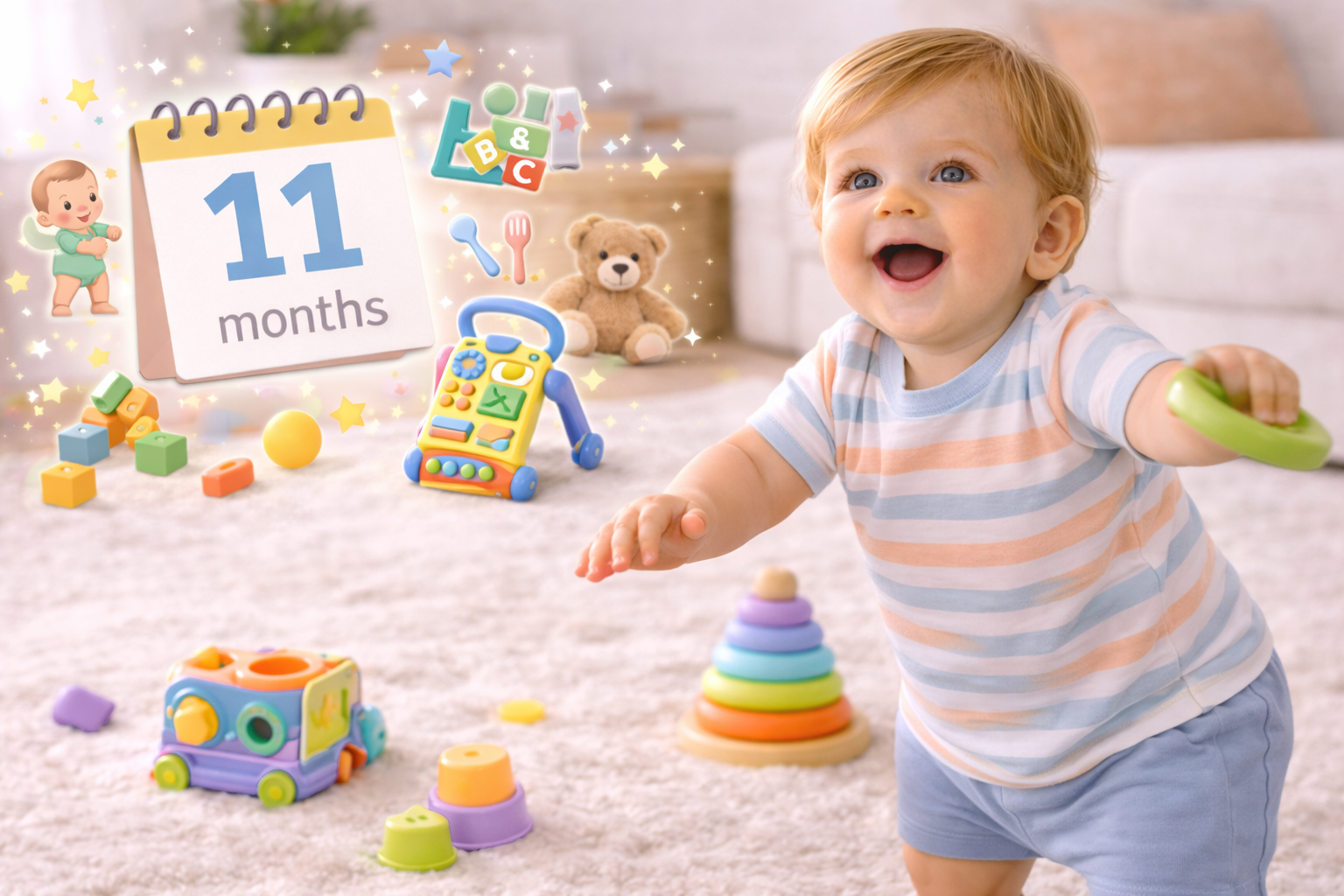
Read More →11-month-old baby development represents a stage where your baby is one step closer to independence, preparing to walk, and rapidly developing cognitive skills. During this month, babies can stand actively, walk with support, produce more meaningful sounds, and show great energy in exploring their surroundings. The 11th month is an exciting period marked by visible progress across all areas of development.
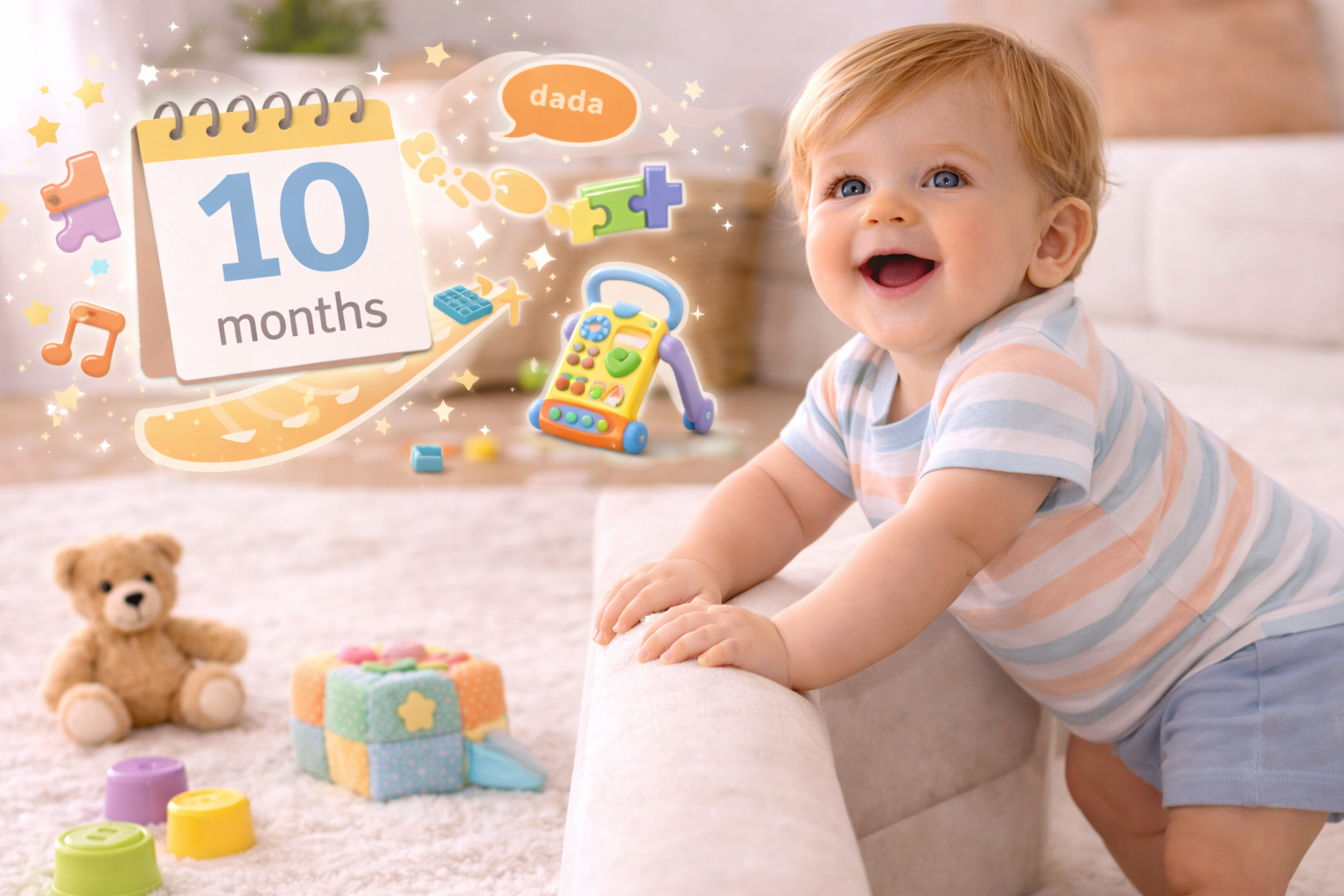
Read More →The 10-month-old baby development stage represents a time when babies become more active, curious, and independent in their movements. During this month, many babies crawl quickly, pull themselves up using furniture, and some even begin attempting their first steps. While cognitive and social development shows visible progress, language skills also become more noticeable.
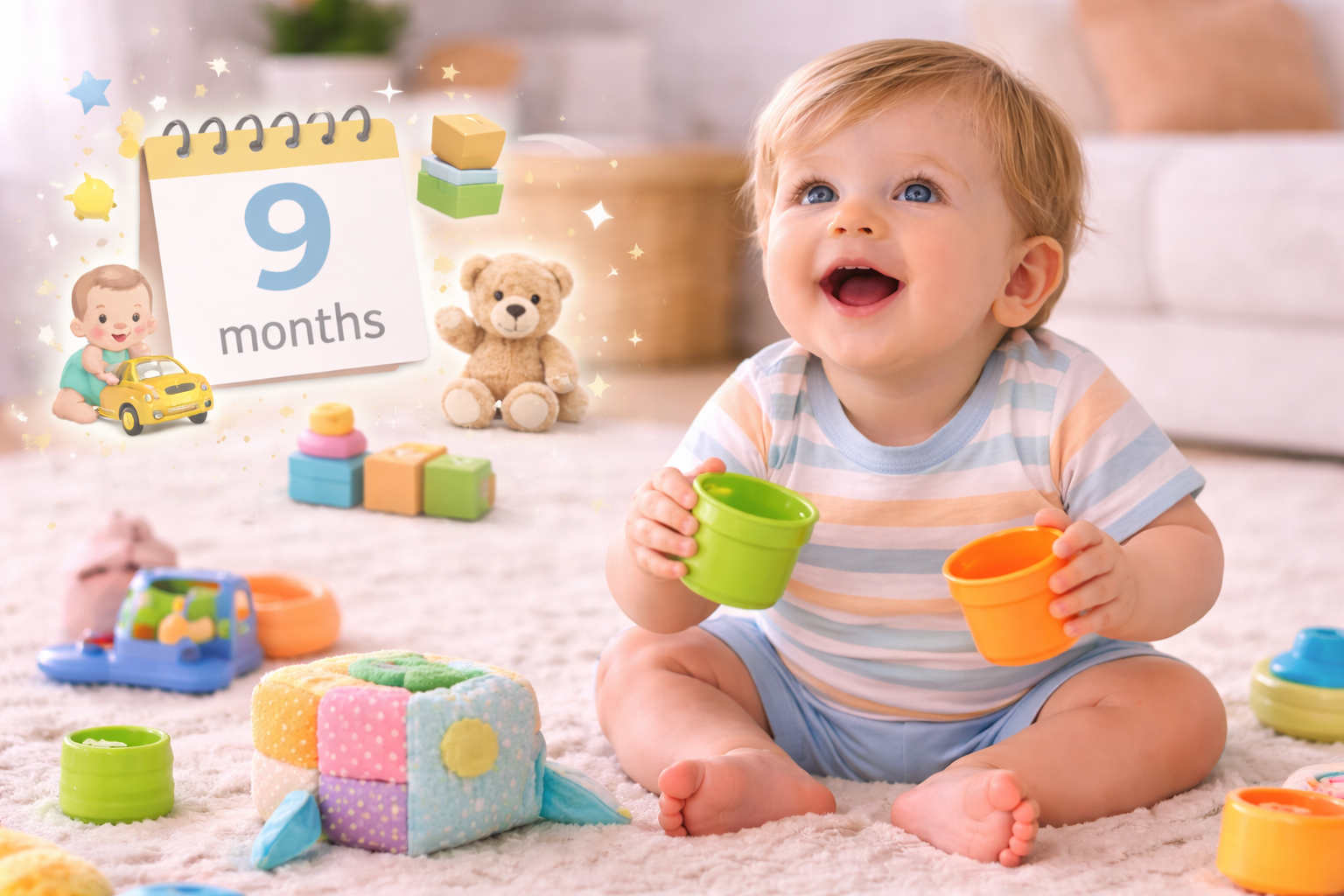
Read More →The 9-month-old baby development stage is a period of rapid progress in physical, cognitive, and social skills. During this month, many babies crawl actively, pull themselves up using furniture, begin understanding simple commands, and respond to their environment more intentionally. Month nine is a joyful time when exploration and learning behaviors reach a peak.
Read More →The 8-month-old baby development stage is a time when babies become more independent in their movements, show increased curiosity, and demonstrate a stronger desire to communicate. During this month, many babies crawl actively, pull themselves up using furniture, and stay in constant interaction with their surroundings. Noticeable progress is seen in language, motor, and social skills.
Read More →