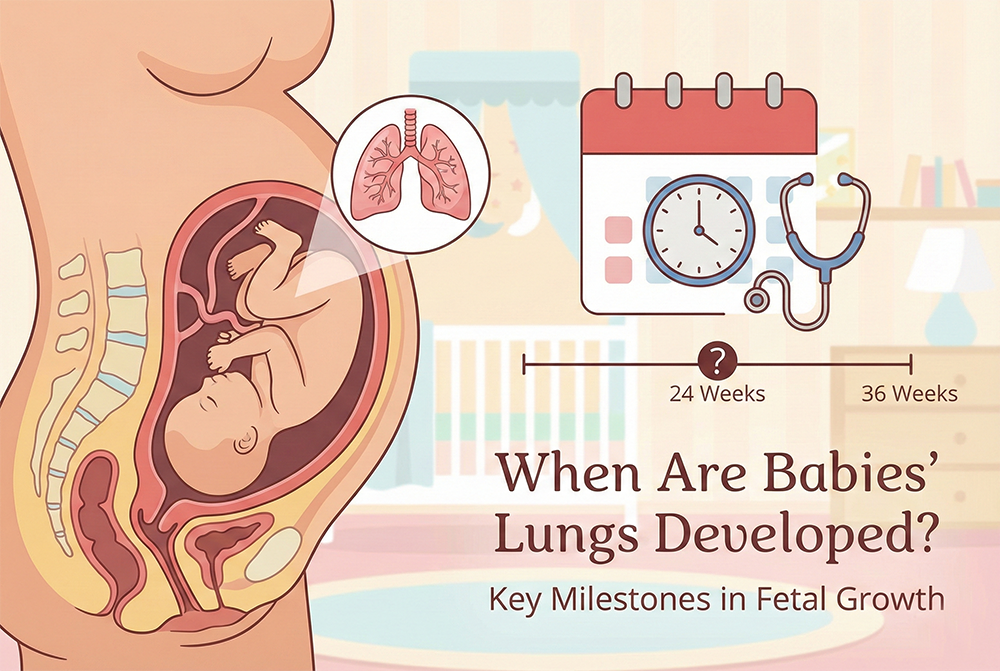
One of the most critical milestones in pregnancy is lung development. Many expectant parents wonder when babies’ lungs are developed and at what point they are strong enough to function outside the womb. The lungs are among the last major organs to fully mature during fetal development, which is why premature birth can present respiratory challenges. Understanding how and when lung development occurs can provide reassurance and clarity during pregnancy.
How Baby Lung Development Begins
Lung development starts surprisingly early in pregnancy. Around 4 weeks of gestation, the primitive lung bud begins forming from the embryonic foregut. Although this structure is far from functional, it marks the beginning of a complex developmental journey.
The Five Stages of Fetal Lung Development
Fetal lung growth occurs in five distinct stages, each critical for preparing the baby to breathe independently after birth.
1. Embryonic Stage (Weeks 4–7)
During this stage, the basic lung structure forms. The trachea and two primary bronchial branches begin developing, laying the groundwork for future airways.
2. Pseudoglandular Stage (Weeks 5–17)
The bronchial tree continues branching into smaller airways. However, no structures capable of gas exchange are present yet, meaning the lungs cannot function outside the womb.
3. Canalicular Stage (Weeks 16–25)
This stage is especially important. The airways widen, blood vessels form, and early alveolar structures begin developing. Around 24 weeks, limited gas exchange may become possible with medical support.
4. Saccular Stage (Weeks 24–36)
Air sacs, or alveoli, begin forming in greater numbers. The production of surfactant—a substance that prevents the air sacs from collapsing—also increases significantly during this time.
5. Alveolar Stage (36 Weeks to Early Childhood)
By 36 to 37 weeks, the lungs are typically mature enough for independent breathing. However, alveoli continue multiplying even after birth, well into early childhood.
When Are Babies’ Lungs Fully Developed?
In most pregnancies, baby lungs are considered sufficiently developed around 36 to 37 weeks of gestation. At this point, surfactant levels are usually adequate, and the lungs can expand properly after delivery.
Why 37 Weeks Is Important
Babies born before 37 weeks are considered preterm. While many late preterm babies do well, earlier delivery increases the risk of breathing difficulties due to incomplete lung maturation.
The Role of Surfactant in Lung Maturity
Surfactant is a crucial substance produced in the lungs that reduces surface tension in the alveoli. Without sufficient surfactant, air sacs collapse, leading to respiratory distress.
Surfactant Production Timeline
Surfactant production begins around 24 weeks but significantly increases between 32 and 36 weeks. This increase is a key marker of lung readiness for birth.
What Happens If a Baby Is Born Early?
If a baby is born prematurely, the lungs may not be fully prepared for breathing air. This can result in Respiratory Distress Syndrome (RDS), particularly in babies born before 34 weeks.
Medical Support for Premature Lungs
- Artificial surfactant therapy
- Oxygen support
- Ventilation assistance
Advances in neonatal care have greatly improved outcomes for premature infants.
Can Doctors Test Lung Maturity Before Birth?
In certain high-risk situations, doctors may assess fetal lung maturity before scheduling early delivery. However, routine testing is less common today due to improvements in obstetric management.
Factors That Influence Lung Development
Several factors can impact how well and how quickly a baby’s lungs mature.
Maternal Health
Conditions such as diabetes or infections may affect fetal development. Proper prenatal care helps minimize risks.
Smoking and Environmental Exposure
Exposure to tobacco smoke during pregnancy can negatively impact lung growth and increase the risk of respiratory problems after birth.
Lung Development Continues After Birth
Even after full-term birth, lung development does not stop. The number of alveoli continues increasing during infancy and early childhood, improving breathing efficiency over time.
Why Understanding Lung Development Matters
Knowing when babies’ lungs are developed helps parents understand the importance of reaching full term whenever possible. While medical advances support premature infants, the final weeks of pregnancy play a crucial role in preparing the lungs for life outside the womb.