
Fingerprints are one of the most fascinating features of human development, as no two individuals share the same pattern—not even identical twins. This naturally leads many parents to wonder when babies develop fingerprints and whether these unique patterns are present at birth. Fingerprint formation begins much earlier than most people expect and is closely tied to prenatal development in the womb.
What Are Fingerprints?
Fingerprints are the unique patterns of ridges and grooves found on the tips of the fingers. These ridges, known as dermal ridges, help improve grip and tactile sensitivity. While fingerprints are commonly associated with identity and security later in life, their formation plays an important biological role from the earliest stages of development.
Why Fingerprints Are Unique
The uniqueness of fingerprints comes from a complex interaction of genetics and environmental factors inside the womb. Even though genes determine general patterns, subtle variations in amniotic fluid pressure, blood flow, and fetal movement shape the final ridge design.
When Do Babies Develop Fingerprints?
Babies begin developing fingerprints during the first trimester of pregnancy. In most cases, fingerprint formation starts around 10 to 13 weeks of gestation. By the end of the second trimester, these patterns are fully formed and permanent.
Key Stages of Fingerprint Development
- 6–8 weeks of pregnancy: Early skin layers begin forming
- 10–13 weeks: Dermal ridges start to appear
- 17–19 weeks: Fingerprint patterns become permanent
- 24 weeks and beyond: Fingerprints are fully developed
Are Fingerprints Present at Birth?
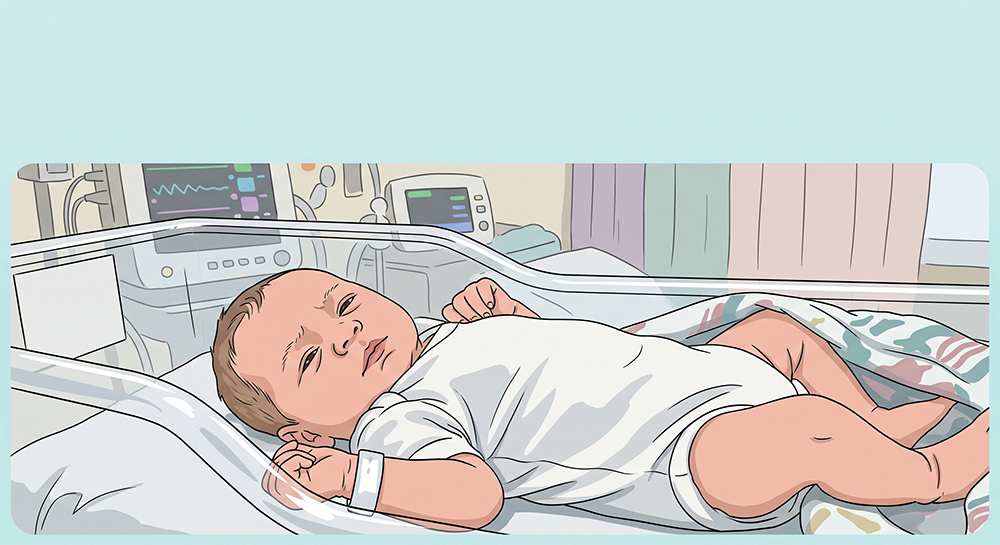
Yes, babies are born with fully formed fingerprints. Although infant fingers are tiny and the ridges may appear faint, the fingerprint pattern itself is already permanent and will not change throughout life.
Why Baby Fingerprints Look Faint
Newborn skin is softer and more delicate than adult skin. As babies grow and their skin thickens, fingerprints become more pronounced, but the underlying pattern remains exactly the same.
Do Fingerprints Change as Babies Grow?
Fingerprints do not change in pattern, but they do grow in size as the finger grows. This means the ridges stretch proportionally, maintaining the same unique design over time.
Growth vs. Pattern Stability
While the spacing between ridges increases with growth, the arrangement of loops, whorls, and arches stays consistent from before birth through adulthood.
What Influences Fingerprint Formation in the Womb?
Fingerprint development is influenced by both genetic and environmental factors. While DNA sets the basic framework, conditions inside the uterus fine-tune the final outcome.
Genetic Factors
Genetics influence the general fingerprint pattern type, such as loops or whorls. Family members may share similar pattern styles, but not identical prints.
Environmental Factors
Minor differences in amniotic fluid levels, fetal movement, and pressure on the fingertips all contribute to the final ridge arrangement. These micro-variations explain why even twins have different fingerprints.
Can Fingerprints Be Used for Baby Identification?
Technically, fingerprints can be captured at birth, but they are not commonly used for official identification due to the difficulty of obtaining clear prints from tiny fingers. As children grow, fingerprint clarity improves, making identification more reliable.
Medical and Security Uses
In some hospitals and research settings, infant fingerprints may be recorded for identification or medical tracking purposes. However, footprints are more commonly used in newborn records.
Fingerprints and Overall Development
Fingerprint formation is part of a broader process of skin and nervous system development. The presence of fingerprints reflects healthy fetal growth and proper formation of the skin’s structural layers.
Fingerprints and Sensory Function
The ridged structure of fingerprints enhances tactile sensitivity, allowing babies to better explore their environment through touch as they grow.
Interesting Facts About Baby Fingerprints
- No two fingerprints are the same, even among identical twins
- Fingerprints are formed before birth and remain for life
- Skin injuries do not change fingerprint patterns unless very deep
- Fingerprints grow but never change shape
Why Understanding Fingerprint Development Matters
Knowing when babies develop fingerprints offers a fascinating glimpse into prenatal development. It highlights how early individuality begins and how intricate human development truly is, long before a baby takes their first breath.