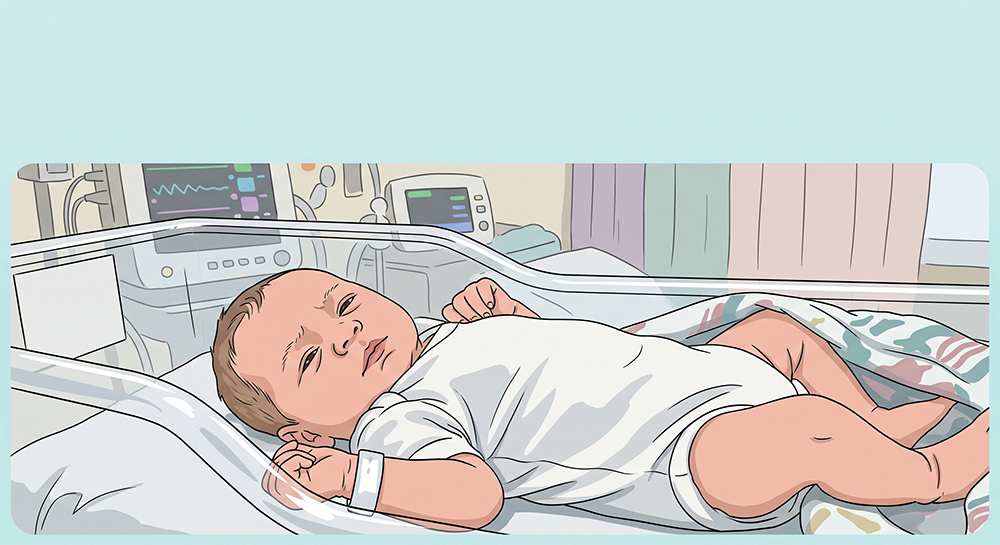

New parents are often surprised to learn that newborn babies can cry loudly without producing visible tears. This leads to a very common and completely natural question: when do babies develop tears? Understanding how a baby’s tear production develops helps parents distinguish between normal infant behavior and potential eye health concerns. Tear development is closely linked to the maturation of the lacrimal (tear) system, which continues to evolve after birth.
Do Newborn Babies Cry Without Tears?
Yes, most newborns cry without visible tears. Although they may appear red-faced and vocal during crying episodes, actual tear production is usually minimal or absent in the early weeks of life. This is considered entirely normal and does not indicate dehydration or emotional distress.
Why Newborns Don’t Produce Tears Right Away
At birth, a baby’s tear glands (lacrimal glands) are not yet fully mature. While the glands are present, they primarily produce a small amount of basal moisture that keeps the eyes lubricated rather than emotional tears that overflow onto the cheeks.
When Do Babies Start Producing Tears?
Most babies begin to develop visible tears between 2 weeks and 3 months of age. For some infants, tears may appear as early as the second week, while others may not produce noticeable tears until closer to the third month. This variation is completely normal and depends on individual development.
Typical Timeline of Tear Development
- Birth to 2 weeks: Crying without tears is common
- 2–8 weeks: Small amounts of tears may begin to appear
- 2–3 months: Most babies produce visible tears regularly
How the Tear System Develops in Babies
The tear system includes the lacrimal glands, tear ducts, and drainage pathways. While these structures exist at birth, coordination and tear volume improve as the nervous system and glands mature.
The Role of Lacrimal Glands
Lacrimal glands are responsible for producing tears. In newborns, these glands focus on maintaining eye moisture rather than responding to emotional stimuli. As babies grow, the glands increase tear production, especially during crying.
Tear Duct Maturation
Tear ducts help drain excess fluid from the eyes into the nasal cavity. In many infants, tear ducts may be partially blocked early on, which can affect how tears appear. As ducts open fully, tears become more visible.
Is It Normal If My Baby Still Has No Tears?
If a baby is otherwise healthy, feeding well, and gaining weight, the absence of visible tears in the first few months is usually not a concern. However, by around 3 to 4 months, most babies should show some tear production when crying.
When to Monitor More Closely
You may want to consult a healthcare professional if your baby:
- Has no tears after 4–5 months
- Shows signs of dry, irritated eyes
- Has persistent eye redness or discharge
Blocked Tear Ducts and Tear Appearance
Some babies develop tears but seem to have watery eyes or discharge instead. This can be caused by a blocked tear duct, a common and usually harmless condition in infants.
Signs of a Blocked Tear Duct
- Constant tearing even when not crying
- Yellow or white discharge
- Crusting around the eyelids
In most cases, blocked tear ducts resolve on their own by the time the baby is one year old.
Do Tears Mean Emotional Development?
While tears are often associated with emotions, early tear production is more about physical development than emotional maturity. Babies cry to communicate needs such as hunger, discomfort, or tiredness, regardless of whether tears are present.
Crying vs. Emotional Expression
Emotional tears, as adults experience them, are linked to complex emotional processing. In infants, crying is primarily a reflexive and communicative behavior rather than an emotional response in the adult sense.
Can Dehydration Affect Tear Production?
Mild variations in hydration do not typically affect tear production in young babies. True dehydration severe enough to stop tear production would usually come with other warning signs such as decreased urination, lethargy, or poor feeding.
Supporting Healthy Eye Development
Parents can support eye health by keeping the eye area clean, monitoring for signs of infection, and attending regular pediatric checkups. There is no need to stimulate tear production artificially, as development occurs naturally over time.
Simple Eye Care Tips for Babies
- Clean eyes gently with a warm, damp cloth
- Avoid touching eyes unnecessarily
- Seek medical advice if discharge persists
Understanding Normal Development Brings Peace of Mind
Knowing when babies develop tears helps reduce anxiety and allows parents to focus on overall growth and bonding. Tear production is just one small part of a baby’s complex developmental journey, and variation within the first few months is completely normal.