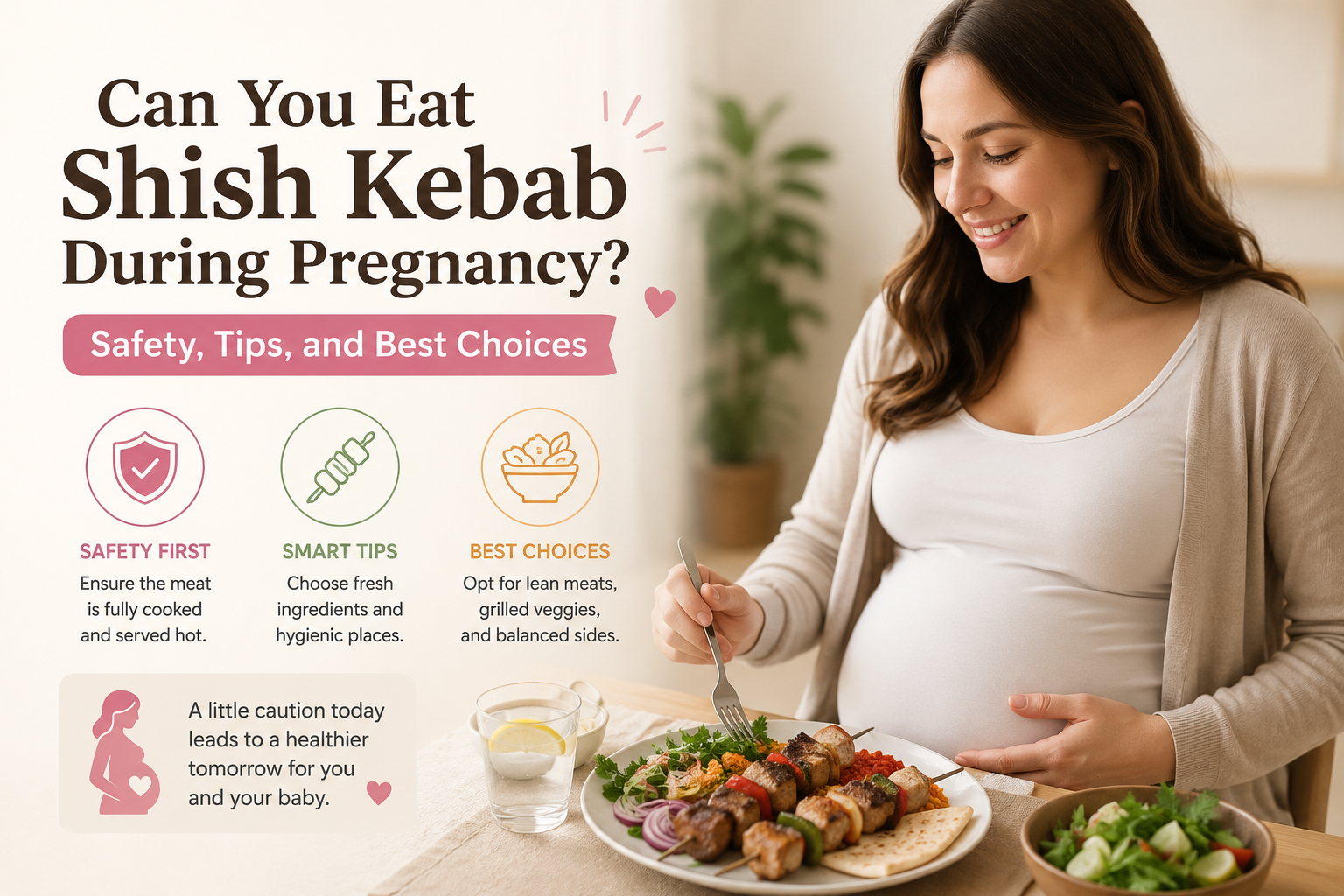
Is roasted meat safe during pregnancy?
In most cases, yes—you can eat roasted meat during pregnancy, as long as it is cooked thoroughly, handled safely, and served at safe temperatures. Roasted meat can be a nutritious source of protein, iron, zinc, and B vitamins—nutrients that support your baby’s growth and your own energy and blood supply.
The main reason roasted meat gets complicated in pregnancy isn’t the roasting itself—it’s the risk of foodborne illness if meat is undercooked, stored improperly, or cross-contaminated. Pregnancy slightly lowers immune defenses, which makes infections like listeriosis, toxoplasmosis, and salmonellosis more serious for both parent and baby.
The good news: with a few careful steps, roasted meat can be a safe and satisfying part of a healthy pregnancy diet.
Why food safety matters more in pregnancy
During pregnancy, your immune system adapts to support the developing baby. This natural change can make you more vulnerable to certain pathogens and can increase the chances of severe illness. Some infections can also cross the placenta and affect the fetus.
Key pregnancy-related foodborne risks
- Listeria monocytogenes: Can grow even in the refrigerator. Infection may cause miscarriage, stillbirth, or severe newborn illness. Higher risk with unpasteurized dairy, deli meats not reheated, and improperly stored ready-to-eat foods.
- Toxoplasma gondii: Often linked to undercooked meat (especially lamb, pork, and venison) or contaminated soil. Can cause serious fetal complications if contracted for the first time in pregnancy.
- Salmonella, Campylobacter, E. coli: Commonly linked to undercooked poultry, ground meats, and cross-contamination. Can cause dehydration, fever, and complications.
Roasting can be very safe when done correctly because it uses steady heat that can fully cook meat. The goal is to reach a safe internal temperature and keep meat out of the “danger zone” temperature range where bacteria multiply rapidly.
The biggest safety rule: Cook roasted meat to safe internal temperatures
Appearance alone (color, juices, texture) is not a reliable safety test. The most evidence-based approach is using a food thermometer to confirm the thickest part of the meat has reached a safe temperature.
Pregnancy-safe minimum internal temperatures
Use these widely accepted food safety targets:
- Poultry (chicken, turkey, duck): 165°F / 74°C
- Ground meats (beef, pork, lamb) and sausages: 160°F / 71°C
- Whole cuts of beef, pork, lamb, veal (steaks/roasts): 145°F / 63°C plus a 3-minute rest (the temperature stays elevated and continues killing germs during rest)
- Fish (if roasting): 145°F / 63°C or until flesh is opaque and flakes easily
Important note: Some pregnancy guidance is extra cautious and recommends avoiding rare or medium-rare meats. If you want the lowest-risk choice, opt for well-done cuts and always verify temperature.
Which roasted meats are OK during pregnancy?
Most roasted meats are fine when properly cooked and stored. Here’s how common options stack up.
Roast chicken or turkey
Generally a great option in pregnancy. Poultry must be fully cooked to 165°F/74°C. Be extra careful with whole birds because the thickest parts (thighs, deep breast area near the bone) can cook unevenly.
Roast beef
Roast beef can be safe if cooked to at least 145°F/63°C and rested for 3 minutes, but many pregnancy experts recommend avoiding rare roast beef. If you’re ordering out, ask for well-done and avoid meat that is cool in the center.
Roast pork
Pork is safe when fully cooked. Because undercooked pork has historically been associated with parasites (rare in many places now but still a concern), many people choose to cook pork roasts beyond the minimum. Use a thermometer for confidence.
Roast lamb
Lamb is nutrient-dense, but undercooked lamb can carry toxoplasma. In pregnancy, it’s safest to eat lamb well-cooked and always confirm internal temperature.
Roast venison or game meats
Game meat safety depends on sourcing and handling. It may carry higher risk of parasites or contamination during field dressing. If you choose game meat during pregnancy, ensure it’s from a reliable source and cooked thoroughly. When in doubt, skip it.
What about “roast meat” from the deli or sandwiches?
This is an area where wording can get confusing. Home-roasted meat that you cook and serve hot is typically safe when cooked to temperature. But deli roast beef or cold sliced roast meats (from the deli counter or packaged) carry a different concern: listeria, which can contaminate ready-to-eat foods after cooking.
Safer ways to eat deli-style roasted meats in pregnancy
- Heat until steaming hot (at least 165°F/74°C if you’re measuring), then let it cool slightly before eating.
- Choose freshly cooked meat over long-stored sliced meat when possible.
- Keep refrigerator temperature at 40°F / 4°C or below.
- Follow “use by” dates and avoid meats that have been open for several days.
If you’re craving a roast beef sandwich, a practical option is to make it at home with freshly roasted meat, then eat it warm—or chill it quickly and consume it within a short timeframe following safe storage practices.
How to roast meat safely at home (step-by-step)
These practical steps reduce the risk of foodborne illness while keeping your meal flavorful.
1) Start with safe buying and thawing
- Buy meat from reputable sources and check the sell-by/use-by date.
- Keep raw meat separate from other groceries in your cart and bag.
- Thaw in the refrigerator, not on the counter. If you need faster thawing, use the microwave and cook immediately after.
2) Prevent cross-contamination
- Use a separate cutting board for raw meat.
- Wash hands with soap and water for at least 20 seconds after handling raw meat.
- Wash knives, boards, and counters with hot, soapy water after contact with raw meat.
- Never place cooked meat back on a plate that held raw meat unless it’s been washed.
3) Cook evenly and verify with a thermometer
- Preheat the oven fully.
- Insert the thermometer into the thickest part of the meat, avoiding bone and fat pockets.
- For whole poultry, check both breast and thigh areas.
- Allow the meat to rest after cooking (especially for whole cuts), which also helps safety and juiciness.
4) Serve and store safely
- Don’t leave cooked meat at room temperature for more than 2 hours (or 1 hour if the environment is hot).
- Refrigerate leftovers promptly in shallow containers for quicker cooling.
- Reheat leftovers to 165°F / 74°C until steaming hot.
Nutritional benefits of roasted meat during pregnancy
When prepared safely, roasted meat can be a valuable part of pregnancy nutrition.
Key nutrients and why they matter
- Protein: Supports baby’s growth, placenta development, and maternal tissue changes.
- Iron (heme iron): Helps prevent iron-deficiency anemia and supports oxygen delivery. Many pregnant people need more iron than usual.
- Zinc: Supports immune function, wound healing, and fetal growth.
- Vitamin B12: Important for red blood cell formation and neurological development.
- Choline (especially in meats and eggs): Supports fetal brain and spinal cord development.
Tip: Pair iron-rich roasted meat with vitamin C foods (like bell peppers, oranges, tomatoes, or strawberries) to support iron absorption. If you’re dealing with heartburn, choose gentler vitamin C sources (like melon or cooked tomatoes) and smaller portions.
Potential downsides and how to minimize them
Even when safe, roasted meat may come with concerns such as high saturated fat, sodium, or digestive discomfort—especially later in pregnancy.
High fat cuts and heartburn
Rich or fatty roasts can worsen nausea or reflux. Consider leaner cuts, trimming visible fat, and choosing gentler seasonings.
Excess sodium in seasoned or processed roasts
Pre-marinated meats, seasoned deli roasts, and gravy-heavy meals can be very salty. If you’re managing swelling or blood pressure, choose home-prepared roasts and season with herbs, garlic, lemon, or mild spices instead of heavy salt.
Over-charring and “burnt” bits
Very high-heat cooking and charring can increase compounds that aren’t ideal for long-term health. You don’t need to panic over occasional browned edges, but it’s wise to avoid heavily charred or burnt portions. Roast at moderate temperatures and remove overly blackened bits.
Restaurant and holiday meals: how to enjoy roast safely
Roast dinners are common at holidays and family gatherings. You can absolutely participate—just use a few safety strategies.
Practical ordering and serving tips
- Request meat cooked well-done when eating out.
- Avoid buffet meats that may have sat lukewarm for extended periods.
- Choose dishes served piping hot, and skip anything that seems undercooked or cool in the center.
- Be cautious with gravies or sauces made from drippings if they haven’t been brought to a full simmer.
If you’re unsure how something was prepared, it’s okay to prioritize peace of mind and choose a different option.
Special considerations: toxoplasmosis and home kitchens
Toxoplasmosis risk can come from undercooked meat and also from environmental exposure. While the article focus is roasted meat, a few kitchen habits are worth reinforcing.
Extra-protective habits
- Cook whole cuts thoroughly if you want the lowest-risk approach, particularly lamb and pork.
- Wash hands after handling raw meat.
- Wash fruits and vegetables well (toxoplasma can be present in soil).
- If gardening, wear gloves and wash hands afterward.
How much roasted meat should you eat during pregnancy?
There’s no single perfect amount for everyone. Your needs depend on your appetite, nausea, anemia risk, dietary preferences, and any medical conditions (like gestational diabetes or kidney disease). In general, pregnancy nutrition guidance emphasizes balanced protein intake spread through the day.
Simple portion and balance tips
- Build meals with a palm-sized portion of roasted meat, plus vegetables and a fiber-rich carbohydrate (like brown rice, potatoes, or whole grains) if tolerated.
- Include a variety of protein sources across the week: poultry, eggs, beans, lentils, yogurt (pasteurized), fish low in mercury, tofu, and nuts.
- If you’ve been advised to increase iron, incorporate iron-rich foods and discuss whether you need supplementation with your prenatal care provider.
When to avoid roasted meat or call your healthcare provider
Roasted meat is generally safe when cooked properly, but there are situations where caution is warranted.
Avoid eating the meat if:
- It is undercooked (pink/raw in the center for poultry or ground meats; cool center for roasts without verified temperature).
- It has been left at room temperature for a long time.
- You suspect cross-contamination occurred (for example, cooked slices placed back on a raw-meat plate).
- It has an off smell, slimy texture, or you’re unsure of storage time.
Contact your provider urgently if you develop:
- Fever (especially with flu-like symptoms)
- Persistent vomiting or diarrhea causing dehydration
- Severe abdominal pain
- Symptoms after eating a high-risk food (especially deli meats or foods recalled for listeria)
Most foodborne illnesses are mild, but in pregnancy it’s always appropriate to ask for guidance quickly—treatment can reduce risks for you and your baby.
Pregnancy-safe ways to make roasted meat more enjoyable
Pregnancy symptoms can change how foods taste and feel. These ideas can help you keep roasted meat appealing and gentle on your stomach.
If nausea is an issue
- Choose mild seasonings (salt, pepper, rosemary) and skip heavy grease.
- Try cooler servings (properly cooked, quickly chilled, and stored safely) if hot aromas trigger nausea.
- Pair with bland sides (rice, toast, potatoes) and small portions.
If constipation is an issue
- Pair meat with fiber-rich foods: roasted vegetables, beans, lentils, oats, or whole grains.
- Stay hydrated and include gentle movement if approved by your provider.
If heartburn is an issue
- Choose lean cuts and avoid spicy rubs and acidic sauces.
- Eat smaller portions and avoid lying down right after dinner.
Bottom line: Can you eat roasted meat during pregnancy?
Yes—roasted meat can be safe and healthy during pregnancy when it is cooked to the right internal temperature, handled hygienically, and stored and reheated safely. The biggest risks come from undercooking, deli-style cold meats that may carry listeria, and cross-contamination in the kitchen.
If you want the simplest “best practice” approach: choose fresh, well-cooked roasted meat, use a thermometer, eat it hot, refrigerate leftovers promptly, and reheat until steaming. If you have any pregnancy complications or dietary restrictions, your prenatal care team can help you tailor choices to your needs.