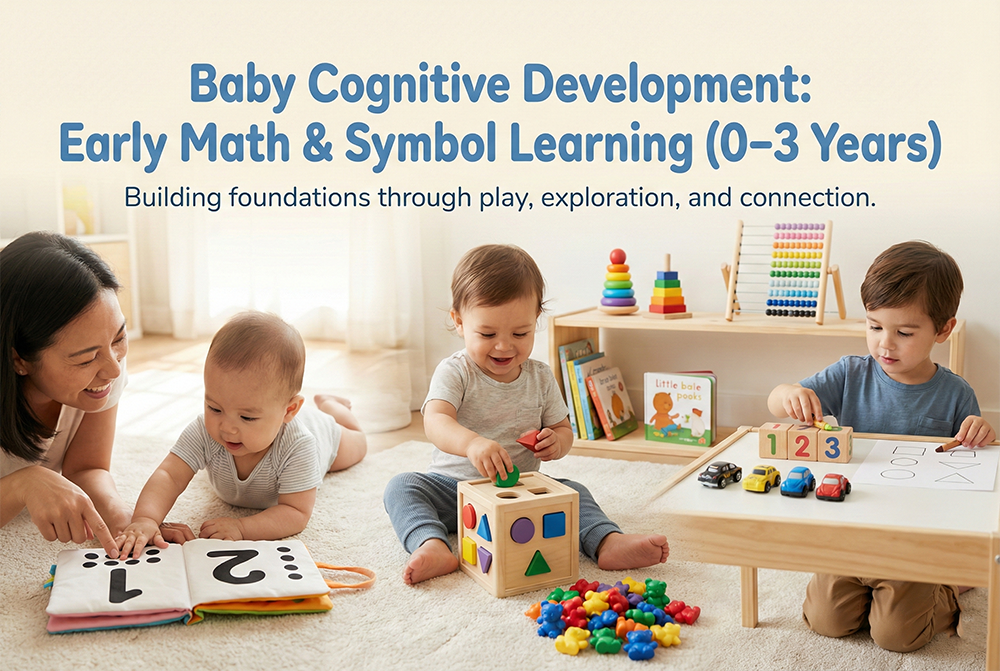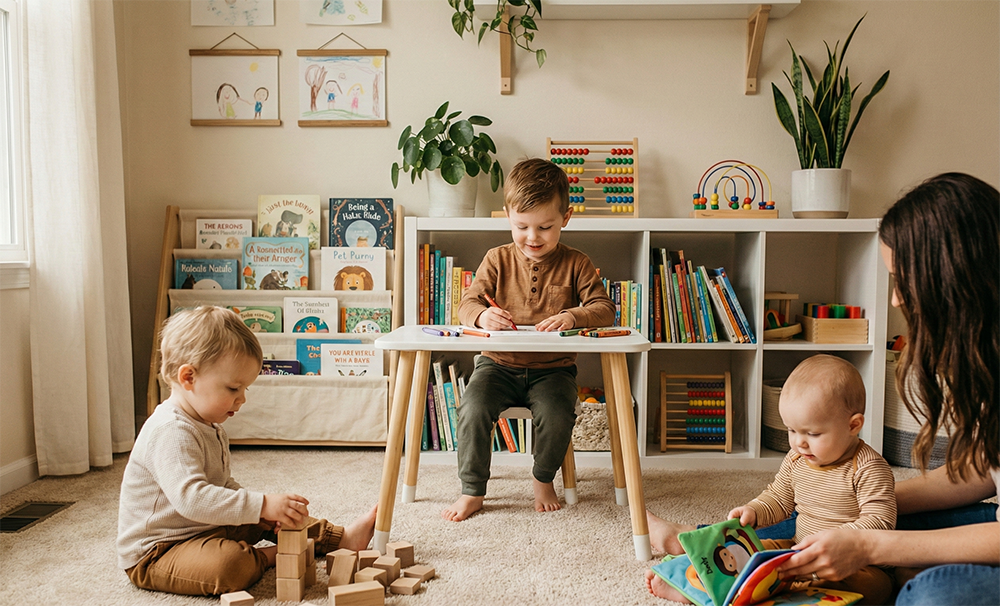
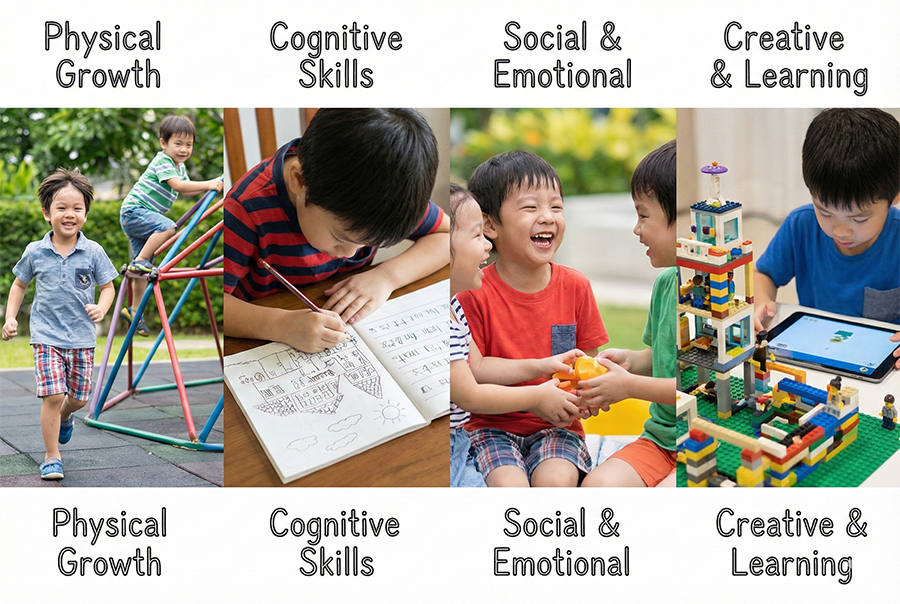
Age 5 is a stage of remarkable growth in a boy’s physical, cognitive, social, and emotional development. This is one of the most active, curious, and learning-focused periods of the preschool years. A 5-year-old boy can express himself more clearly, communicate actively with others, and demonstrate significantly improved play skills. In this comprehensive guide, you will find key developmental milestones, behavioral characteristics, and practical parenting tips to support healthy growth.
Physical Development in a 5-Year-Old Boy
Physical growth continues steadily at this age. Muscle coordination improves, motor skills become stronger, and children gain greater independence in movement. Five-year-old boys typically have high energy levels and enjoy expressing themselves through physical activity.
Motor Skill Development
- Can balance on one foot for several seconds.
- Runs faster, jumps confidently, and completes simple obstacle courses.
- Uses scissors, draws basic shapes, and holds a pencil with better control.
- Shows increased interest in riding a bike or scooter.
Fine motor skills also improve significantly. A 5-year-old boy can build more complex block structures, cut shapes, and may show early interest in writing activities.
Cognitive Development in a 5-Year-Old Boy
Age five is a period of rapid cognitive advancement. Children can concentrate for longer periods, understand cause-and-effect relationships, and actively use problem-solving skills.
Language and Communication Skills
- May have an active vocabulary of 2,000–2,500 words.
- Forms sentences with 5–6 words or more.
- Frequently asks “why,” “how,” and “when” questions.
- Can tell short stories and sequence events logically.
Daily conversations, reading together, and asking open-ended questions strongly support language development at this age.
Problem-Solving and Logical Thinking
- Recognizes colors, numbers, and basic shapes easily.
- Can usually count to 5, and some children can count to 10 or higher.
- Completes simple puzzles and building tasks independently.
- Applies previously learned knowledge to new situations.
Providing opportunities for exploration and hands-on learning is especially beneficial during this stage.
Social and Emotional Development in a 5-Year-Old Boy
Age five marks a period of expanding social relationships and improved emotional regulation. Children enjoy group play and begin forming stronger friendships.
Social Development Milestones
- Understands sharing and taking turns more clearly.
- Forms closer bonds with specific friends.
- May seek leadership roles during play.
- Participates comfortably in group activities.
Positive parental modeling plays an important role in shaping social skills.
Emotional Awareness
- Expresses emotions more clearly.
- Has increased frustration tolerance, though occasional outbursts may still occur.
- May be sensitive to criticism or rejection.
- Still needs parental approval and reassurance.
Empathy develops more rapidly during this period. Helping children name and understand emotions strengthens emotional intelligence.
Play and Activity Skills
Play remains the most important learning tool at age five. Boys in this age group enjoy more complex games and have vivid imaginations.
Recommended Activities
- Simple sports activities (running, soccer, balance games)
- Building complex structures with blocks or LEGO
- Drawing, coloring, and cutting exercises
- Storytelling and role-playing games
- Small daily responsibilities with 3–4 step instructions
Encouraging imaginative play significantly supports cognitive and creative development.
Behavioral Characteristics at Age 5
Five-year-olds understand rules more clearly, though they may still struggle with impulse control.
- Highly curious and constantly asking questions.
- High energy levels and strong need for movement.
- May touch others’ belongings without permission as sharing skills continue developing.
- Sometimes tells exaggerated or imaginative stories (a normal part of creativity).
Consistent boundaries and positive discipline are the most effective approaches at this stage.
Parenting Tips to Support a 5-Year-Old Boy
- Establish a daily reading routine.
- Create opportunities for active outdoor play.
- Assign age-appropriate responsibilities (cleaning up toys, helping set the table).
- Limit screen time and monitor content carefully.
- Help him label and understand emotions.
- Praise achievements and guide gently after mistakes.
Important Notes for Parents
Age five is a powerful stage of discovery, independence, and emotional growth. Providing a safe learning environment, supporting curiosity, and encouraging emotional expression greatly strengthen development. Remember that every child develops at a unique pace. Focus on supporting your child’s individual journey rather than comparing them to others.