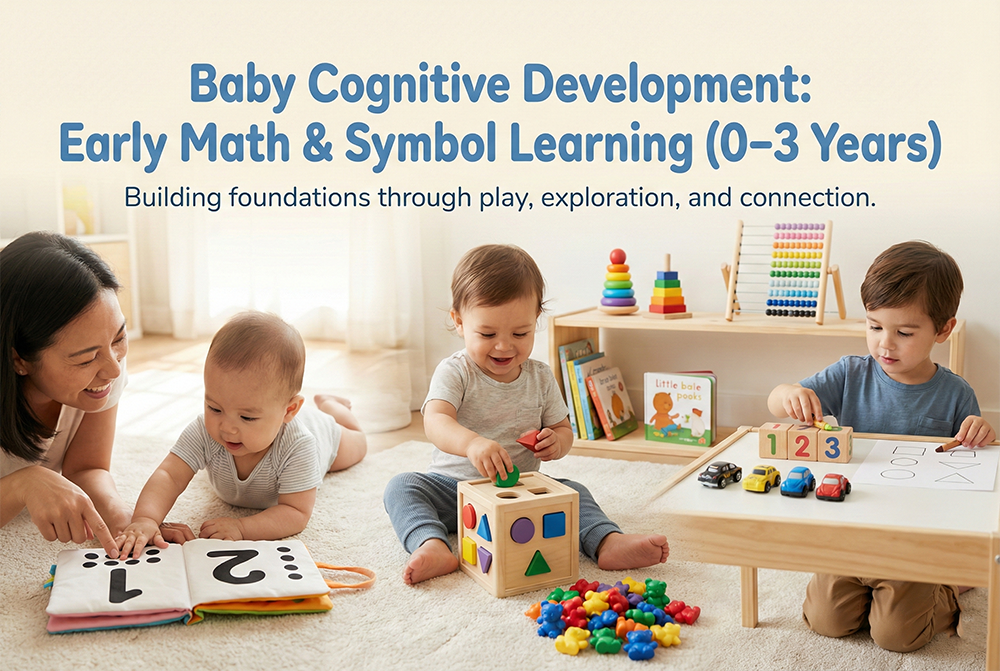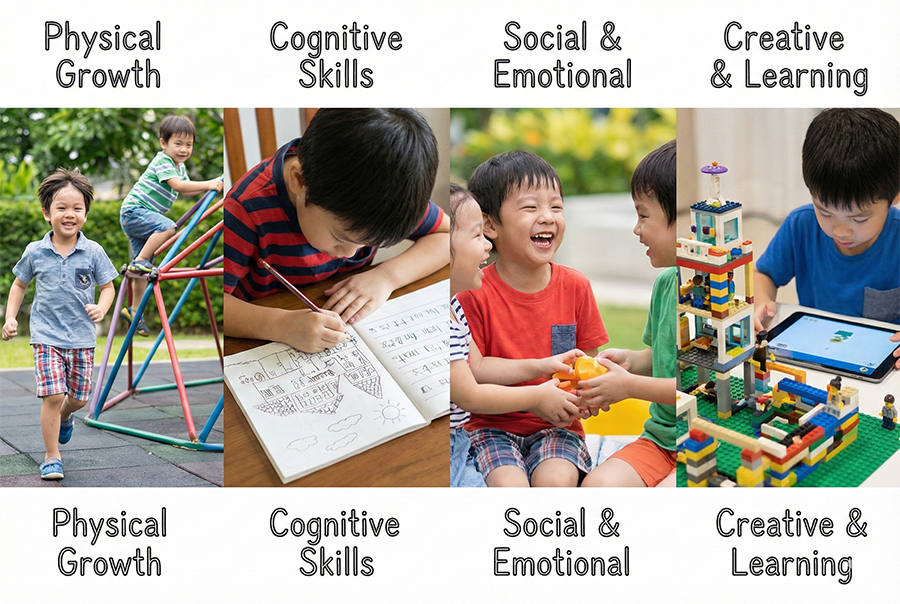
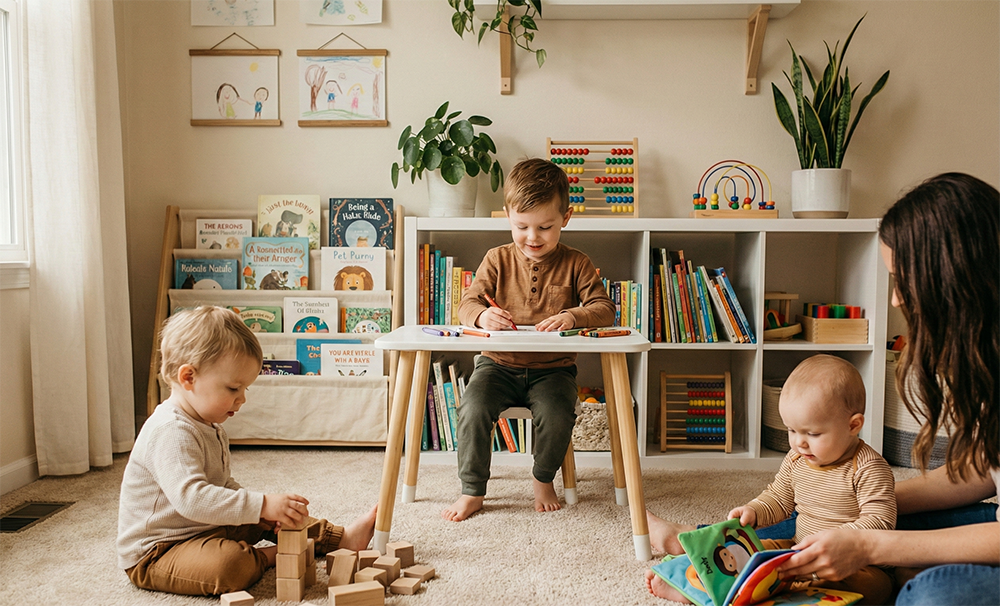
Child development is the combination of physical, cognitive, social, and emotional changes that begin at birth. The first six years are the period when the brain develops most rapidly. During these years, children explore their environment, learn to speak, form social relationships, and build the foundations of their identity. In this guide, we will explore step by step what parents should pay attention to during the 0–6 age period.
Main Areas of Child Development
1. Physical Development
Physical development refers to body growth, muscle strengthening, and the acquisition of movement skills. The 0–2 age period is when gross motor skills (sitting, walking, running) are established. Between ages 3–6, fine motor skills (holding a pencil, buttoning clothes, using scissors) develop further.
During this process, parents should provide a safe play environment, allow outdoor activities, and encourage freedom of movement. Children learn through movement; as their muscles develop, their self-confidence increases as well.
2. Cognitive Development
Cognitive development includes thinking, problem-solving, learning, and memory skills. The brain forms intensive neural connections, especially in the first three years. Therefore, offering appropriate stimulation (colorful toys, books, music) is extremely important.
- Ages 0–2: Learns cause-and-effect relationships.
- Ages 2–4: Imaginative play develops.
- Ages 4–6: Begins to recognize basic numbers, colors, and shapes.
Parents can play question-and-answer games, read books, and involve children in daily activities to encourage thinking.
3. Language Development
Language development forms the basis of communication skills. Children learn to speak not only by hearing but through interaction. Talking frequently from birth, reading books, and imitating their sounds can accelerate language development.
- Around age 1: First words appear.
- At age 2: Can form short sentences.
- By ages 4–6: Can tell stories and use basic grammar structures.
Screen time should be limited in early childhood. Face-to-face interaction naturally enriches vocabulary.
4. Social and Emotional Development
Social-emotional development involves a child’s ability to understand themselves and others. In early years, secure attachment is essential. A loving bond with caregivers forms the foundation of self-confidence in later life.
Around age 2, children may act egocentrically and struggle with sharing. By ages 3–4, empathy begins to develop. Between ages 5–6, group play, friendships, and emotional expression become more prominent.
Developmental Stages from 0–6 Years
0–2 Years: Exploration and Trust
This is the period of bonding and exploration. Babies learn to trust their environment, move, and speak. Regular feeding, physical affection, and patient communication support development.
2–4 Years: Independence and Play
Children begin experimenting independently. Play is the most effective way of learning. The “I can do it myself” phase starts. Parents should guide rather than control, allowing safe attempts and exploration.
4–6 Years: Social Adjustment and School Readiness
Known as the preschool period, children learn sharing, following rules, and forming friendships. Cognitive growth accelerates, imagination becomes stronger, and the desire to learn increases.
Daily Habits That Support Child Development
- Create short daily reading routines.
- Let your child lead during playtime.
- Provide opportunities to express emotions.
- Establish balanced nutrition and healthy sleep routines.
- Praise positive behaviors instead of criticizing mistakes.
Patience, consistency, and warmth from parents strengthen a child’s emotional balance. Remember, children learn not from what they are told, but from what they observe.
When Should You Seek Professional Support?
Child development is individual, but certain warning signs may indicate delays. If you notice the following, consulting a child development specialist or pediatric neurologist is recommended:
- No single words by age 2,
- Not understanding or producing speech after age 3,
- Lack of eye contact or persistent withdrawal,
- Significant motor delays compared to peers.
Advice for Parents About Child Development
Child development is not a race. Every child grows at their own pace. The parent’s role is to offer loving guidance throughout this journey. Small daily moments—laughing together, reading a story, playing— create a lasting positive impact on a child’s psychological well-being.