Sleep training for babies is an important topic for both healthy infant development and helping parents establish a consistent sleep routine. While every baby has different sleep needs and sleep behaviors, a well-informed and structured approach can support more peaceful nights and a predictable daily rhythm. In this guide, you will find everything from when to start sleep training to the most common methods used by parents.
What Is Sleep Training for Babies?
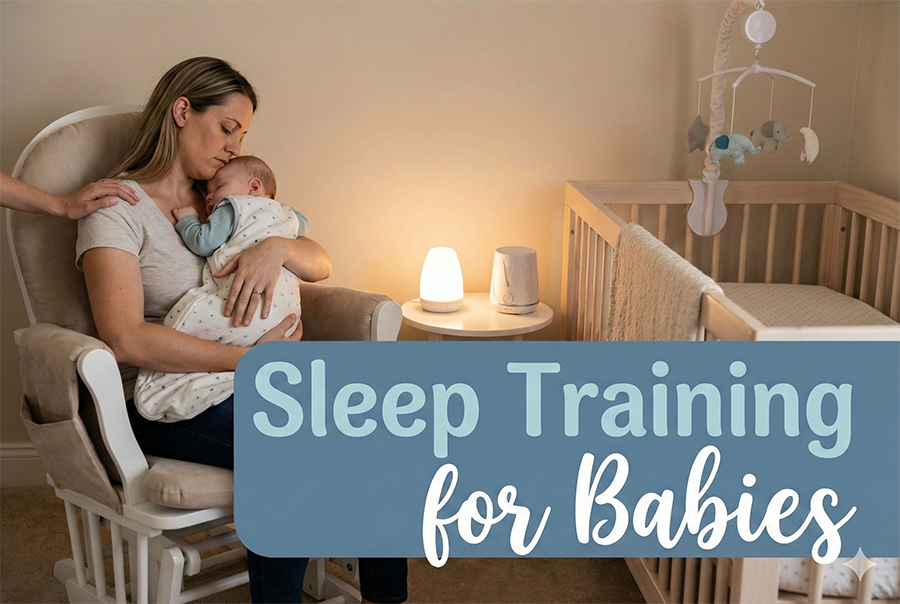
Baby sleep training is a structured approach that helps infants learn to fall asleep independently and sleep for longer stretches at night. The goal is to help babies recognize their sleep cues, adapt to a consistent sleep environment, and rely less on external sleep associations such as rocking or feeding.
When Should Sleep Training Start?
Most experts suggest that sleep training is more effective starting around 4 months of age. By this time, babies' sleep cycles become more organized, and the day–night rhythm is better established. However, this is not a strict rule. Some babies may be ready earlier, while others may need more time.
- 0–3 months: Too early for formal sleep training; focus on building gentle routines.
- 4–6 months: Often considered the ideal window for sleep training.
- 6 months and beyond: Training is still possible, though habits may be more established.
Since every baby is unique, the timing should depend on your baby's overall mood, feeding patterns, and developmental readiness.
How to Establish a Sleep Routine for Babies
Creating a sleep routine is the foundation of sleep training. A consistent bedtime routine signals to your baby that it is time to sleep and makes the transition easier.
1. Create a Consistent Bedtime Routine
A simple routine at the same time each night strengthens your baby's sense of security. Bath time, pajamas, reading a short book, or soft music are ideal bedtime cues.
2. Optimize the Sleep Environment
Keep the room temperature between 20–22°C (68–72°F), dim the lights, and minimize sudden noise. White noise machines can help some babies fall asleep more easily.
3. Recognize Sleep Cues
Eye rubbing, yawning, staring off, or fussiness are signs your baby is ready for sleep. One of the most important parts of sleep training is placing your baby in bed before becoming overtired.
4. Follow Age-Appropriate Wake Windows
Wake windows vary by age. Exceeding them may cause overtiredness and make falling asleep harder.
- 0–3 months: 45–60 minutes
- 3–6 months: 1–2 hours
- 6–9 months: 2–3 hours
- 9–12 months: 2.5–4 hours
Common Sleep Training Methods
There are several sleep training methods available. Each approach has different strategies and levels of parental involvement.
1. Ferber Method (Controlled Crying)
This method allows the baby to learn to fall asleep independently while parents check in at gradually increasing intervals. Parents offer verbal reassurance without picking the baby up.
2. Pick Up–Put Down Method
When the baby becomes upset, the parent briefly picks them up to calm them and then places them back in the crib. The goal is to reduce dependence on being held to fall asleep.
3. Chair Method
The parent sits near the crib and gradually moves farther away over several nights, slowly reducing physical presence and support.
4. Gradual Withdrawal Method
Sleep associations such as rocking, nursing to sleep, or holding are reduced little by little each day. This is considered one of the gentlest sleep training approaches.
Common Mistakes in Sleep Training
- Starting sleep training when the baby is overtired
- Changing bedtime routines every night
- Ignoring appropriate wake windows
- A sleep environment that is too bright or too warm
- Immediately picking up or feeding the baby every time they wake
Consistency and patience are the two most important elements of successful sleep training.
How Long Does Sleep Training Take?
The duration of sleep training varies depending on your baby’s temperament and the chosen method. Some babies show significant improvement within 3–4 days, while others may take 1–3 weeks. Staying consistent and confident helps your baby feel secure during the process.
Advice for Parents
Sleep training does not look the same for every baby. Some adapt quickly, while others need more time. Trust your instincts, observe your baby’s cues, and seek professional guidance if necessary. Like any healthy routine, a good sleep schedule develops gradually with patience and consistency.