When babies reach 12 months, they take their first step from “infancy” into “toddlerhood.” As a result, their feeding routine can change significantly compared to previous months. One of the most common questions parents ask during this time is how often should a 12-month-old baby be fed. From age one, babies become more involved in family meals, and feeding times usually settle into a clearer daily routine.
How Often Should a 12-Month-Old Baby Be Fed?
In general, a 12-month-old baby should be fed every 3–4 hours. At this stage, babies typically move into a routine that includes main meals and snacks.
- 3 main meals (breakfast, lunch, dinner)
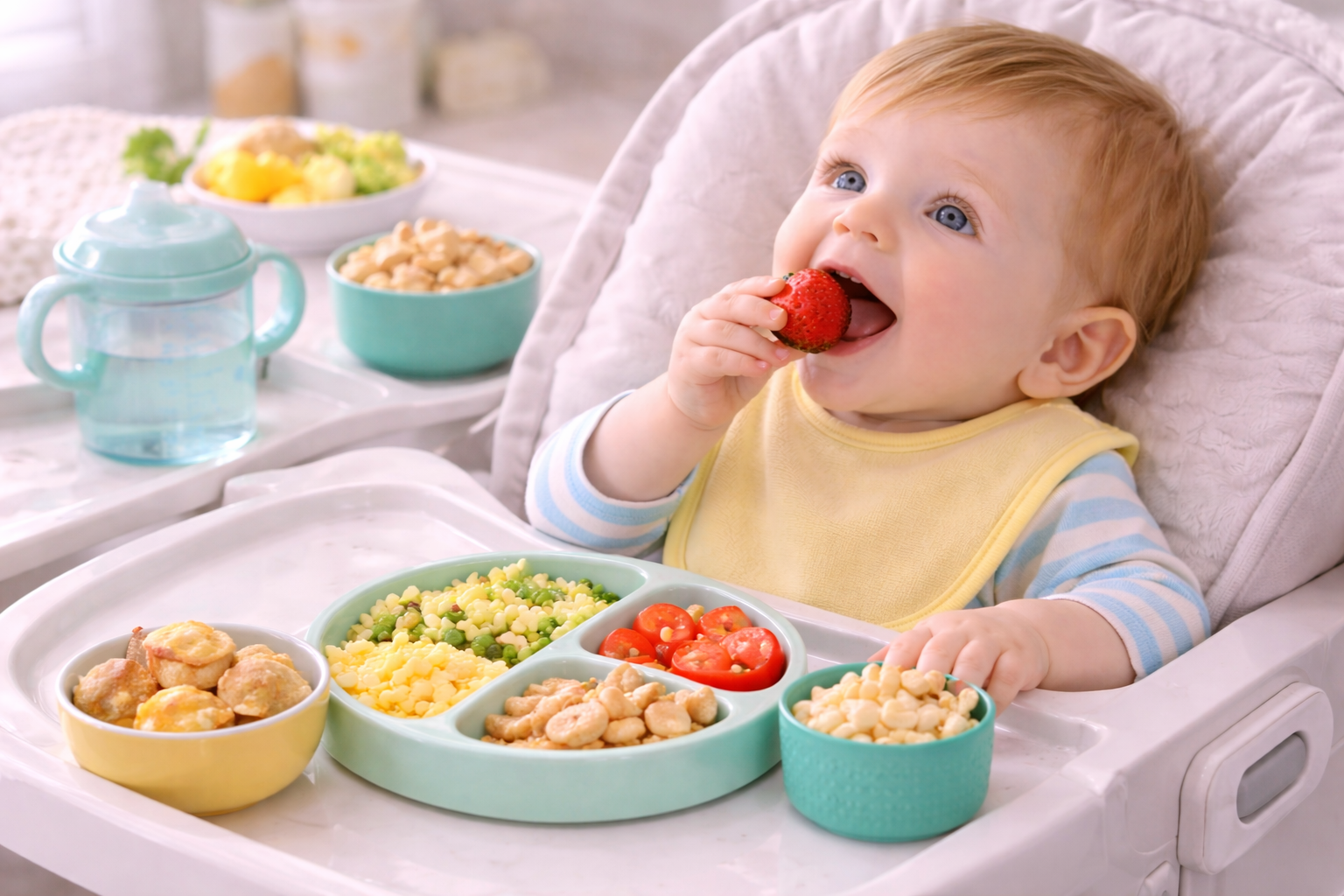
- 2 snacks (fruit, yogurt, homemade snacks)
- Breast milk or follow-on milk as needed
Feeding intervals should remain flexible based on the baby’s daily activity level and appetite.
How Many Meals Should a 12-Month-Old Baby Eat Per Day?
An ideal daily routine for a 12-month-old baby includes:
- 3 main meals
- 2 snacks
This structure helps meet energy needs while supporting healthy, consistent eating habits.
Should a 12-Month-Old Baby Still Have Breast Milk or Formula?
From age one, breast milk is still very valuable. Breastfed 12-month-old babies can continue nursing. Nursing frequency typically decreases to about 1–3 times per day.
For babies who were formula-fed, follow-on milk may be preferred. However, at this stage, milk is a supportive food rather than the main “meal.”
How Long Can a 12-Month-Old Baby Go Without Eating at Night?
A healthy 12-month-old baby can usually go 10–12 hours overnight without eating. Many babies have completely stopped night feedings by this age.
- Baby with good weight gain: 10–12 hours
- Baby with borderline weight gain: 8–9 hours
- Baby with special medical needs: based on pediatric advice
Night waking is not always caused by hunger; habits or developmental factors can also play a role.
How Much Should a 12-Month-Old Baby Eat?
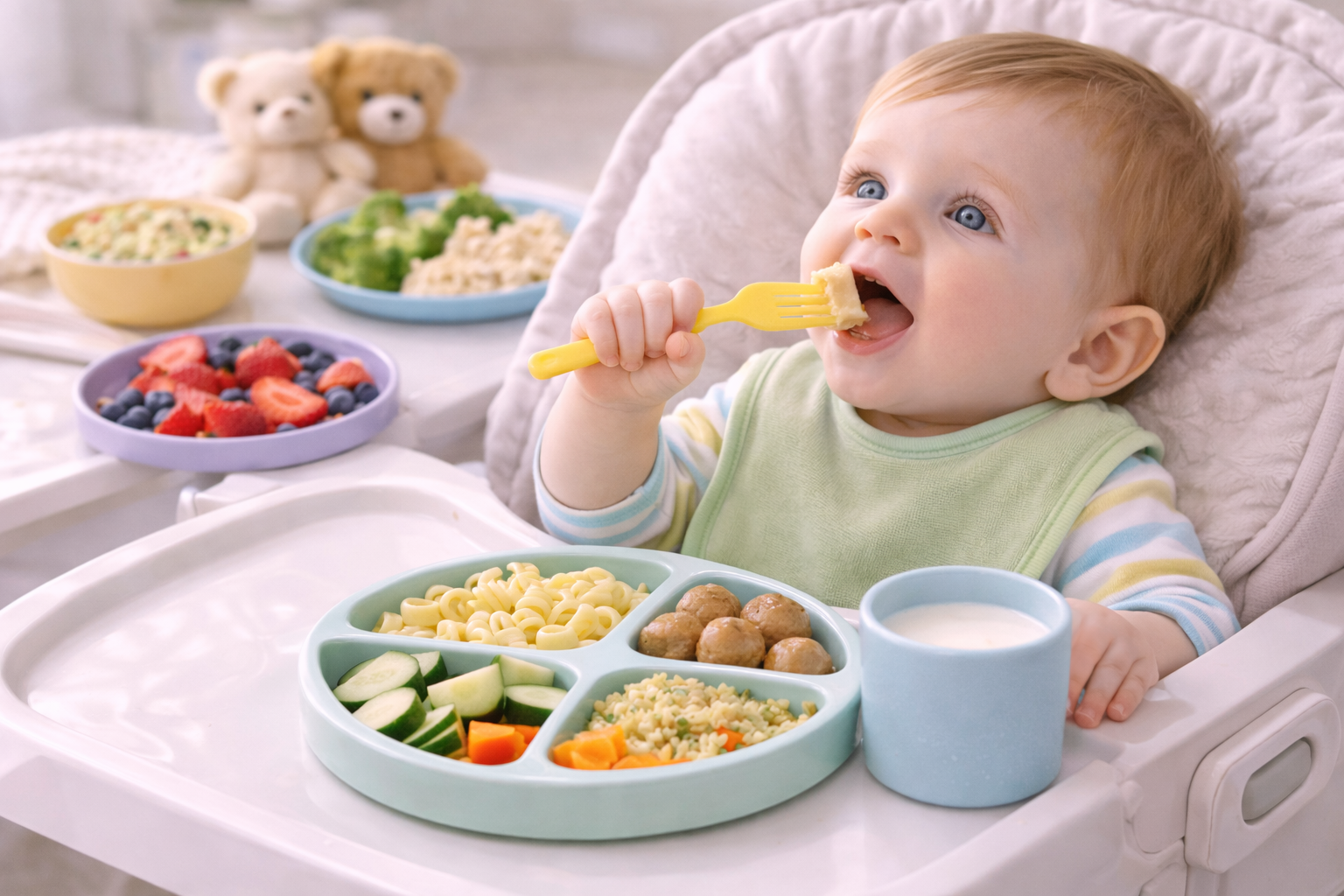
Portions should still be small at this age. When asking how much should a 12-month-old baby eat, balance and variety matter more than exact amounts.
- Vegetables and fruit
- Whole grains
- Protein sources (meat, chicken, fish, eggs)
- Dairy foods (yogurt, cheese)
Babies do not need to “finish the plate”; it’s important to respect fullness cues.
How Can You Tell If a 12-Month-Old Baby Is Full?
- Closing the mouth
- Pushing food away with the hand
- Turning the head away
- Losing interest in eating
- Calming down and shifting attention to play
When these signs appear, pressuring a baby to eat is not a healthy approach.
Why Might a 12-Month-Old Baby Want to Eat Less or More?
Appetite fluctuations are very common around age one. Common reasons include:
- Slower growth rate
- Starting to walk and explore
- Teething
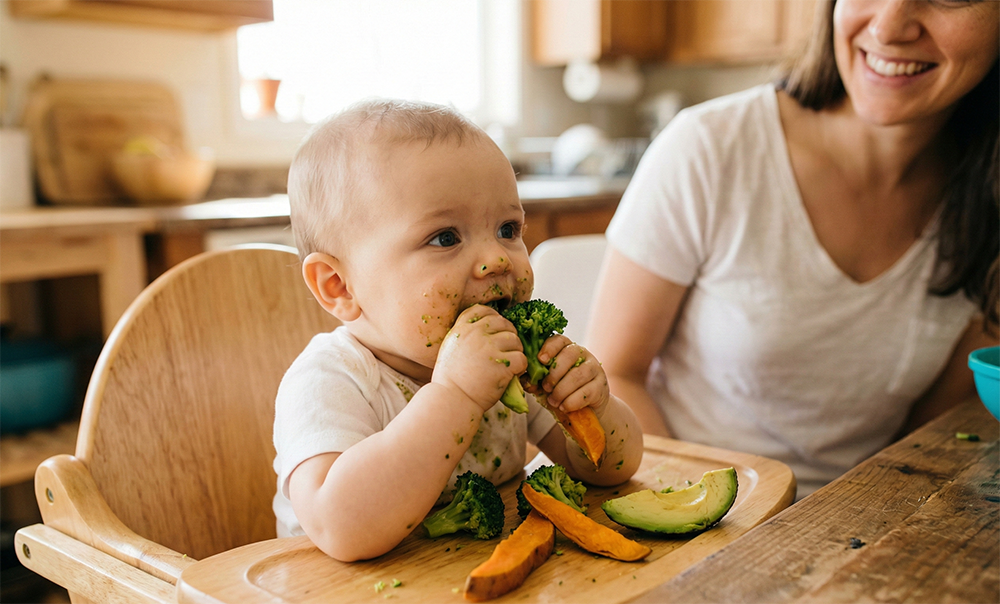
- Wanting to self-feed
These changes are often temporary and part of normal development.
Sample Daily Feeding Routine for a 12-Month-Old Baby
- Morning: Breakfast
- Snack: Fruit or yogurt
- Lunch: Main meal
- Snack: Homemade snack
- Evening: Light main meal
- Before bed: Breast milk or follow-on milk (optional)
This routine can be adjusted based on the baby’s sleep and activity schedule.
When Should You Call a Doctor?
- If the baby has noticeable weight loss
- If there is long-term refusal of food
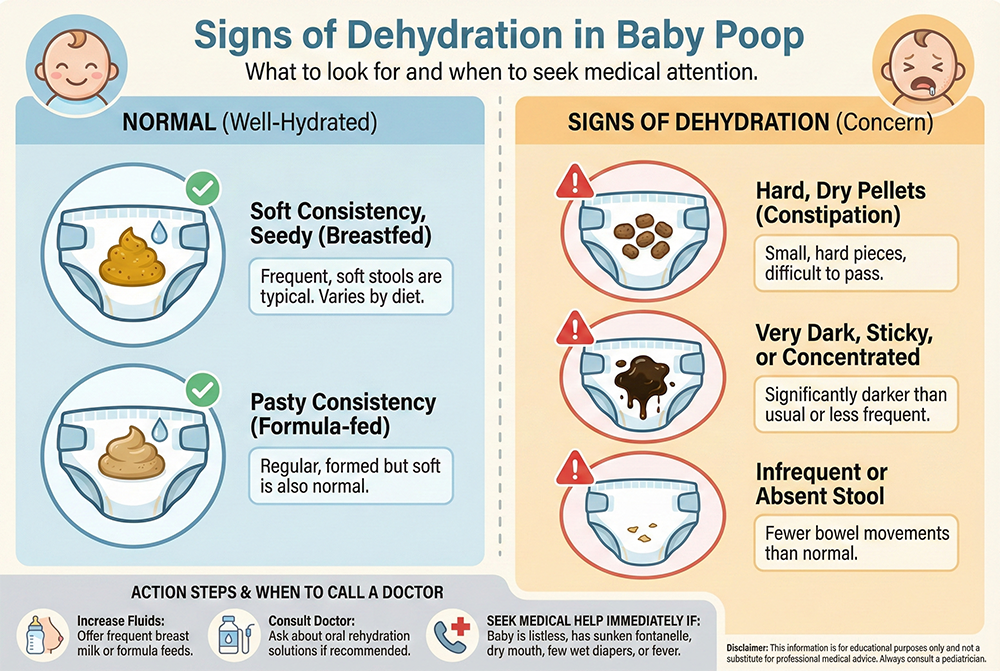
- If there are fewer than four wet diapers per day
- If ongoing vomiting or diarrhea occurs
- If there is extreme fussiness during feeding
Regular pediatric checkups are essential to ensure healthy nutrition after age one.
Notes for Parents
The answer to how often should a 12-month-old baby be fed is now based on a more structured routine. The goal at this stage is to build consistent meal habits, support self-feeding skills, and create a balanced diet with healthy foods. Respecting appetite and avoiding pressure helps form the foundation for healthy eating behaviors in the long term.