When babies reach 11 months of age, they are getting very close to their first birthday, and their feeding routines usually become more established. During this period, one of the most frequently asked questions by parents is how often should an 11-month-old baby be fed. At 11 months, the variety of solid foods increases, and babies begin to show more interest in eating with the family. However, breast milk or formula still remains an important part of daily nutrition.
How Often Should an 11-Month-Old Baby Be Fed?
In general, an 11-month-old baby is fed every 3–4 hours. At this age, meal frequency and feeding times tend to become more regular.
- Breastfed 11-month-old baby: Every 3–4 hours
- Mixed-fed baby: Every 3–4 hours
- Formula-fed baby: Every 3–4 hours
Feeding intervals should remain flexible and be adjusted based on the baby’s appetite, daily activity level, and sleep routine.
How Many Solid Food Meals Should an 11-Month-Old Baby Have Per Day?
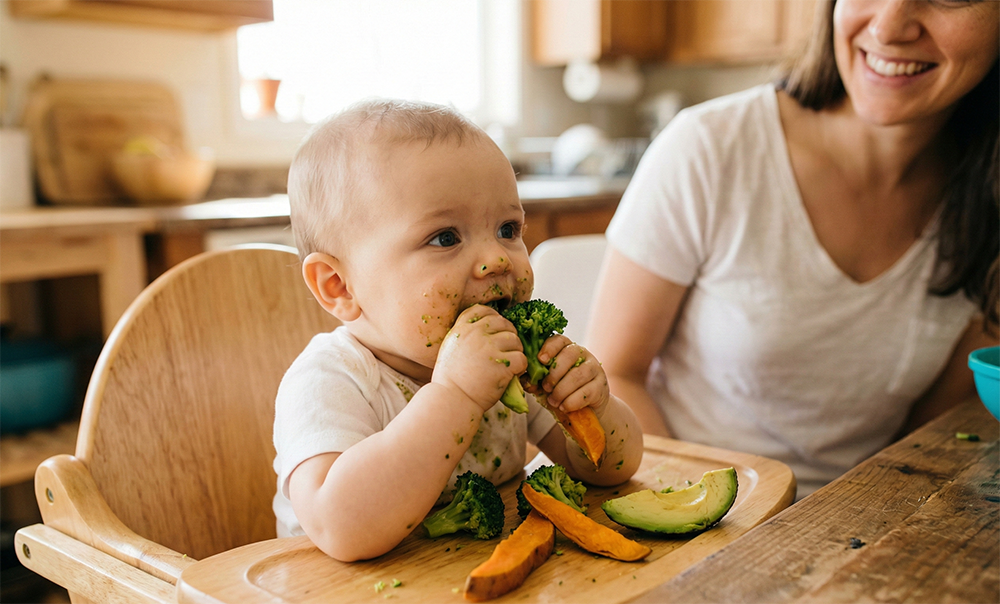
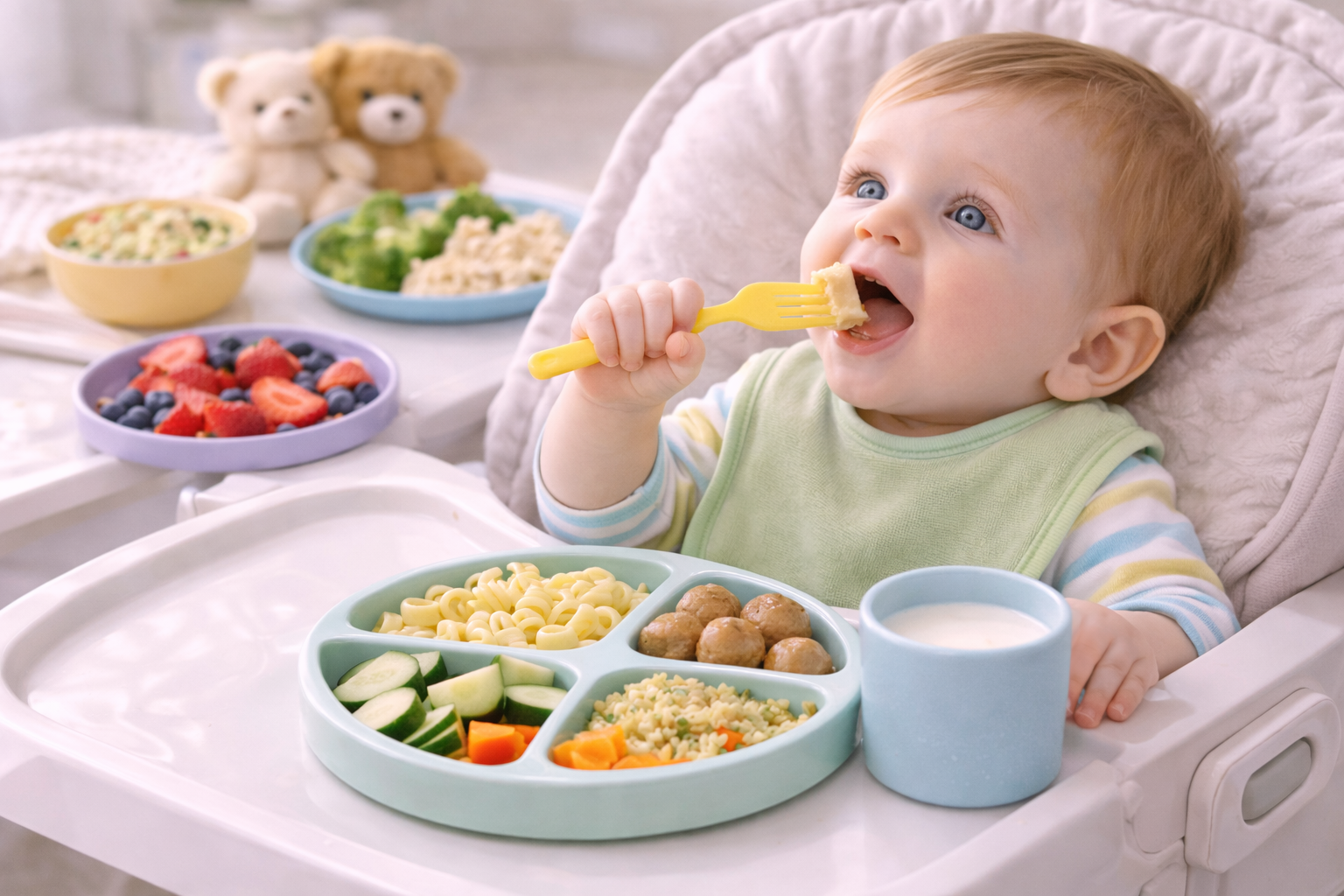
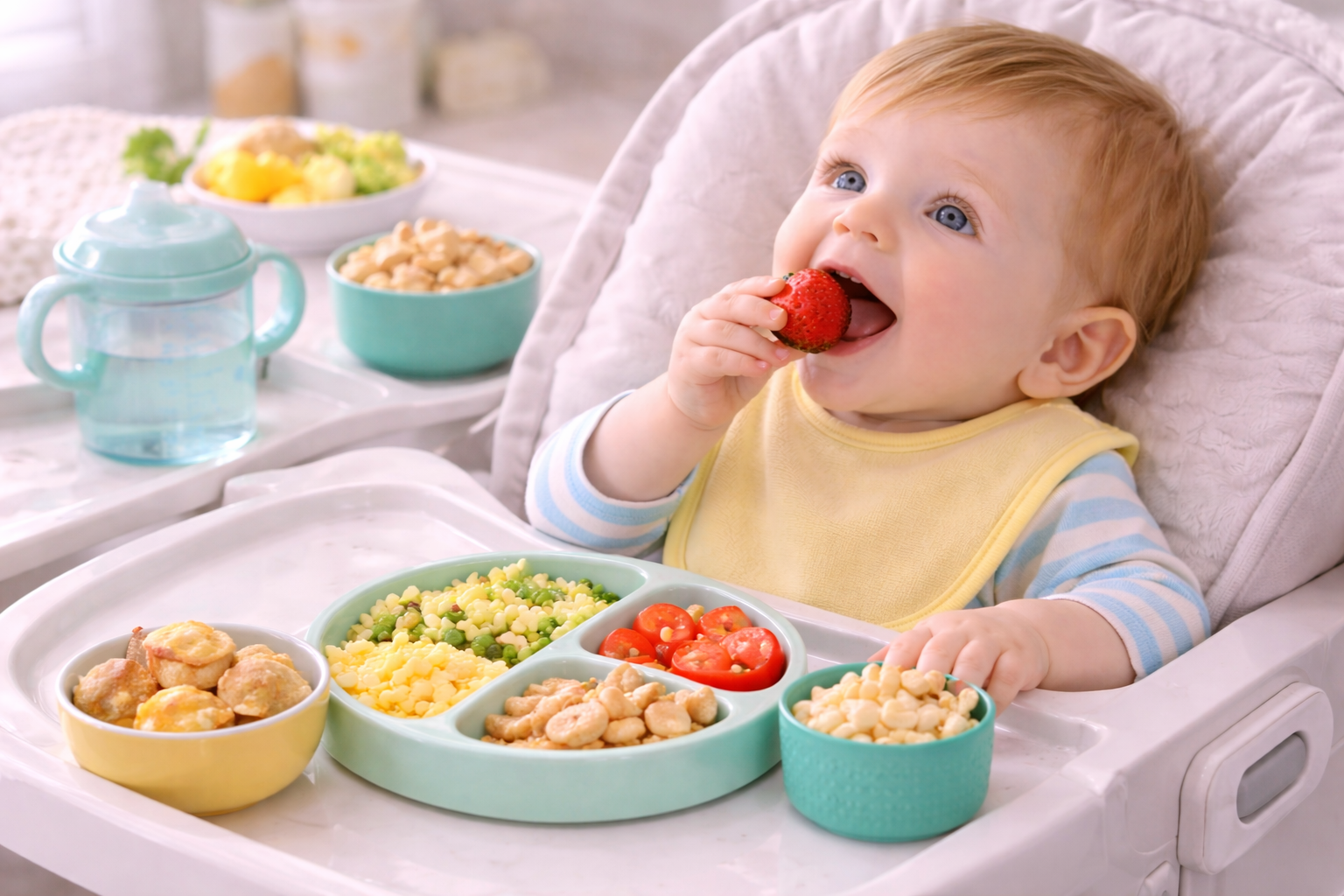
By 11 months of age, babies can comfortably eat three main solid food meals per day. In some babies, an additional 1–2 snacks may be included if needed.
Recommended Solid Food Plan
- Breakfast (eggs, cheese, whole grains, fruit)
- Lunch (vegetables combined with meat, chicken, or fish)
- Afternoon meal (yogurt, fruit, oats, homemade snacks)
At this stage, solid foods should be offered in a mashed or finely chopped texture rather than completely pureed.
How Long Can an 11-Month-Old Baby Go Without Feeding at Night?
A healthy 11-month-old baby with appropriate growth can usually go 10–12 hours without feeding at night. Many babies at this age may have already stopped night feedings entirely.
- Baby with good weight gain: 10–12 hours
- Baby with borderline weight gain: 8–9 hours
- Baby with special medical needs: based on pediatric advice
The decision to stop night feedings should always be evaluated based on the baby’s weight and pediatrician recommendations.
How Many Minutes Does an 11-Month-Old Baby Nurse?
The answer to how many minutes does an 11-month-old baby nurse can vary, as babies at this age are usually very active.
- Average nursing time: 3–5 minutes
- Fast nursers: 2–4 minutes
- Slower nursers: 5–7 minutes
Even if nursing sessions are shorter, effective feeding is considered completely normal.
How Much Formula Does an 11-Month-Old Baby Drink?
In formula-fed babies, intake may decrease as solid food consumption increases. On average, an 11-month-old baby drinks 120–200 ml (cc) of formula per feeding.
- Formula per feeding: 120–200 ml
- Total daily formula intake: 350–600 ml
A natural decrease in formula intake is expected as solid food variety expands.
How Can You Tell If an 11-Month-Old Baby Is Full?
- Pushing food away or closing the mouth
- Stopping nursing or eating
- Turning the head away
- Becoming more interested in surroundings
- Calming down and relaxing
When these signs appear, avoiding pressure helps support healthy eating habits.
Why Might an 11-Month-Old Baby Want to Eat Less or More?
Appetite changes are common at 11 months of age. The main reasons include:
- Growth spurts
- Walking attempts and increased physical activity
- Teething
- Adjusting to new tastes and textures
These fluctuations are usually temporary and return to normal within a few days.
Sample Daily Feeding Routine for an 11-Month-Old Baby
- Morning: Breast milk or formula
- Breakfast
- Midday: Breast milk or formula
- Lunch solid meal
- Afternoon: Yogurt / fruit / snack
- Evening: Light solid meal
- Before bedtime: Milk feeding
This plan can be adapted according to the baby’s individual rhythm.
When Should You Call a Doctor?
- If the baby is not gaining enough weight
- If solid foods are consistently refused
- If there are fewer than four wet diapers per day
- If frequent vomiting or diarrhea occurs
- If noticeable fussiness follows feeding
Every baby develops at a different pace, which makes regular pediatric checkups essential.
Notes for Parents
The answer to how often should an 11-month-old baby be fed depends on the baby’s appetite, activity level, and developmental progress. The goal at this stage is to diversify solid foods, gradually reduce milk feedings without eliminating them completely, and respect hunger and fullness cues. A flexible, baby-centered feeding routine creates a healthy foundation for life after age one.