Feeding a 10-month-old baby is a critical stage where both physical development and healthy eating habits are being established. As babies reach 10 months, their motor skills improve rapidly, mobility increases significantly, and their energy needs rise accordingly. For this reason, feeding routines may need to be adjusted compared to earlier months. During this period, parents most commonly ask how often should a 10-month-old baby be fed and how often does a 10-month-old baby get hungry. Month 10 is a transition stage in which solid foods take a major role in daily nutrition, while breast milk or formula still remains a primary source of nourishment.
How Often Should a 10-Month-Old Baby Be Fed?
In general, the answer to how often should a 10-month-old baby be fed is approximately every 3–4 hours. Although stomach capacity has increased by this age, babies also burn more energy due to higher activity levels, making regular meals especially important. The question how often does a 10-month-old baby get hungry usually aligns with these same time intervals.
- Breastfed baby: About every 3 hours
- Mixed-fed baby: Every 3–4 hours
- Formula-fed baby: Every 3–4 hours
Feeding intervals can be adjusted based on the baby’s growth rate, daily activity level, and individual appetite. The most important factor is carefully observing hunger and fullness cues.
How Many Solid Food Meals Should a 10-Month-Old Baby Have Per Day?
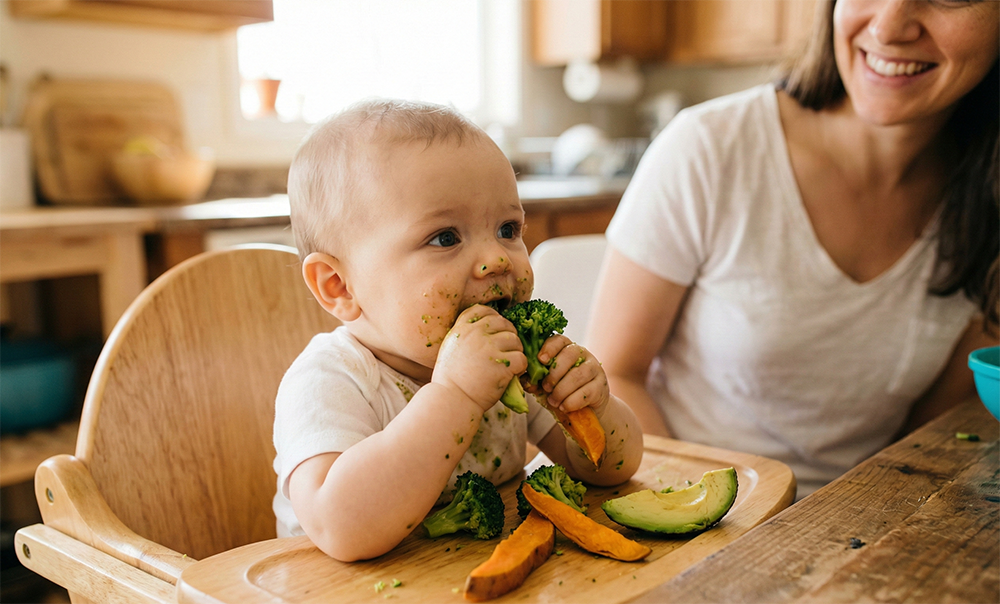
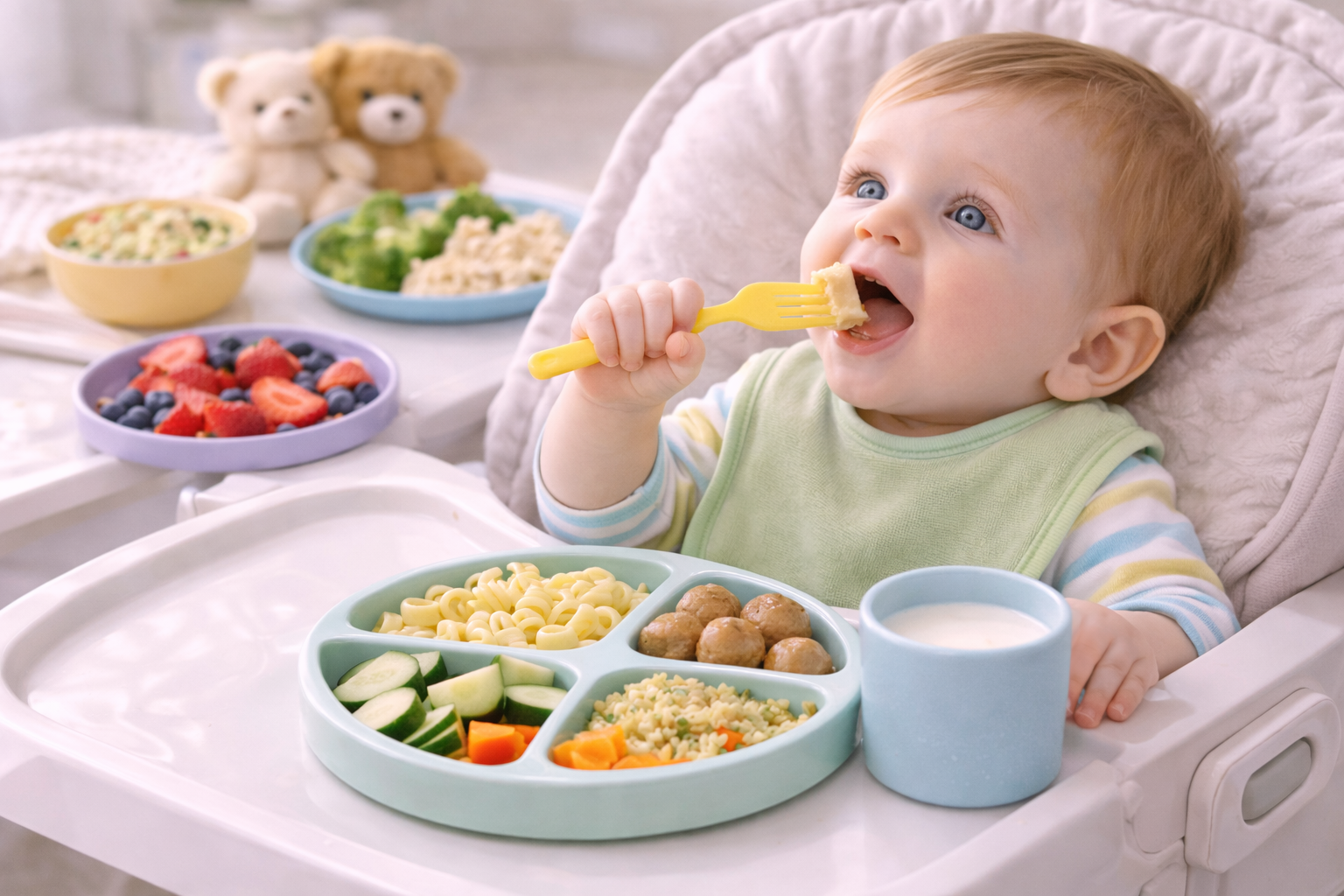
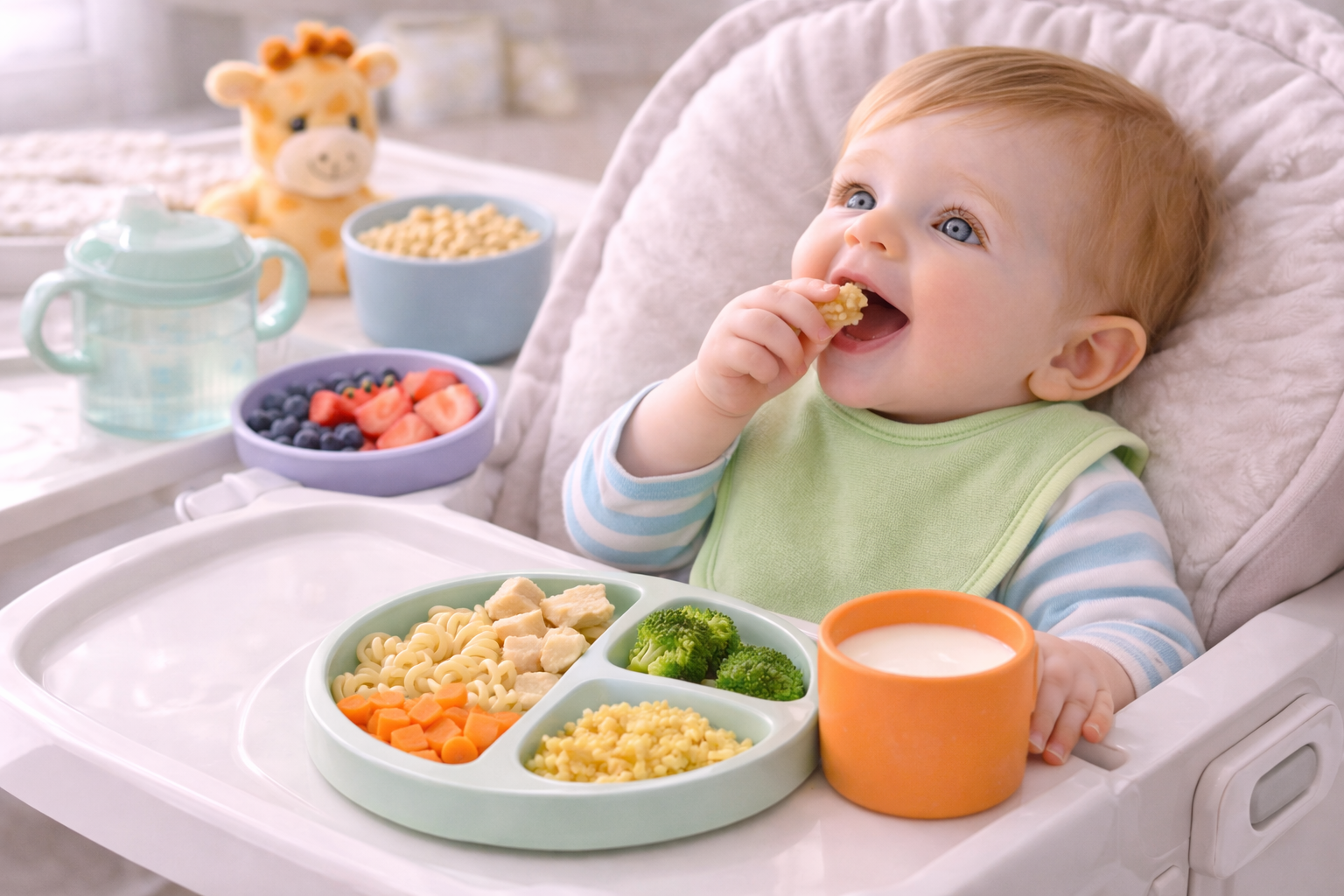
By month 10, solid food meals become more structured and predictable. For a healthy baby, three solid meals per day is considered ideal. These meals are typically organized as breakfast, lunch, and an afternoon snack. This structure also forms the foundation of a balanced 10-month-old baby feeding schedule.
Recommended Solid Food Plan
- Breakfast (egg yolk, cheese, grain mixes, fruit)
- Lunch (vegetable–meat combinations, yogurt, legumes)
- Afternoon meal (fruit purées, oats, yogurt, or homemade snacks)
While solid foods support nutrition, breast milk or formula should still remain an essential part of daily feeding and should not be skipped.
How Long Can a 10-Month-Old Baby Go Without Feeding at Night?
Another common question parents ask is how long can a 10-month-old baby go without feeding at night. A healthy 10-month-old baby with appropriate weight gain can usually go 10–12 hours without feeding and sleep through the night. This often indicates that the baby no longer needs night feeds.
- Baby with good weight gain: 10–12 hours
- Baby with borderline weight gain: 7–8 hours
- Baby with special medical needs: based on pediatric advice
The answer to how many times should a 10-month-old baby feed at night becomes relevant here, as many babies no longer need night feedings at this stage. However, reducing or stopping night feeds should always be done under pediatric guidance.
How Many Minutes Does a 10-Month-Old Baby Nurse?
The answer to how many minutes does a 10-month-old baby nurse varies greatly because babies at this age have shorter attention spans. Increased environmental interest and movement often shorten nursing sessions.
- Average nursing time: 3–6 minutes
- Fast nursers: 2–4 minutes
- Slower nursers: 6–8 minutes
Nursing briefly and releasing the breast is completely normal for babies in this age group.
How Much Formula Does a 10-Month-Old Baby Drink?
The question how much formula does a 10-month-old baby drink is especially important for formula-fed or mixed-fed babies. Daily formula intake is directly related to how much solid food the baby consumes.
- Formula per feeding: 150–210 ml (cc)
- Total daily formula: 400–650 ml
As solid food variety and portion sizes increase, a natural decrease in formula intake is expected.
How Can You Tell If a 10-Month-Old Baby Is Full?
- Pushing away the bottle or breast
- Slowing down or stopping sucking
- Losing interest in food
- Calming down and relaxing
- Turning the head away
Recognizing these cues is essential for helping babies regulate their own appetite.
Why Might a 10-Month-Old Baby Get Hungry More Often?
At certain times, feeding patterns in 10-month-old babies may temporarily change. Common reasons include:
- Growth spurts
- Increased energy needs due to crawling and early walking attempts
- Adjusting to new tastes and textures
- Higher daily activity levels
These appetite increases are usually temporary and resolve within a few days.
Sample Feeding Routine for a 10-Month-Old Baby
- Morning: Breast milk or formula
- Breakfast
- Midday: Breast milk or formula
- Lunch solid meal
- Afternoon: Milk feeding
- Afternoon snack
- Before bedtime: Milk feeding
This sample plan serves as a guide for creating an ideal 10-month-old baby feeding schedule. It can be adjusted based on sleep patterns, appetite, and development.
When Should You Call a Doctor?
- If the baby is not gaining enough weight
- If solid foods are consistently refused
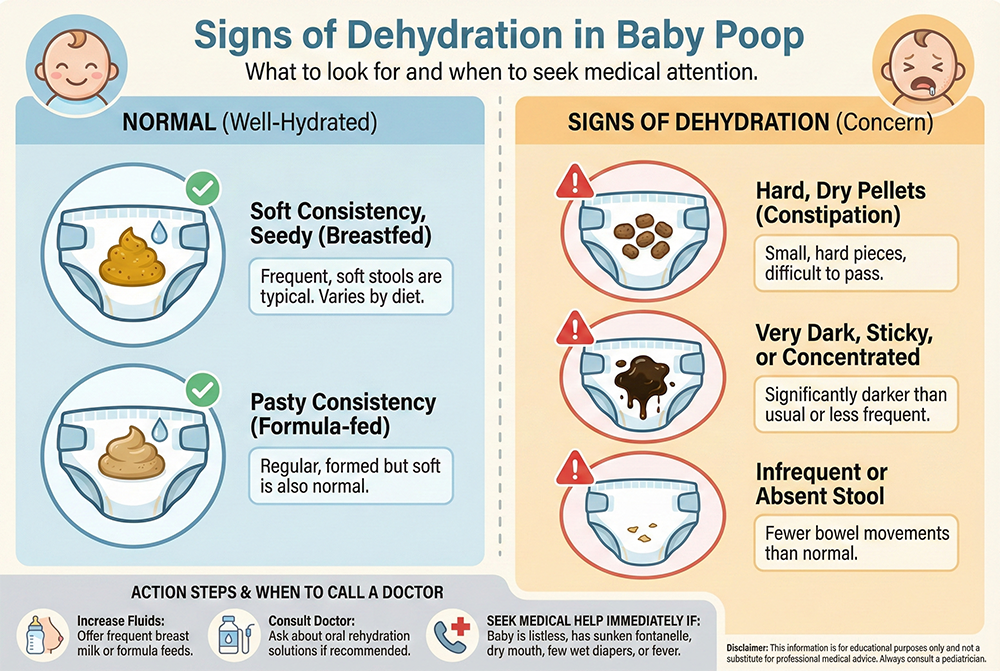
- If there are fewer than four wet diapers per day
- If frequent vomiting occurs
- If intense fussiness follows feeding
Every baby develops differently. Regular pediatric checkups are essential for monitoring healthy feeding and growth.
The answers to how should a 10-month-old baby be fed and what should a 10-month-old baby eat depend on the baby’s individual needs. Offering a balanced variety of solid foods, maintaining milk feedings, and respecting hunger and fullness cues form the foundation of healthy nutrition. Every baby is unique, and the best routine develops naturally over time.