As babies reach the 3-month mark, feeding routines usually start to become more consistent. During this period, one of the most common questions parents ask is how often should a 3-month-old baby be fed. Although every baby is different, general developmental data provides clear guidance on ideal feeding intervals, nursing duration, and formula amounts. In this guide, we take a detailed look at the feeding routine of a baby who is fed breast milk and/or formula during the third month.
How Often Should a 3-Month-Old Baby Be Fed?
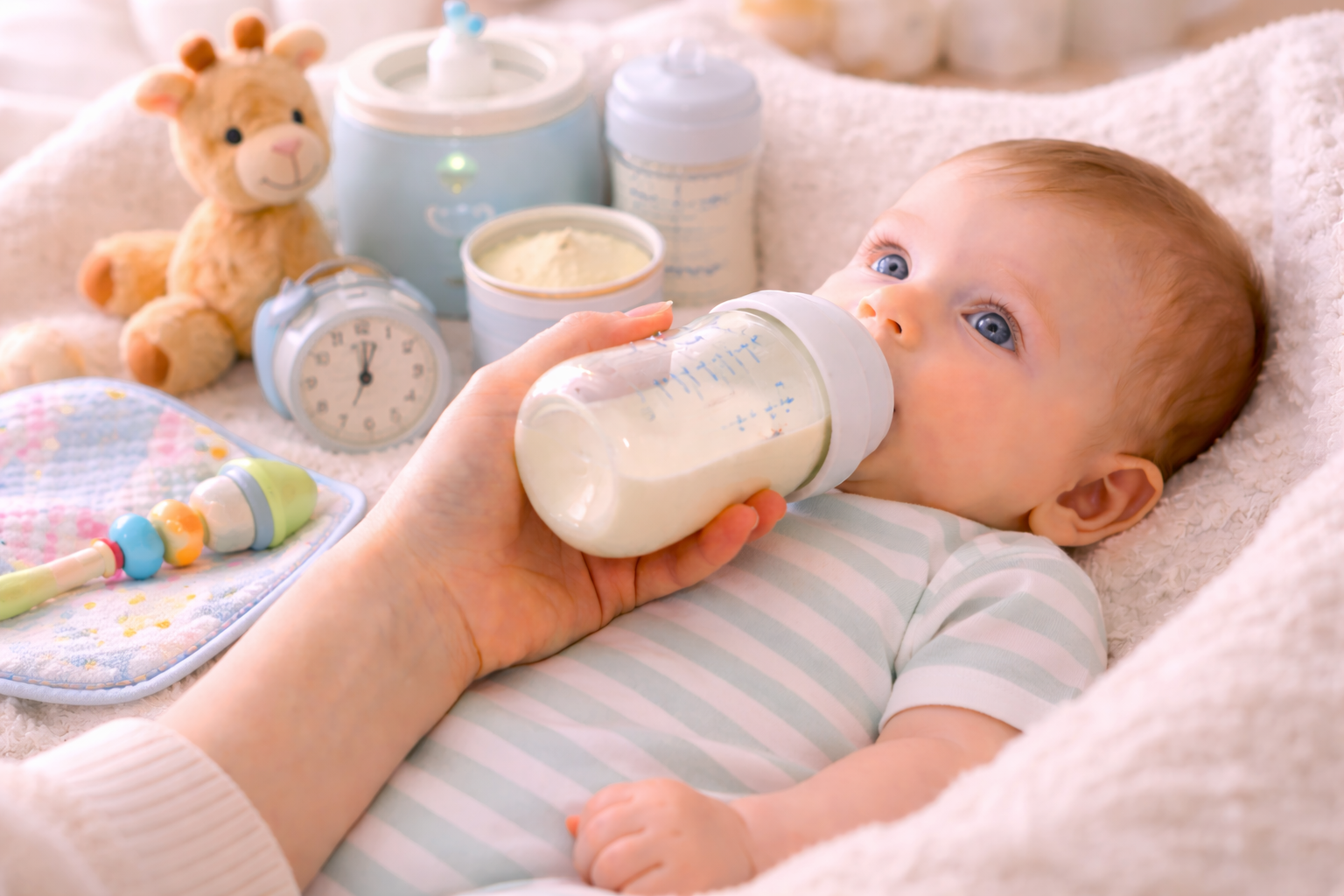
On average, a 3-month-old baby feeds every 3–4 hours. Breastfed babies often feed more frequently, while formula-fed babies may go longer between feeds. At 3 months, stomach capacity increases and the baby may stay full for a longer period of time.
- 3-month-old baby fed breast milk: every 2.5–3 hours
- Combination-fed baby: about every 3 hours
- Formula-fed baby: every 3–4 hours
Still, rather than relying on a strict schedule, it’s best to consider your baby’s hunger cues, sleep routine, and weight gain.
How Long Can a 3-Month-Old Baby Go Without Feeding at Night?
At 3 months, many babies begin sleeping for longer stretches at night. For a baby who is gaining weight well, going up to 5–6 hours without feeding at night may be considered normal. However, this does not apply to every baby.
- Babies with good weight gain: 5–6 hours
- Babies with borderline weight gain: 3–4 hours
- Premature babies: may need more frequent feeds
During long night sleep stretches, it is not always necessary to wake the baby for feeding; however, in the first months, your doctor’s recommendations should always be taken into account.
How Many Minutes Does a 3-Month-Old Baby Nurse?
There is no exact answer to the question how many minutes does a 3-month-old baby nurse?, but there are common averages.
- Breastfed babies: 10–20 minutes
- Efficient, strong nursers: 5–7 minutes
- Slower nursers: 15–20 minutes
Nursing duration can vary depending on the baby’s sucking strength, milk flow, and the time of day. What matters most is that the baby seems full and content afterward.
How Many ml (cc) of Formula Does a 3-Month-Old Baby Drink?
For formula-fed babies, the amount is usually determined based on the baby’s weight. On average, a 3-month-old baby may take 90–150 ml (cc) of formula per feeding.
- Daily formula amount is usually: 150–180 ml per kg of body weight
- Formula per feeding: 90–150 ml
- Number of feeds: 5–6 feeds per day
Avoid giving very large amounts in one sitting, and if spit-ups increase, a doctor’s evaluation may be needed.
How Can You Tell If a 3-Month-Old Baby Is Full?
At 3 months, babies can show fullness cues more clearly. Understanding these cues helps prevent unnecessary feeding and supports a healthier routine.
- Turning the head away from the breast or bottle
- Closing the mouth
- Slowing down sucking
- Starting to play with nearby objects
- Falling asleep on their own
Forcing a baby to feed when they are not hungry may cause fussiness and digestive discomfort.
How Often Does a 3-Month-Old Baby Pee, and Is It Important for Feeding?
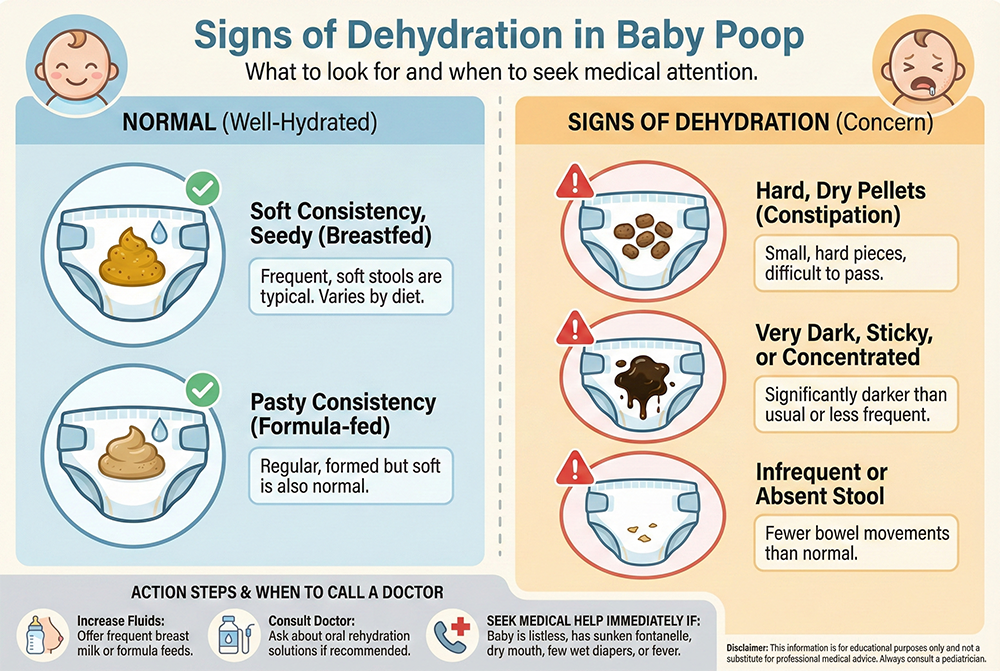
Adequate fluid and milk intake can often be assessed by diaper output. Having 5–6 wet diapers per day is one of the strongest signs that your baby is feeding well.
If the number of wet diapers decreases, it may indicate:
- insufficient milk intake,
- insufficient formula amount,
- risk of dehydration
and should be closely monitored.
What Should a 3-Month-Old Baby’s Feeding Routine Look Like?
Building a consistent feeding routine becomes especially important in the third month. Recognizing hunger cues and focusing on your baby’s needs rather than fixed times is usually healthier.
Recommended Feeding Routines
- Every 2.5–3 hours during the day
- Every 4–6 hours at night
- Total number of feeds: 6–8
- A balanced distribution based on your baby’s wake times
During growth spurts, it is completely normal for your baby to want to feed more frequently.
Why Might a 3-Month-Old Baby Get Hungry More Often?
At 3 months, feeding frequency may increase for different reasons.
- Growth spurts
- Being more active and needing more energy
- Short daytime sleep cycles
- Fast digestion
This period is usually temporary and often returns to normal within a few days.
When Should You Call a Doctor?
It may be helpful to consult a pediatrician in the following situations:
- If the baby is not gaining enough weight
- If the baby becomes extremely fussy shortly after feeding
- If the baby vomits frequently during or after feeds
- If there are fewer than 4 wet diapers per day
- If the baby’s sucking strength seems weak
Every baby is different, and the most accurate evaluation will be made by your baby’s doctor.
Notes for Parents
There is no single exact answer to the question how often should a 3-month-old baby be fed, because every baby has a different rhythm. The most important things are observing your baby’s hunger and fullness cues, tracking steady weight gain, and avoiding overfeeding. At 3 months, feeding and sleep routines both develop quickly, so a flexible approach based on your baby’s needs is usually the healthiest choice.