When babies reach 4 months of age, both their feeding routines and daily activities become more predictable. One of the most common questions parents ask during this period is how often should a 4-month-old baby be fed. The fourth month is a time of growth spurts and increased stomach capacity. For this reason, feeding intervals should be shaped according to the baby’s individual needs and development.
How Often Should a 4-Month-Old Baby Be Fed?
In general, a 4-month-old baby is fed every 3–4 hours. Breastfed babies may need to feed more frequently, while formula-fed babies often stay full for longer periods.
- Breastfed 4-month-old baby: every 2.5–3 hours
- Mixed-fed baby: about every 3 hours
- Formula-fed baby: every 3–4 hours
There is no single strict schedule; the most important factor is following your baby’s hunger cues and building a need-based feeding routine.
How Long Can a 4-Month-Old Baby Go Without Feeding at Night?
Many babies begin sleeping for longer stretches at night around 4 months. A baby who is gaining weight well and has medical approval may go up to 6 hours without feeding at night.
- Babies with good weight gain: 5–6 hours
- Babies with borderline weight gain: 3–4 hours
- Premature babies: should be fed more frequently
If your baby sleeps for long stretches and is gaining weight appropriately, waking them may not be necessary. However, pediatric advice should always be followed.
How Many Minutes Does a 4-Month-Old Baby Nurse?
The answer to how many minutes does a 4-month-old baby nurse depends on sucking strength and milk flow. Many babies at this age nurse more efficiently and finish faster.
- Average nursing duration: 5–15 minutes
- Fast, efficient nursers: 5–7 minutes
- Slower nursers: 10–15 minutes
You can usually tell if your baby is full by their relaxed behavior and contentment after feeding.
How Many ml (cc) of Formula Does a 4-Month-Old Baby Drink?
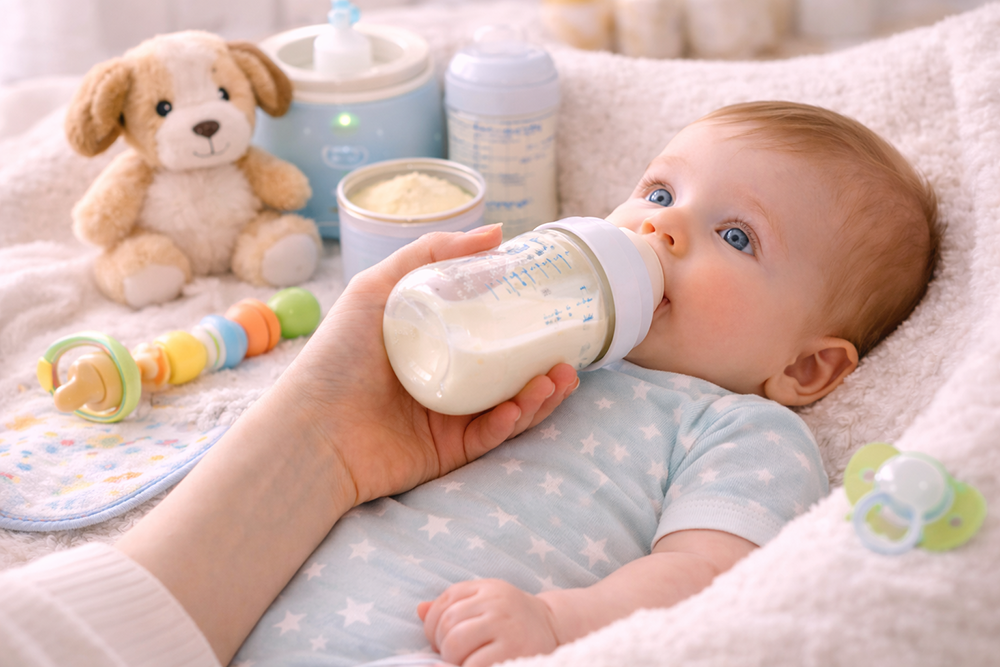
For formula-fed babies, the amount depends on body weight and feeding frequency. Most 4-month-old babies consume about 120–180 ml (cc) per feeding.
- Per feeding: 120–180 ml
- Total daily amount: about 150–180 ml per kg of body weight
- Number of feedings: 5–6 per day
Overfeeding may cause vomiting or gas, so formula amounts should be increased gradually based on the baby’s appetite.
How Can You Tell If a 4-Month-Old Baby Is Full?
A 4-month-old baby usually shows clear signs of fullness, such as:
- Turning their head away from the breast or bottle
- Slowing down or stopping sucking
- Becoming interested in their surroundings
- Relaxing during feeding
- Falling asleep naturally
Continuing to feed a baby who is already full may lead to unnecessary overfeeding.
What Should a 4-Month-Old Baby’s Feeding Routine Look Like?
By the fourth month, feeding routines become more structured. Solid foods are still not introduced at this stage; babies should continue receiving only breast milk or formula.
Recommended Feeding Routine
- Every 2.5–3 hours during the day
- Every 4–6 hours at night
- Total feedings: 5–7 per day
- A consistent schedule based on wake times
During growth spurts, it is completely normal for babies to want to feed more frequently.
Why Might a 4-Month-Old Baby Get Hungry More Often?
Temporary increases in feeding frequency may occur due to:
- Growth spurts
- Increased physical activity
- Shorter sleep cycles
- Fast digestion
This phase is usually short-lived and resolves within a few days.
When Should You Call a Doctor?
You should consult a pediatrician if:
- Your baby is not gaining enough weight
- Your baby becomes increasingly fussy after feeding
- Frequent vomiting occurs
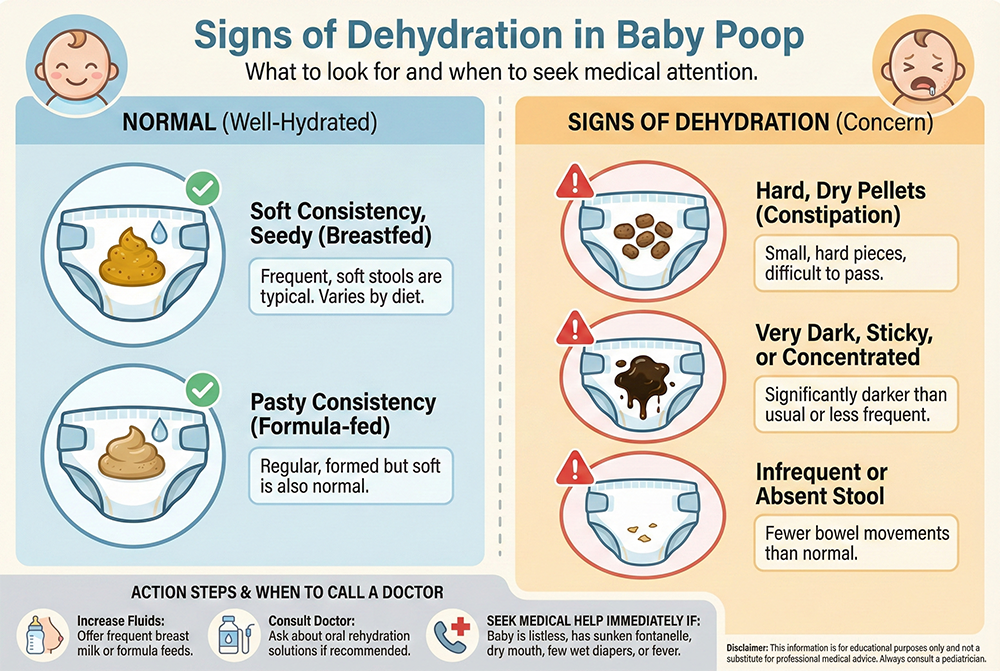
- There are fewer than 4 wet diapers per day
- Sucking strength seems weak
Every baby is unique; when in doubt, professional medical advice is always the safest choice.
Notes for Parents
There is no single correct answer to how often should a 4-month-old baby be fed. The healthiest approach is to follow your baby’s natural rhythm, monitor steady weight gain, and avoid overfeeding. A flexible, responsive, and loving feeding approach best supports healthy development during this stage.