When babies reach 5 months of age, both their feeding routines and sleep cycles change significantly. One of the most common questions parents ask during this stage is how often should a 5-month-old baby be fed. The fifth month is marked by frequent growth spurts, increased energy needs, and longer awake periods. For this reason, adjusting feeding intervals correctly is essential for both healthy development and family routine.
How Often Should a 5-Month-Old Baby Be Fed?
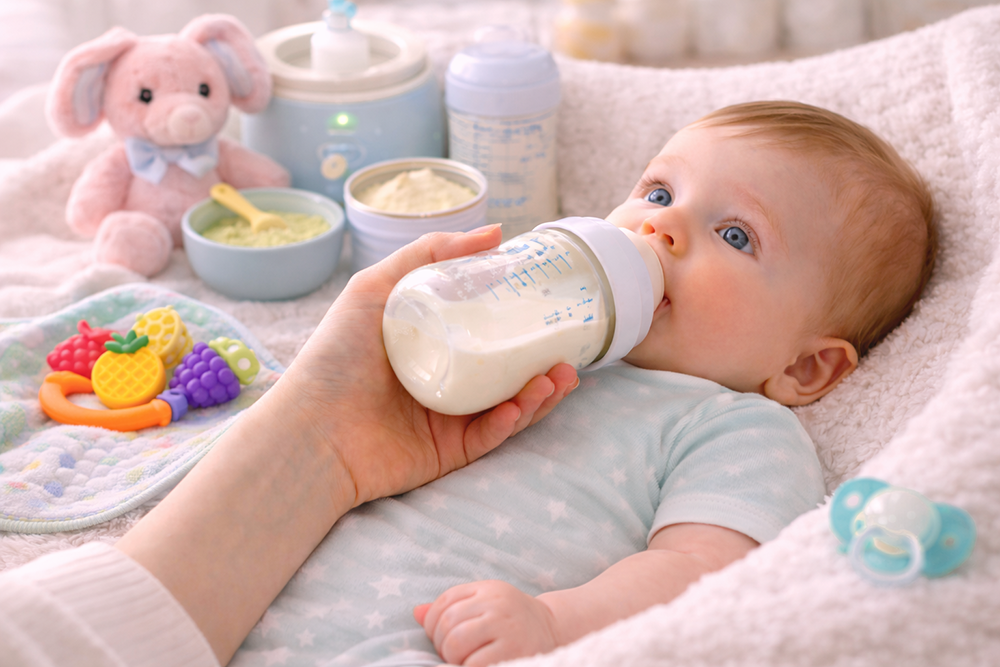
In general, a 5-month-old baby is fed every 3–4 hours. Feeding intervals may vary depending on the type of feeding.
- Breastfed 5-month-old baby: every 2.5–3 hours
- Mixed-fed baby: about every 3 hours
- Formula-fed baby: every 3–4 hours
Rather than following a strict schedule, the healthiest approach is to observe your baby’s hunger cues. Each baby may have a slightly different rhythm.
How Long Can a 5-Month-Old Baby Go Without Feeding at Night?
Many 5-month-old babies can sleep for longer stretches at night. For babies with healthy weight gain, going without feeding for up to 6 hours is generally considered normal. This should always be evaluated based on the baby’s weight, overall health, and pediatric guidance.
- Babies with good weight gain: 5–6 hours
- Babies with borderline weight gain: 3–4 hours
- Premature babies: should be fed more frequently
Babies who sleep for long periods do not always need to be woken up. However, if your doctor advises waking for feeds, this guidance should be followed.
How Many Minutes Does a 5-Month-Old Baby Nurse?
The answer to how many minutes does a 5-month-old baby nurse depends on sucking strength and milk flow. At this age, many babies nurse faster and more efficiently.
- Average nursing duration: 5–10 minutes
- Fast nursers: 4–6 minutes
- Slower nursers: 10–15 minutes
The baby’s comfort and satisfaction after feeding are more important than the exact duration.
How Many ml (cc) of Formula Does a 5-Month-Old Baby Drink?
For formula-fed babies, feeding amounts are usually planned according to body weight. A 5-month-old baby typically consumes about 150–210 ml (cc) per feeding.
- Per feeding: 150–210 ml
- Total daily amount: about 150–180 ml per kg of body weight
- Number of feedings: 5–6 per day
Not all babies drink the same amount of formula. Adjustments should be made based on the baby’s fullness cues.
How Can You Tell If a 5-Month-Old Baby Is Full?
At this stage, babies can clearly show when they are full. Common signs include:
- Stopping or slowing sucking
- Turning their head away from the breast or bottle
- Becoming interested in surroundings
- Appearing relaxed and content
- Falling asleep
When these signs appear, continuing to feed is not recommended.
What Should a 5-Month-Old Baby’s Feeding Routine Look Like?
At 5 months, solid foods are still not introduced; babies should continue to receive only breast milk or formula. Establishing a balanced and consistent feeding cycle is important.
Recommended Feeding Routine
- Every 2.5–3 hours during the day
- Every 5–6 hours at night
- Total feedings: 5–7 per day
- A balanced schedule aligned with sleep patterns
During growth spurts, some babies may temporarily want to feed more often. This is completely normal.
Why Might a 5-Month-Old Baby Get Hungry More Often?
Babies may sometimes show increased hunger during the fifth month due to:
- Growth spurts (especially around months 4–5)
- Higher energy needs
- Longer awake periods
- Increased physical activity
This increased feeding demand usually lasts only a few days.
When Should You Call a Doctor?
You should consult a pediatrician if:
- Your baby is not gaining enough weight
- Fussiness continues after feeding
- Frequent vomiting occurs
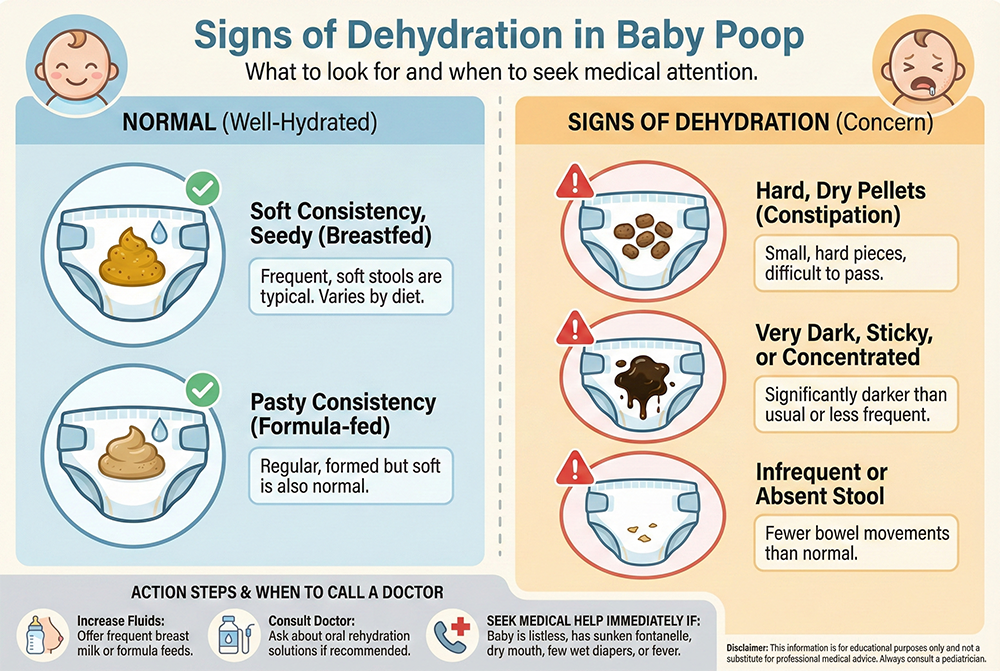
- There are fewer than 4 wet diapers per day
- Your baby refuses to feed or has difficulty nursing
Every baby is unique, and the most accurate assessment should always be made by your baby’s doctor.
Notes for Parents
Although there is no single correct answer to how often should a 5-month-old baby be fed, following your baby’s hunger and fullness cues is the healthiest approach. Being flexible based on your baby’s development, monitoring regular weight gain, and collaborating with your pediatrician when needed will help create an ideal feeding routine.