When babies reach 7 months of age, both their appetite and daily routines begin to change noticeably. During this period, many parents search for answers to the question how often should a 7-month-old baby be fed. At 7 months, babies are usually more familiar with solid foods and start exploring different tastes and textures. However, even at this stage, breast milk or formula remains the baby’s primary source of nutrition.
How Often Should a 7-Month-Old Baby Be Fed?
On average, a 7-month-old baby is fed every 3–4 hours. At this age, both solid food meals and milk feedings should be evenly distributed throughout the day.
- Breastfed 7-month-old baby: every 3 hours
- Mixed-fed baby: every 3–4 hours
- Formula-fed baby: every 3–4 hours
The best approach is to adjust feeding intervals based on the baby’s hunger cues, activity level, and sleep routine.
How Many Solid Food Meals Should a 7-Month-Old Baby Have?
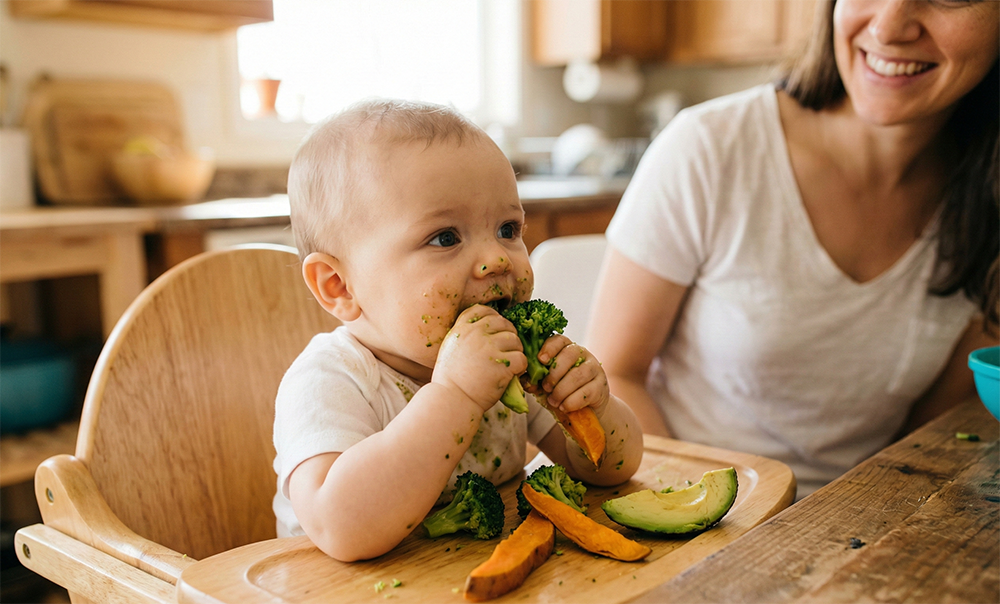
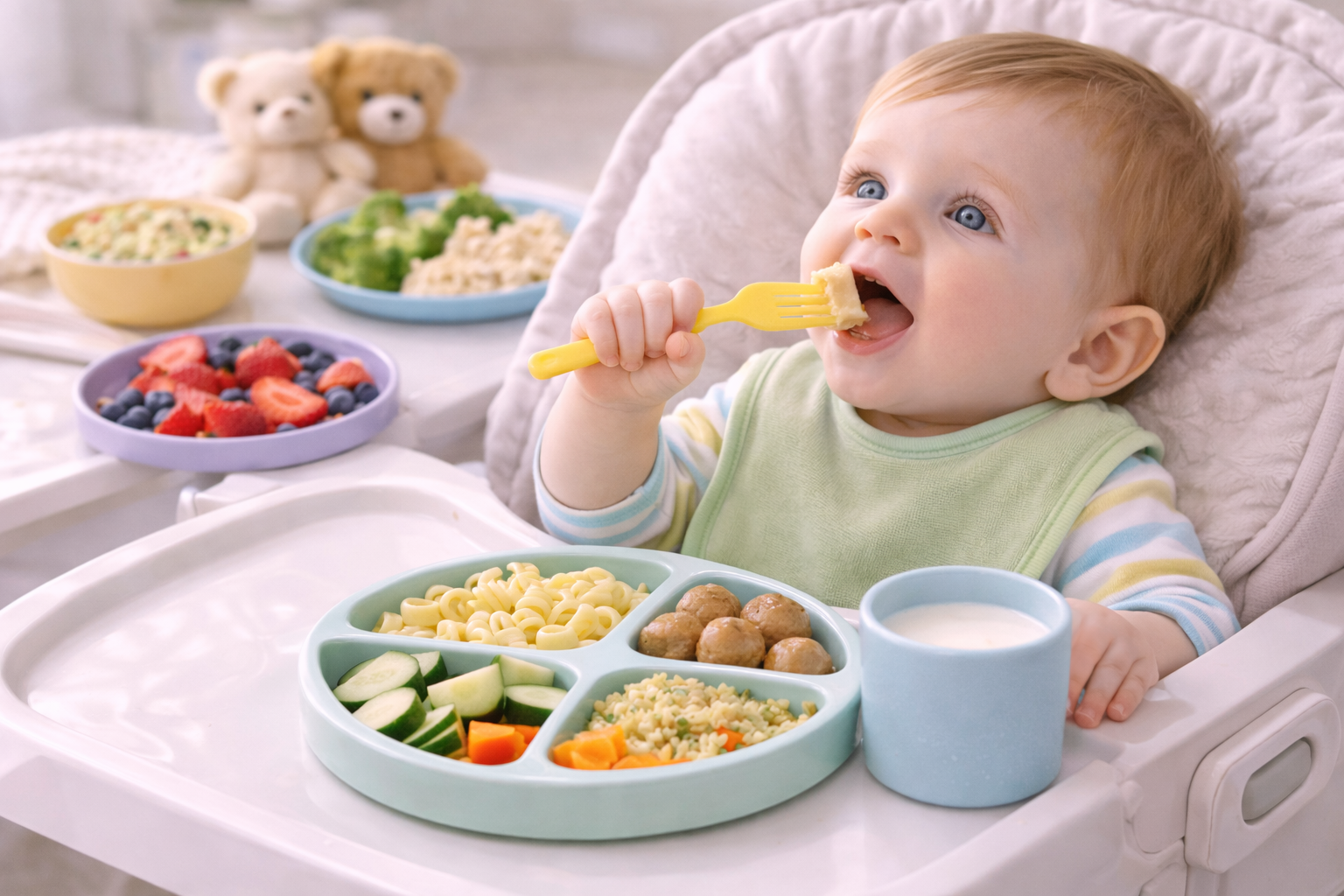
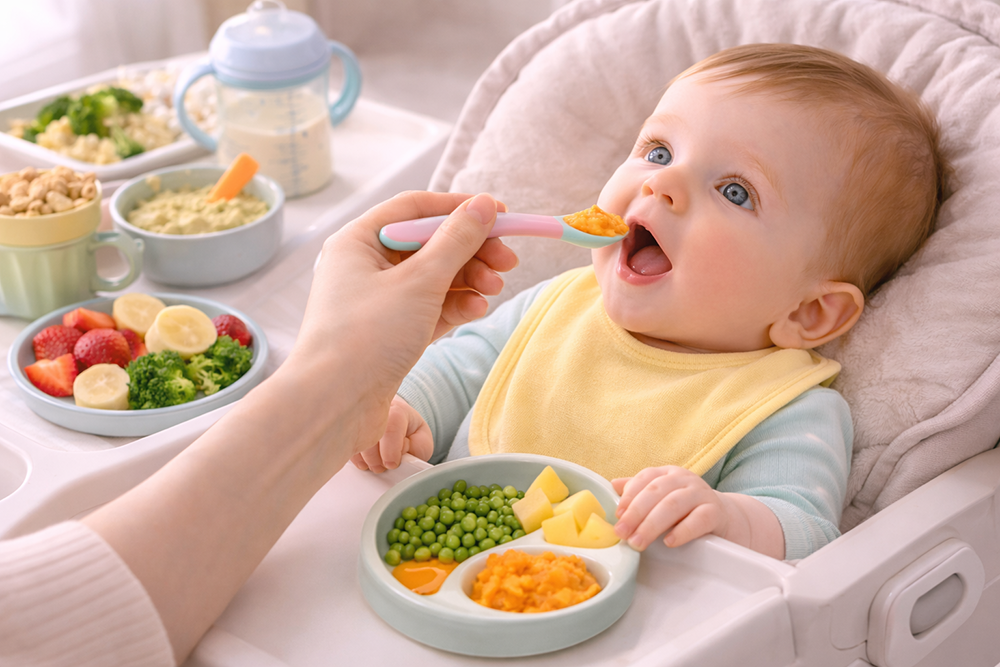
The 7th month is when solid feeding becomes more established. A baby can usually have 2 solid food meals per day. With pediatrician approval, some babies may progress to 3 solid meals.
Recommended Solid Food Plan
- Breakfast (age-appropriate egg yolk, cheese, or baby food blends)
- Lunch or dinner with vegetable puree, yogurt, or grain-based foods
- An additional light snack if recommended by a doctor
The amount of solid food varies from baby to baby; some adapt quickly, while others need more time.
How Long Can a 7-Month-Old Baby Go Without Feeding at Night?
Many babies begin sleeping longer stretches at night around 7 months. A healthy baby with good weight gain can usually go 8–10 hours without feeding at night.
- Babies with good weight gain: 8–10 hours
- Babies with borderline weight gain: 6–7 hours
- Babies with special conditions: based on pediatric advice
Night feedings should not be completely eliminated without consulting a pediatrician.
How Many Minutes Does a 7-Month-Old Baby Nurse?
Babies at this age usually nurse more efficiently. The average answer to how many minutes does a 7-month-old baby nurse is:
- 6–10 minutes of effective nursing
- Fast nursers: 4–6 minutes
- Slower nursers: 10–12 minutes
Shorter nursing sessions are normal at this age due to increased curiosity and distractions.
How Much Formula Does a 7-Month-Old Baby Drink?
Formula intake may vary from day to day. On average, a 7-month-old baby drinks 180–240 ml (cc) of formula per feeding.
- Per feeding: 180–240 ml
- Total daily intake: 600–900 ml (depending on solid food consumption)
As solid food intake increases, total milk consumption may naturally decrease.
How Can You Tell If a 7-Month-Old Baby Is Full?
At 7 months, babies can clearly show signs of fullness.
- Turning the head away or pulling away from the breast or bottle
- Slowing down or stopping sucking
- Shifting attention to toys or surroundings
- Appearing relaxed and content
- Falling asleep
When these signs appear, there is no need to force additional feeding.
Why Might a 7-Month-Old Baby Get Hungry More Often?
Some babies may temporarily seem hungrier than usual at this age. Common reasons include:
- Growth spurts (especially around the 7th month)
- Increased mobility (sitting, early crawling attempts)
- Higher energy needs
- Adjusting to new tastes and textures
This phase is usually temporary and resolves within a few days.
Sample Feeding Routine for a 7-Month-Old Baby
- Morning: Breast milk or formula
- Breakfast / solid food
- Midday: Breast milk or formula
- Lunch solid meal (vegetable puree, yogurt, etc.)
- Afternoon: Milk feeding
- Optional snack (with doctor’s approval)
- Before bedtime: Milk feeding
This routine can be adjusted according to the baby’s individual rhythm.
When Should You Call a Doctor?
- If weight gain is insufficient
- If the baby completely refuses solid foods
- If frequent vomiting occurs
- If the baby is extremely fussy after feeding
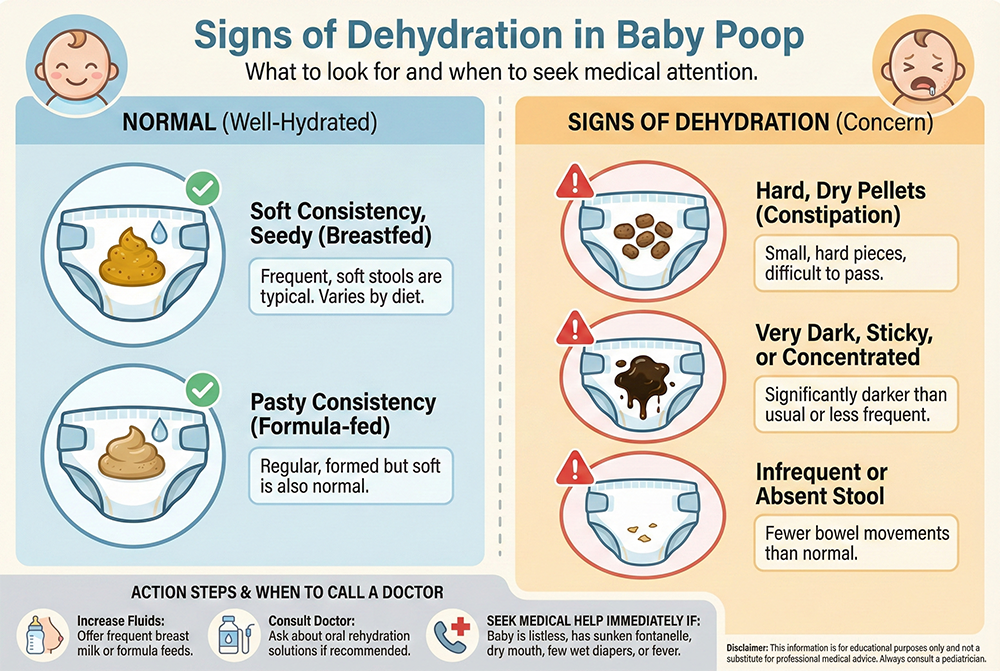
- If there are fewer than four wet diapers per day
Every baby develops differently, so regular pediatric checkups are essential.
Notes for Parents
There is no single correct answer to the question how often should a 7-month-old baby be fed. Each baby’s appetite, rhythm, and development are unique. The key is to follow hunger and fullness cues, introduce solid foods at the right pace, and continue regular milk feedings. Offering new flavors at this stage supports healthy development and makes feeding an enjoyable experience.