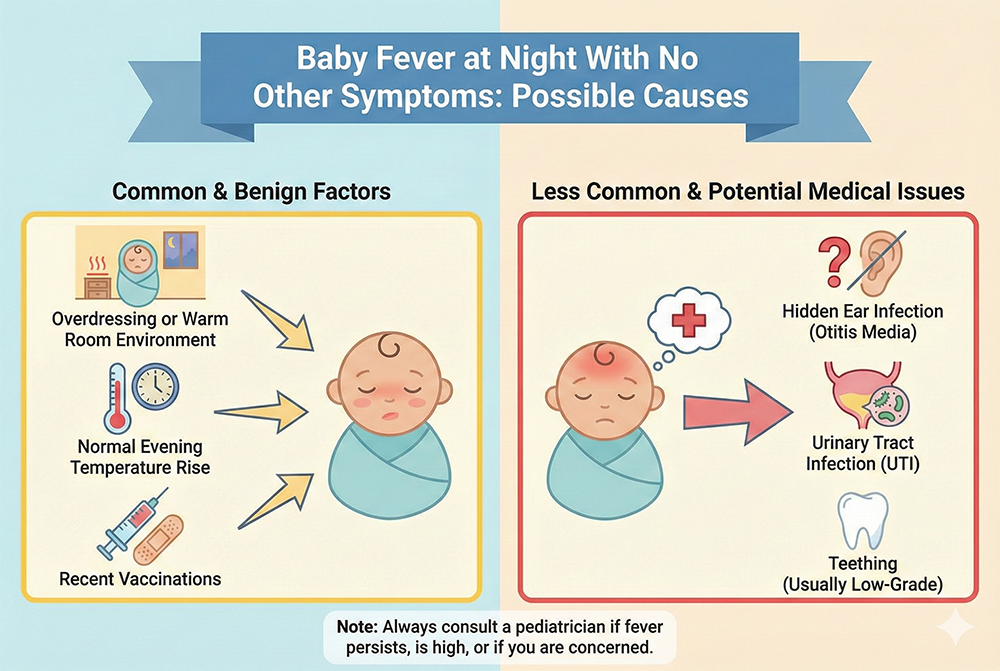
Baby Fever at Night With No Other Symptoms: Causes, Care, and When to Worry
Noticing a baby fever at night with no other symptoms? Learn common causes, safe home care, and clear signs it’s time to call the doctor.
Read More →Baby and child health recommendations
27 articles found
Noticing a baby fever at night with no other symptoms? Learn common causes, safe home care, and clear signs it’s time to call the doctor.
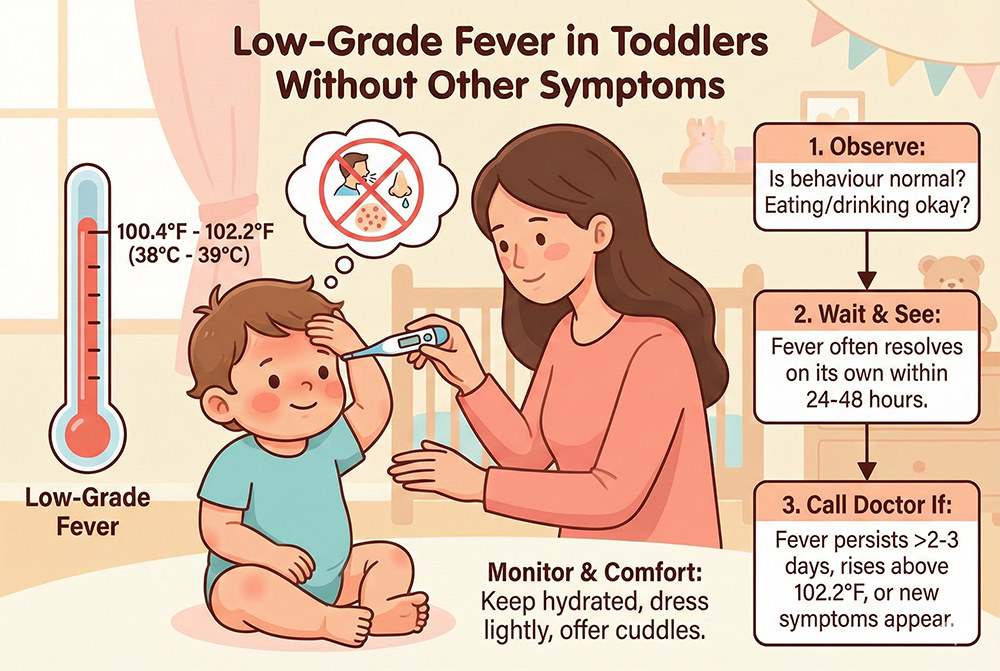
Read More →Noticing a mild fever with no other signs? Learn common causes, home care, and the red flags that mean it’s time to call the doctor.
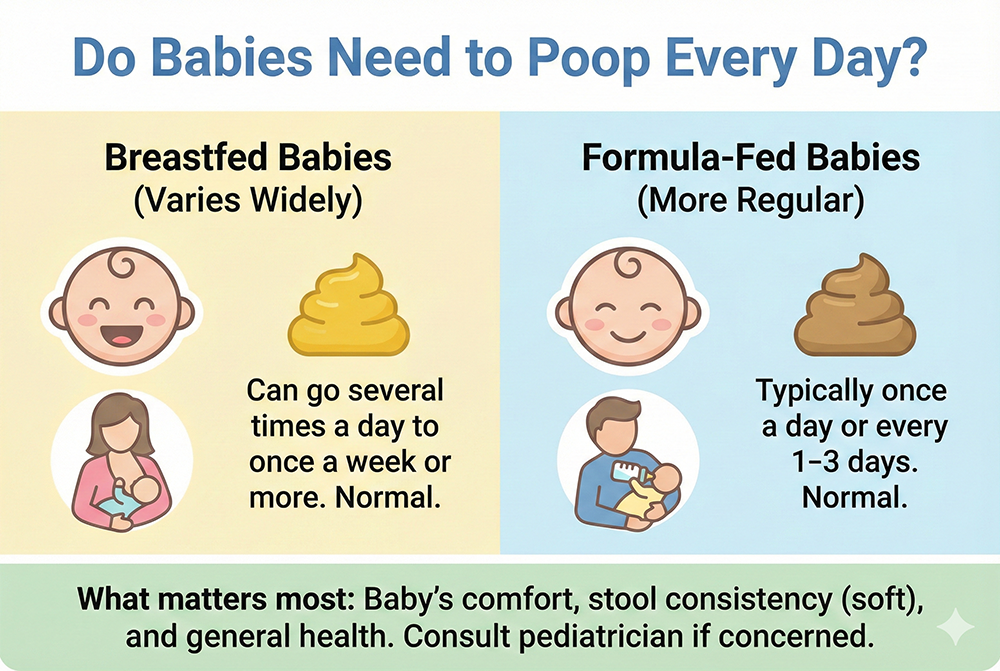
Read More →Many healthy babies don’t poop daily. Learn what’s normal by age and feeding type, plus constipation signs and when to call the pediatrician.
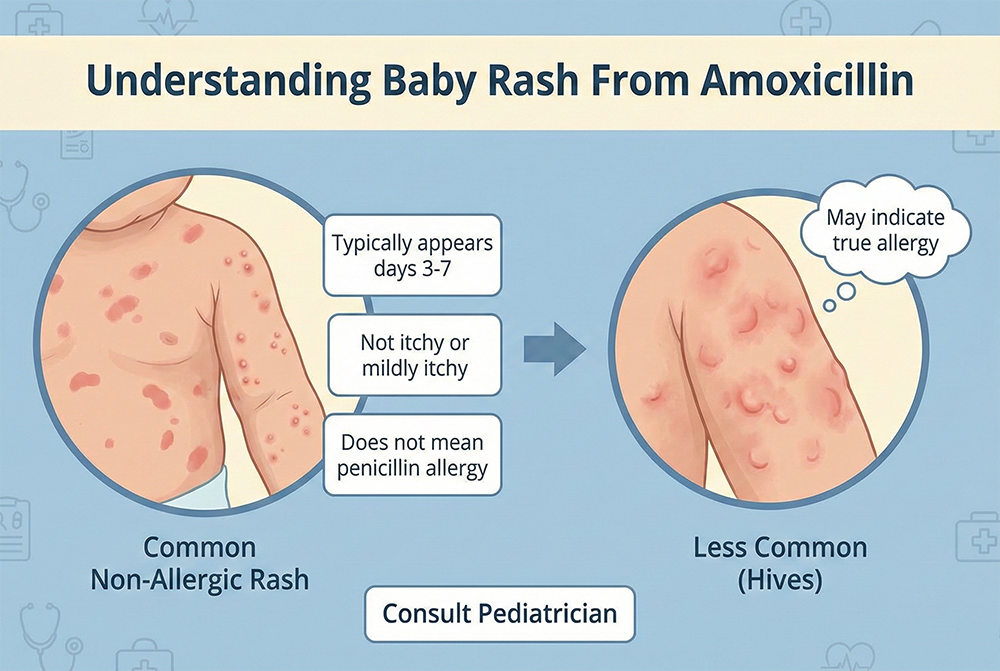
Read More →Not all amoxicillin rashes are allergies. Learn how to spot warning signs, what to do now, and how to protect future antibiotic choices.
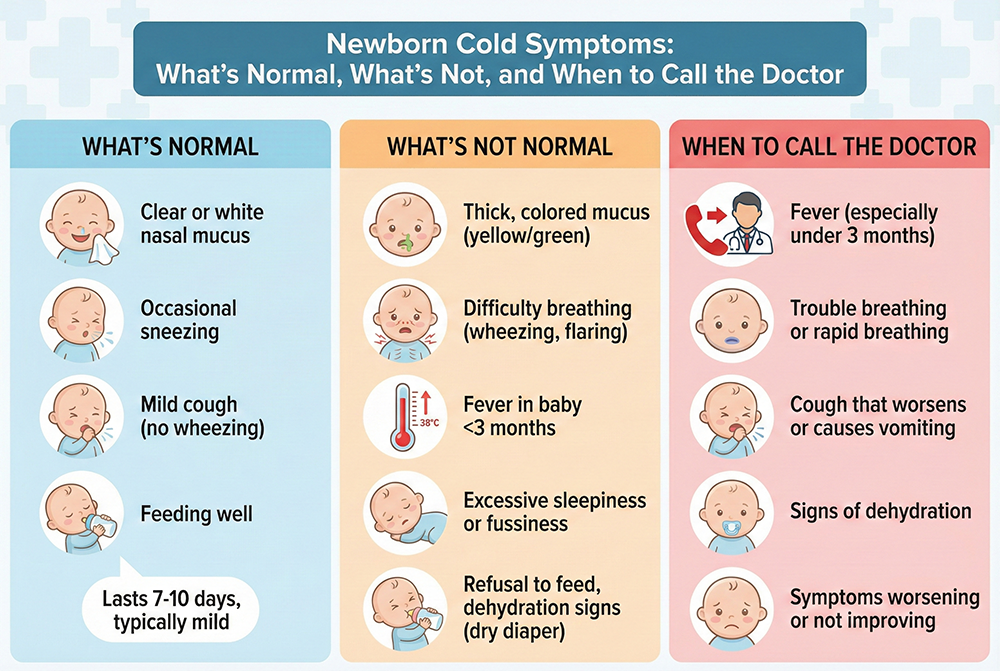
Read More →Learn common newborn cold symptoms, safe home care, and clear warning signs that mean your baby needs urgent medical attention.
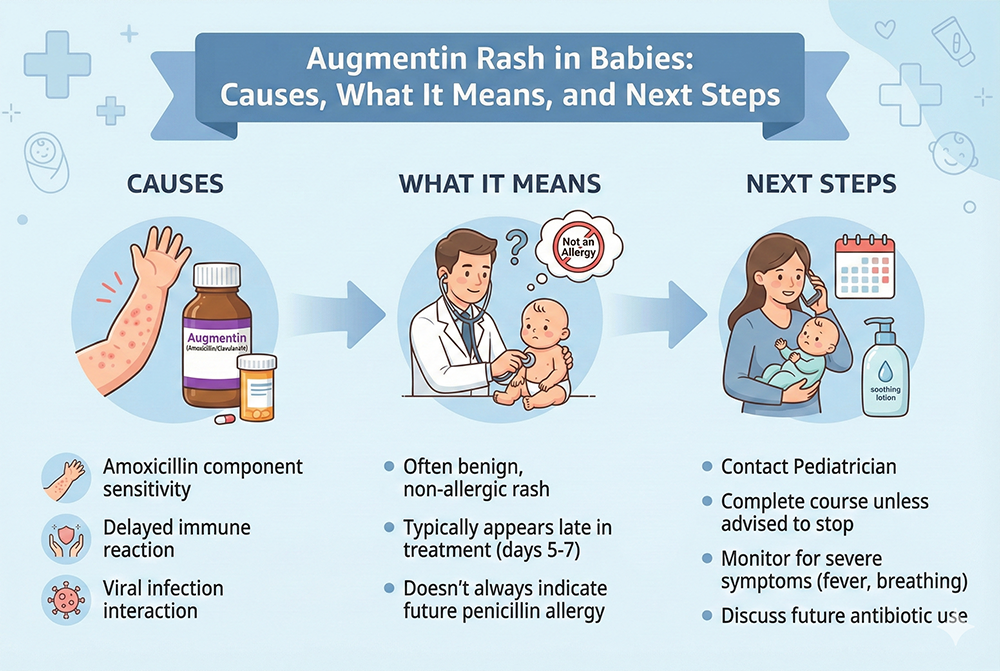
Read More →Noticed a rash while your baby is on Augmentin? Learn common causes, when it’s serious, and what to do next—step by step.
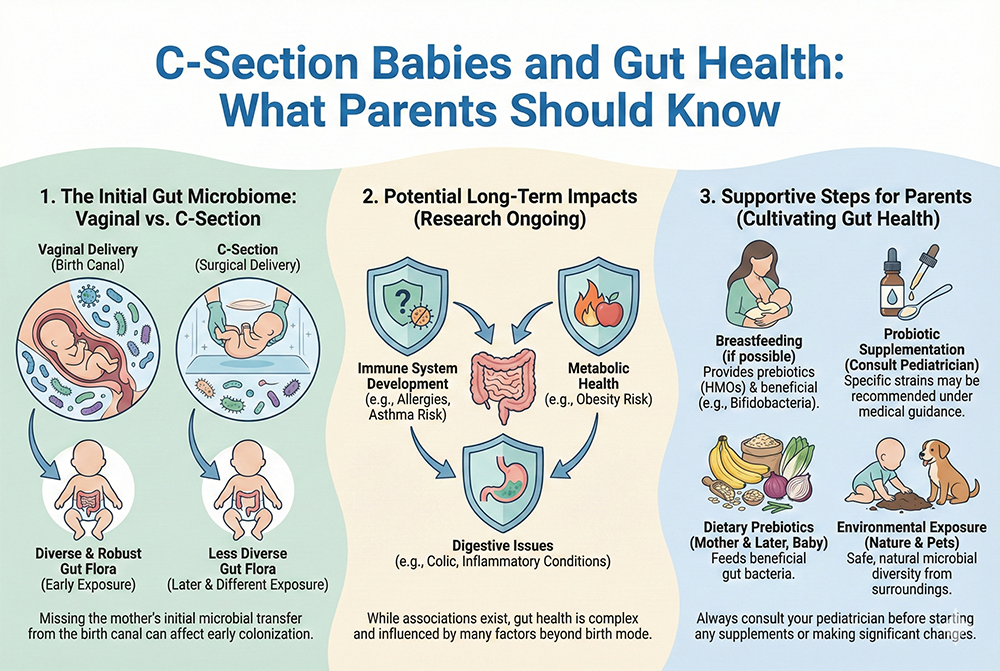
Read More →C-section birth can shape a baby’s early microbiome. Learn what the science says and practical, parent-friendly ways to support gut health.
Read More →Learn the common and subtle UTI symptoms in toddlers, when to call the doctor, and practical steps to prevent repeat infections.
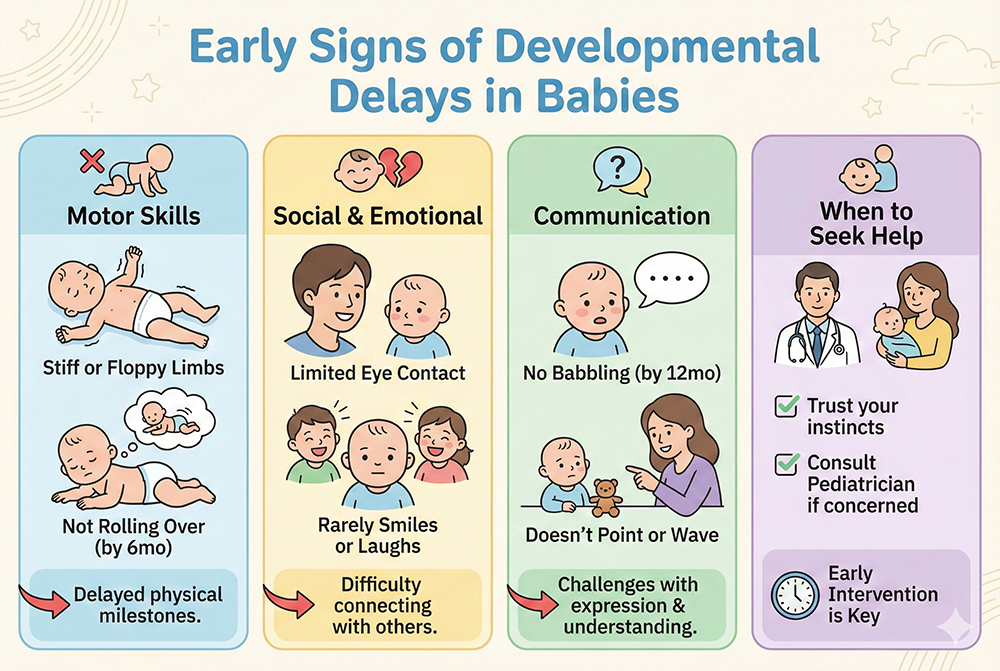
Read More →Learn early signs of developmental delays in babies, milestone red flags, and when to seek help—plus supportive tips for parents.
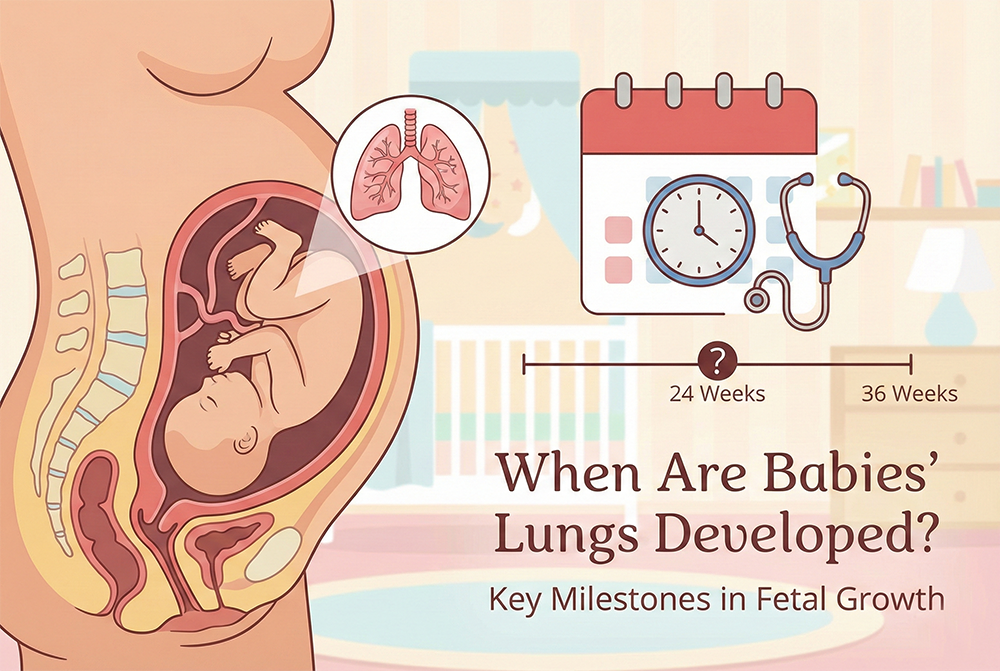
Read More →One of the most critical milestones in pregnancy is lung development. Many expectant parents wonder when babies’ lungs are developed and at what point they are strong enough to function outside the womb. The lungs are among the last major organs to fully mature during fetal development, which is why premature birth can present respiratory challenges. Understanding how and when lung development occurs can provide reassurance and clarity during pregnancy.
Read More →Many parents notice that newborns often have a small, flat-looking nose and begin to wonder when a baby’s nose bridge develops. Facial features change significantly during infancy and early childhood, and the nose is one of the most noticeable areas of transformation. The development of the nose bridge is a gradual process influenced by genetics, bone growth, and cartilage maturation over time.
Read More →Fingerprints are one of the most fascinating features of human development, as no two individuals share the same pattern-not even identical twins. This naturally leads many parents to wonder when babies develop fingerprints and whether these unique patterns are present at birth. Fingerprint formation begins much earlier than most people expect and is closely tied to prenatal development in the womb.
Read More →