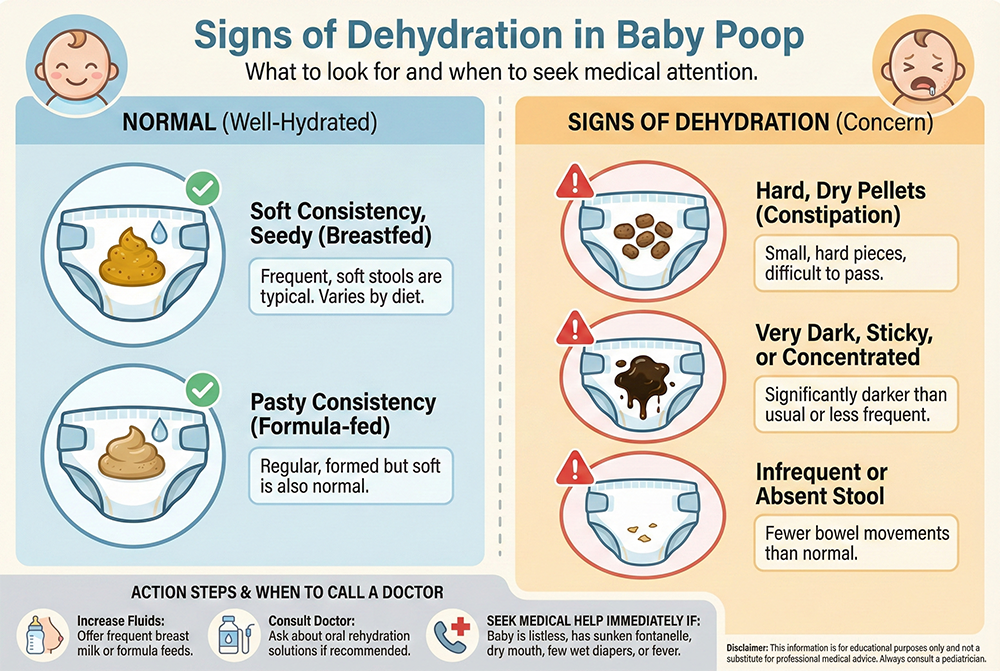
Signs of Dehydration in Baby Poop: What to Look For and When to Worry
Learn how baby poop can hint at dehydration, what’s normal, red flags to watch for, and when to call your pediatrician.
Read More →Healthy nutrition recommendations for babies and children
14 articles found
Learn how baby poop can hint at dehydration, what’s normal, red flags to watch for, and when to call your pediatrician.
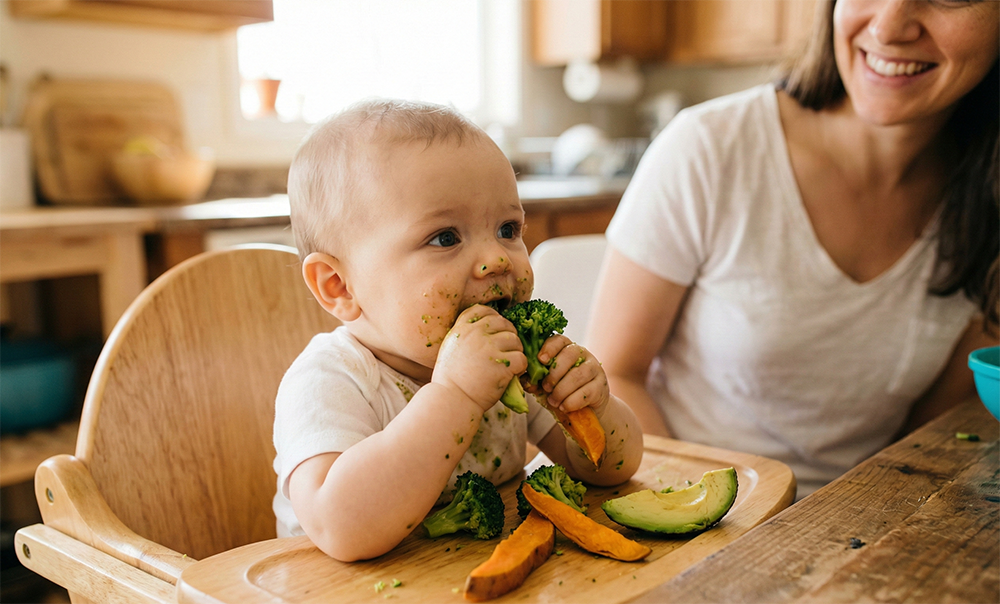
Read More →BLW (Baby-Led Weaning) is a feeding approach that allows babies to feed themselves during the transition to solid foods. Instead of being spoon-fed purees, babies explore appropriately sized foods on their own. BLW supports motor development, sensory awareness, self-confidence, and independent eating skills in a natural way.
Read More →When babies reach 12 months, they take their first step from “infancy” into “toddlerhood.” As a result, their feeding routine can change significantly compared to previous months. One of the most common questions parents ask during this time is how often should a 12-month-old baby be fed. From age one, babies become more involved in family meals, and feeding times usually settle into a clearer daily routine.
Read More →When babies reach 11 months of age, they are getting very close to their first birthday, and their feeding routines usually become more established. During this period, one of the most frequently asked questions by parents is how often should an 11-month-old baby be fed. At 11 months, the variety of solid foods increases, and babies begin to show more interest in eating with the family. However, breast milk or formula still remains an important part of daily nutrition.
Read More →Feeding a 10-month-old baby is a critical stage where both physical development and healthy eating habits are being established. As babies reach 10 months, their motor skills improve rapidly, mobility increases significantly, and their energy needs rise accordingly. For this reason, feeding routines may need to be adjusted compared to earlier months. During this period, parents most commonly ask how often should a 10-month-old baby be fed and how often does a 10-month-old baby get hungry. Month 10 is a transition stage in which solid foods take a major role in daily nutrition, while breast milk or formula still remains a primary source of nourishment.
Read More →When babies reach 9 months, their mobility increases, their sense of taste develops, and their adjustment to solid foods becomes much more noticeable. During this period, one of the questions parents wonder about most is how often should a 9-month-old baby be fed. By the 9th month, babies’ meal frequency, solid food amounts, and milk intake usually become more structured and consistent.
Read More →When babies reach 8 months of age, their desire to explore increases, their movements become more active, and their energy needs become more noticeable. During this period, one of the most common questions parents ask is how often should an 8-month-old baby be fed. The 8th month is a critical stage when solid foods become more regular and babies start getting used to different tastes. However, breast milk or formula still remains the baby’s primary source of nutrition.
Read More →When babies reach 7 months of age, both their appetite and daily routines begin to change noticeably. During this period, many parents search for answers to the question how often should a 7-month-old baby be fed. At 7 months, babies are usually more familiar with solid foods and start exploring different tastes and textures. However, even at this stage, breast milk or formula remains the baby’s primary source of nutrition.
Read More →6-month-old baby development is a period of major changes in physical, cognitive, and social growth. This month, your baby becomes more active, more curious, and much more interactive with their surroundings. Month 6 is also the time when many babies begin the transition to solid foods. In this guide, we cover your 6-month-old baby’s development from every angle.
Read More →When babies reach 5 months of age, both their feeding routines and sleep cycles change significantly. One of the most common questions parents ask during this stage is how often should a 5-month-old baby be fed. The fifth month is marked by frequent growth spurts, increased energy needs, and longer awake periods. For this reason, adjusting feeding intervals correctly is essential for both healthy development and family routine.
Read More →When babies reach 4 months of age, both their feeding routines and daily activities become more predictable. One of the most common questions parents ask during this period is how often should a 4-month-old baby be fed. The fourth month is a time of growth spurts and increased stomach capacity. For this reason, feeding intervals should be shaped according to the baby’s individual needs and development.
Read More →As babies reach the 3-month mark, feeding routines usually start to become more consistent. During this period, one of the most common questions parents ask is how often should a 3-month-old baby be fed. Although every baby is different, general developmental data provides clear guidance on ideal feeding intervals, nursing duration, and formula amounts. In this guide, we take a detailed look at the feeding routine of a baby who is fed breast milk and/or formula during the third month.
Read More →