🌟 Exclusive Platform for Parents

Your Guide to
Baby & Child Development

Discover expert tips for your baby's and child's healthy development. Science-based guidance on nutrition, education, activities, and more.

Latest Articles

BLW (Baby-Led Weaning) Method

BLW (Baby-Led Weaning) Method

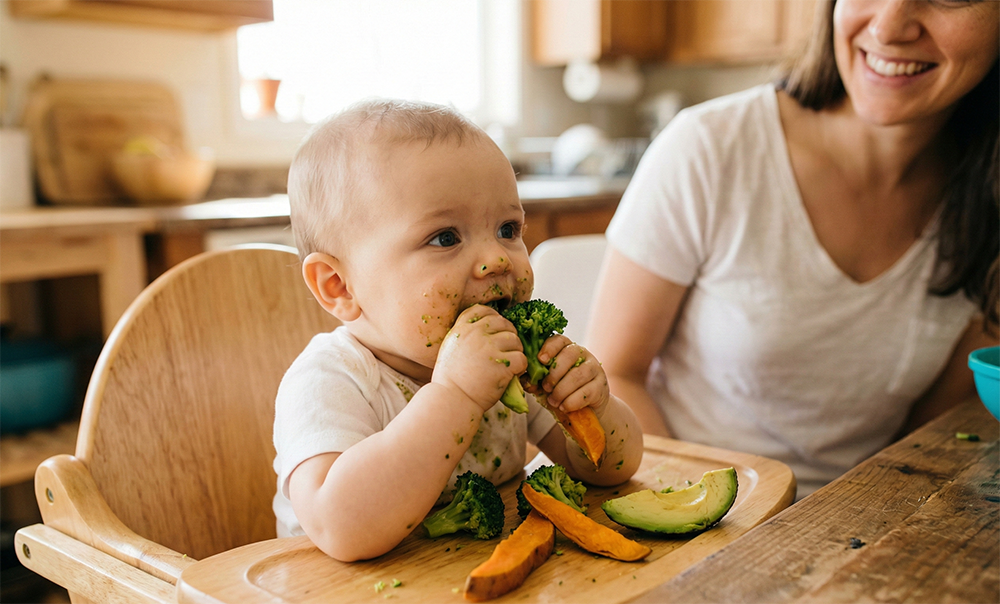
BLW (Baby-Led Weaning) is a feeding approach that allows babies to feed themselves during the transition to solid foods. Instead of being spoon-fed purees, babies explore appropriately sized foods on their own. BLW supports motor development, sensory awareness, self-confidence, and independent eating skills in a natural way.

Read More →
Child Development

Child Development

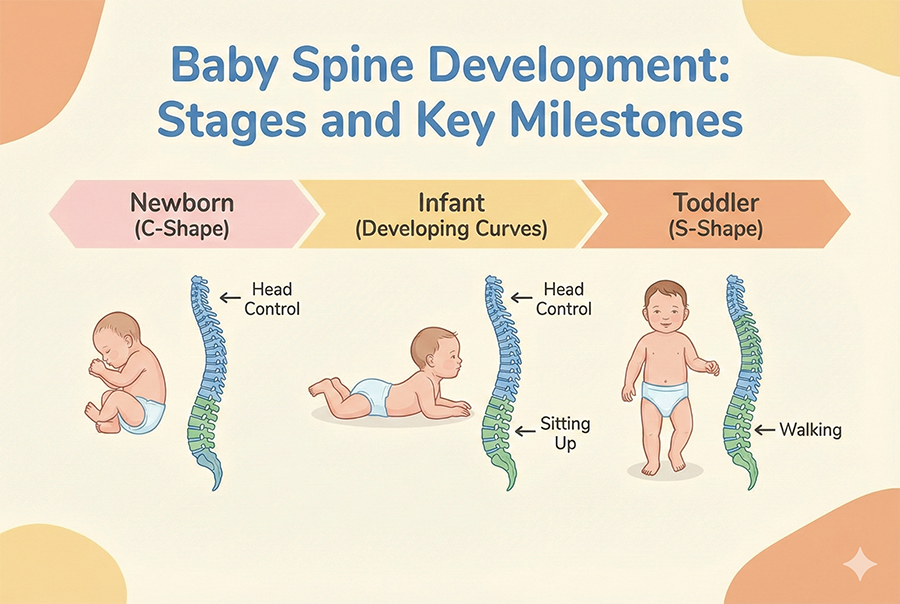
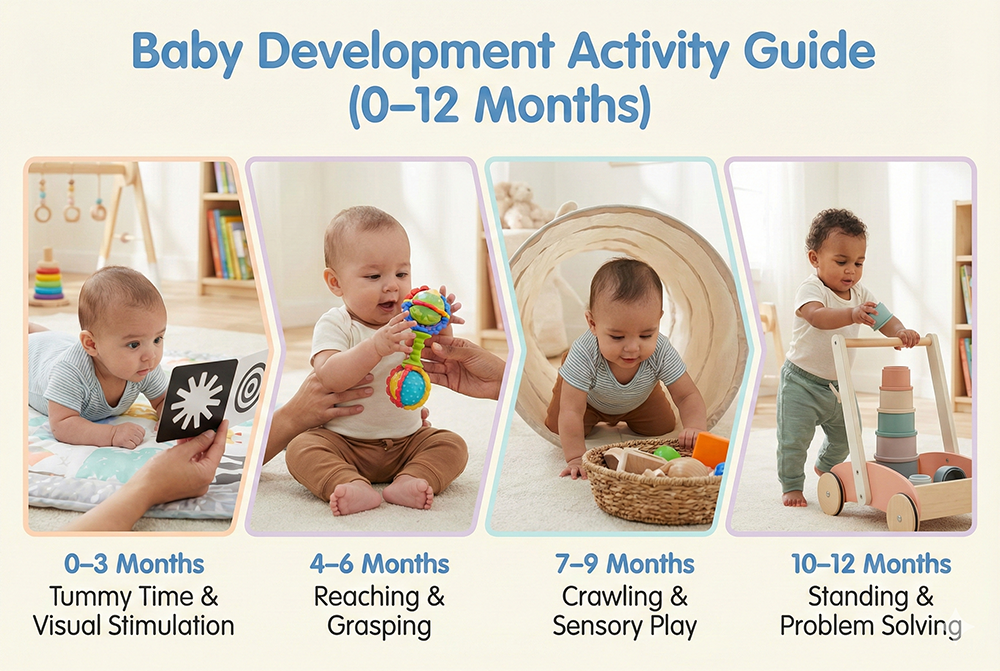
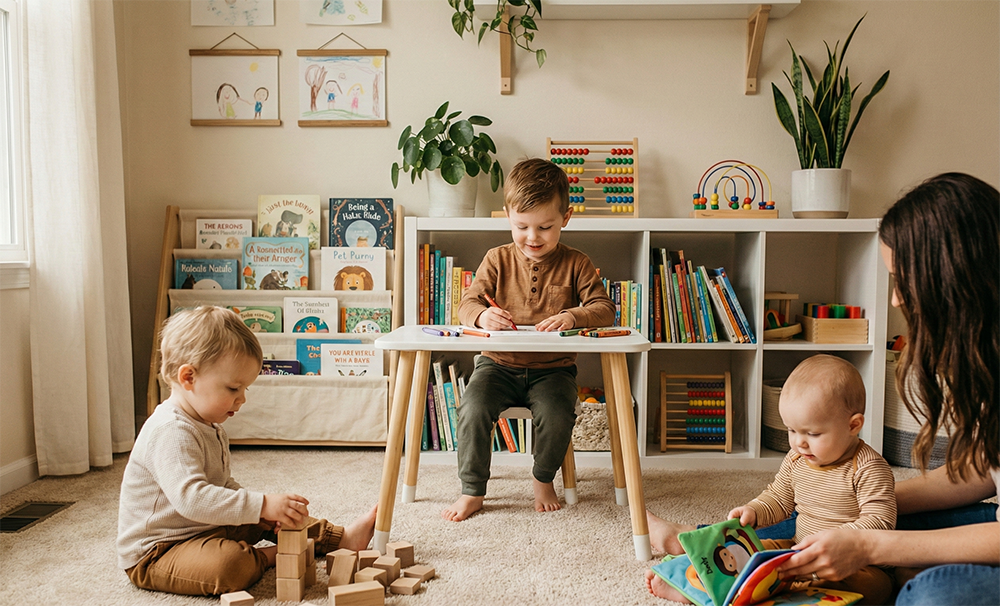
Child development is the combination of physical, cognitive, social, and emotional changes that begin at birth. The first six years are the period when the brain develops most rapidly. During these years, children explore their environment, learn to speak, form social relationships, and build the foundations of their identity. In this guide, we will explore step by step what parents should pay attention to during the 0–6 age period.

Read More →
Baby Cognitive Development: Learning Mathematics and Symbols

Baby Cognitive Development: Learning Mathematics and Symbols

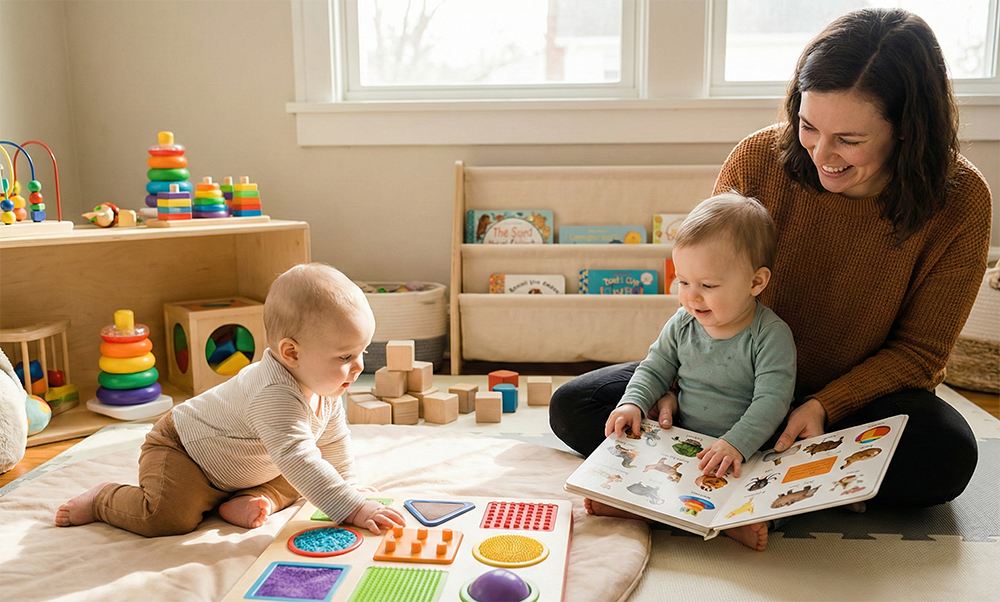
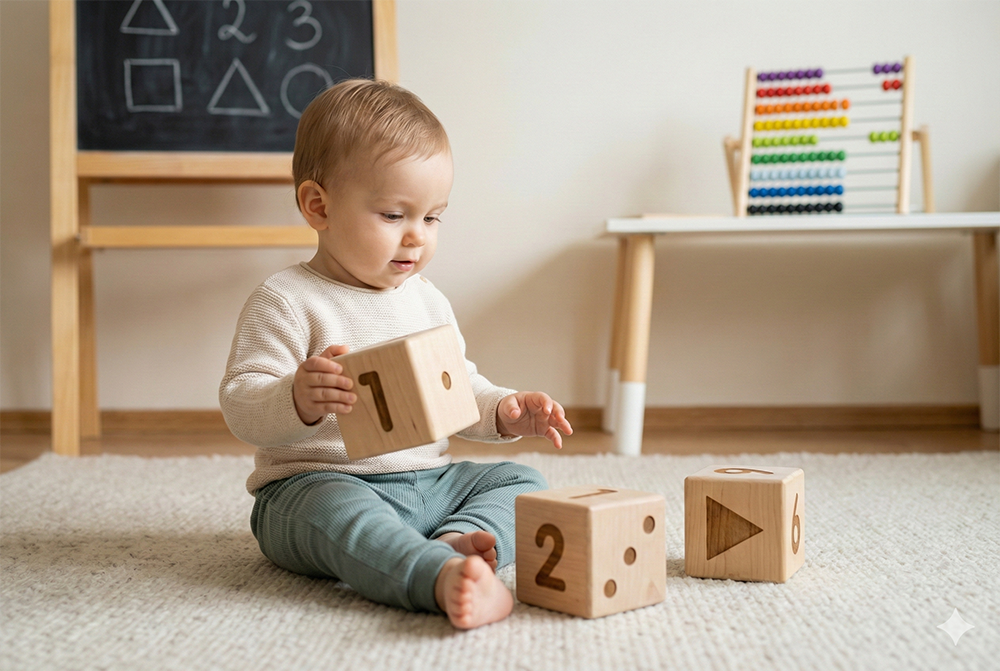
Babies are often thought of as passive learners, but research in early childhood development shows that even in the first years of life, the brain is actively processing patterns, quantities, and symbols. This raises an important question about baby cognitive development: how and when do infants begin learning mathematics and symbols? While babies do not solve equations, the foundations of mathematical thinking and symbolic understanding begin much earlier than formal education.

Read More →
Baby Brain Development: Best Colors for Cognitive Growth

Baby Brain Development: Best Colors for Cognitive Growth

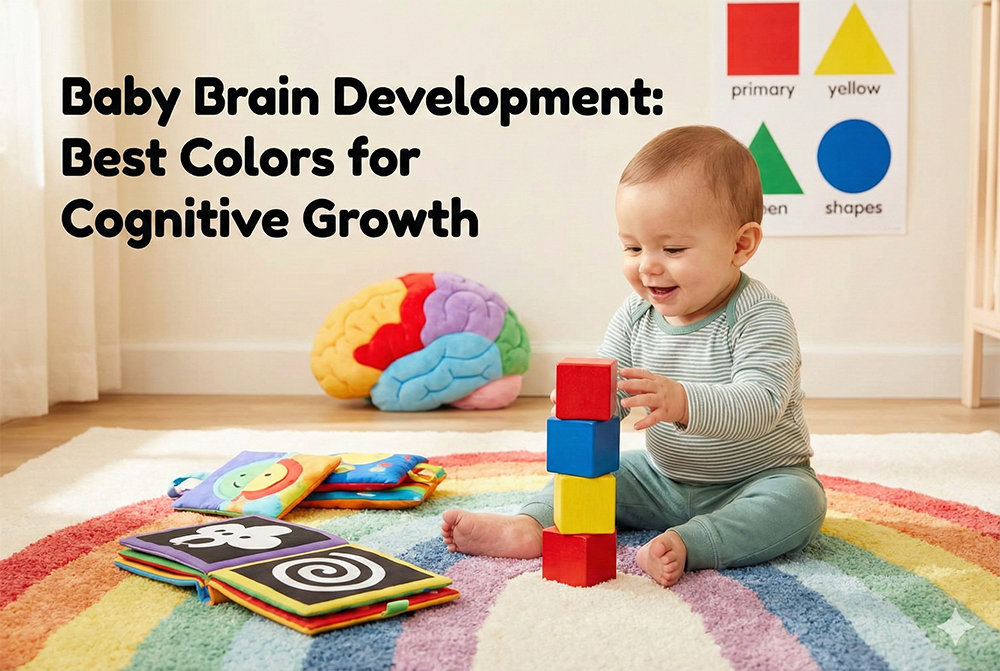
From the moment they are born, babies begin absorbing information from their surroundings. One of the most powerful and often overlooked influences on early learning is visual stimulation, especially color. This leads many parents to ask how baby brain development is affected by color and which shades best support cognitive growth. Research in early childhood development suggests that color plays a meaningful role in attention, memory, and sensory processing during infancy.

Read More →
In Which Month Is a Baby’s Gender Developed by Ultrasound?

In Which Month Is a Baby’s Gender Developed by Ultrasound?

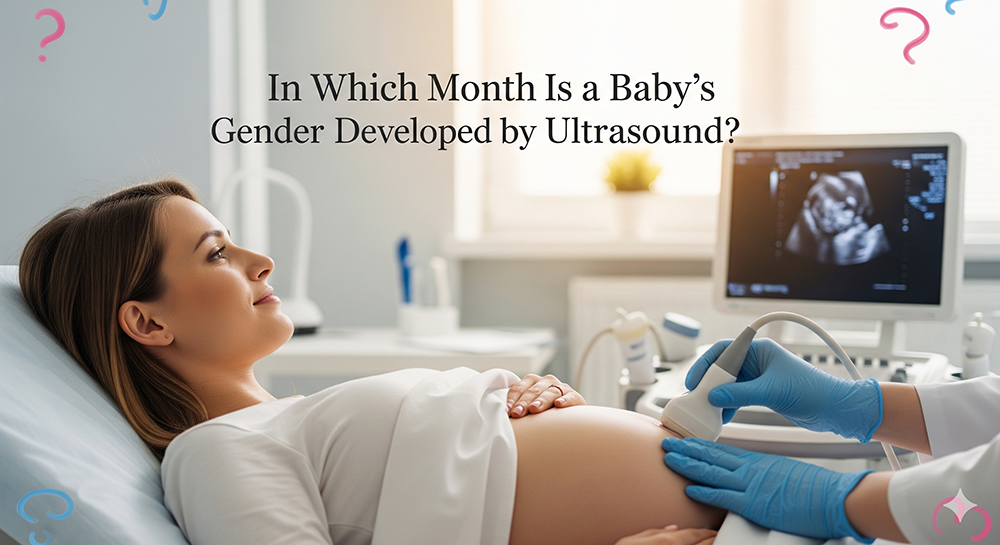
One of the most exciting moments during pregnancy is learning a baby’s gender. Many parents ask in which month a baby’s gender is developed by ultrasound and how accurate those results really are. While a baby’s biological sex is determined at conception, it takes time for the external genital organs to develop enough to be seen clearly on an ultrasound scan.

Read More →
When Does Baby Nose Bridge Develop?

When Does Baby Nose Bridge Develop?

Many parents notice that newborns often have a small, flat-looking nose and begin to wonder when a baby’s nose bridge develops. Facial features change significantly during infancy and early childhood, and the nose is one of the most noticeable areas of transformation. The development of the nose bridge is a gradual process influenced by genetics, bone growth, and cartilage maturation over time.

Read More →
When Do Babies Develop Fingerprints?

When Do Babies Develop Fingerprints?

Fingerprints are one of the most fascinating features of human development, as no two individuals share the same pattern-not even identical twins. This naturally leads many parents to wonder when babies develop fingerprints and whether these unique patterns are present at birth. Fingerprint formation begins much earlier than most people expect and is closely tied to prenatal development in the womb.

Read More →
When Do Babies Develop Tears?

When Do Babies Develop Tears?

New parents are often surprised to learn that newborn babies can cry loudly without producing visible tears. This leads to a very common and completely natural question: when do babies develop tears? Understanding how a baby’s tear production develops helps parents distinguish between normal infant behavior and potential eye health concerns. Tear development is closely linked to the maturation of the lacrimal (tear) system, which continues to evolve after birth.

Read More →
Can You Develop Endometriosis After Having a Baby?

Can You Develop Endometriosis After Having a Baby?

Many people assume that pregnancy and childbirth permanently protect against gynecological conditions, especially those related to hormones. One of the most common questions asked after delivery is whether it’s possible to experience endometriosis after having a baby. While pregnancy can temporarily relieve symptoms for some, it does not eliminate the risk entirely. Understanding how endometriosis behaves before, during, and after pregnancy is essential for recognizing symptoms early and seeking appropriate care.

Read More →
When Is a Baby’s Lungs Fully Developed?

When Is a Baby’s Lungs Fully Developed?

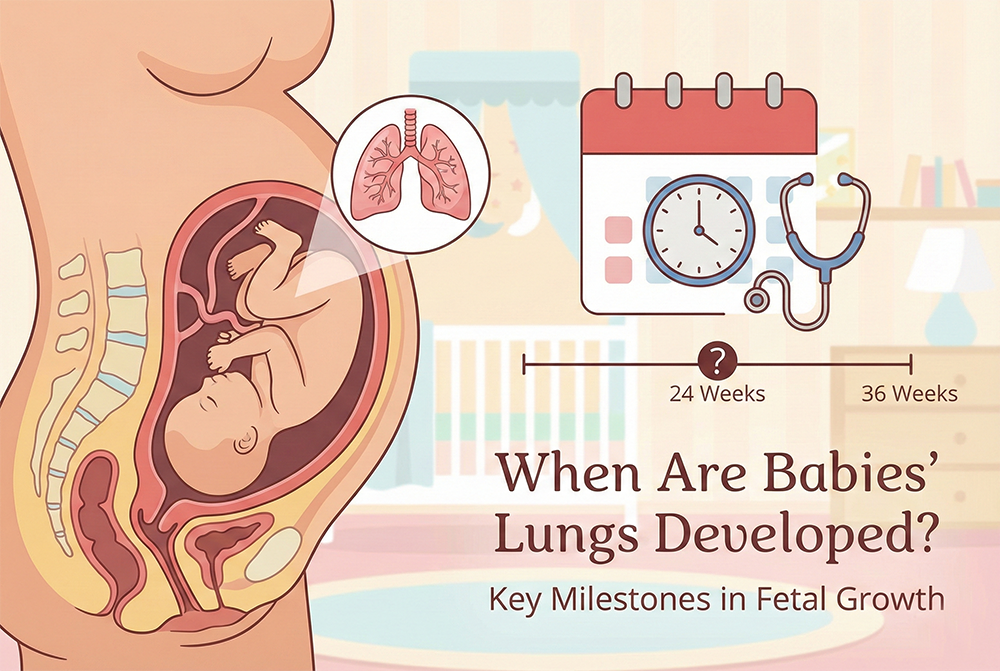
One of the most important milestones in pregnancy is lung maturity. Many expectant parents ask, when is a baby’s lungs fully developed and at what point the baby can safely breathe without assistance after birth. Lung development is a gradual and complex process that begins early in pregnancy but completes much later than many other organs. Understanding the stages of fetal lung development helps clarify why full-term pregnancy is so important for respiratory health.

Read More →
How Often Should a 12-Month-Old Baby Be Fed?

How Often Should a 12-Month-Old Baby Be Fed?

When babies reach 12 months, they take their first step from “infancy” into “toddlerhood.” As a result, their feeding routine can change significantly compared to previous months. One of the most common questions parents ask during this time is how often should a 12-month-old baby be fed. From age one, babies become more involved in family meals, and feeding times usually settle into a clearer daily routine.

Read More →
How Often Should a 11-Month-Old Baby Be Fed?

How Often Should a 11-Month-Old Baby Be Fed?

When babies reach 11 months of age, they are getting very close to their first birthday, and their feeding routines usually become more established. During this period, one of the most frequently asked questions by parents is how often should an 11-month-old baby be fed. At 11 months, the variety of solid foods increases, and babies begin to show more interest in eating with the family. However, breast milk or formula still remains an important part of daily nutrition.

Read More →

Start your child's development journey today

Access the most reliable information for your baby and child on the platform trusted by thousands of families.