🌟 Exclusive Platform for Parents

Your Guide to
Baby & Child Development

Discover expert tips for your baby's and child's healthy development. Science-based guidance on nutrition, education, activities, and more.

Latest Articles

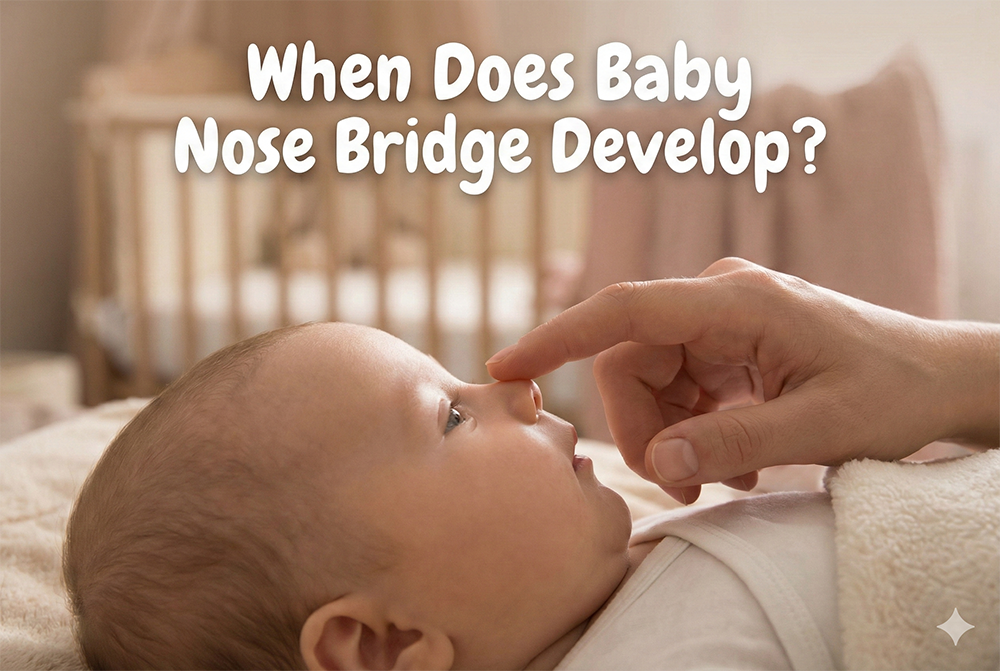
When Does Baby Nose Bridge Develop?

When Does Baby Nose Bridge Develop?

Many parents notice that newborns often have a small, flat-looking nose and begin to wonder when a baby’s nose bridge develops. Facial features change significantly during infancy and early childhood, and the nose is one of the most noticeable areas of transformation. The development of the nose bridge is a gradual process influenced by genetics, bone growth, and cartilage maturation over time.

Read More →
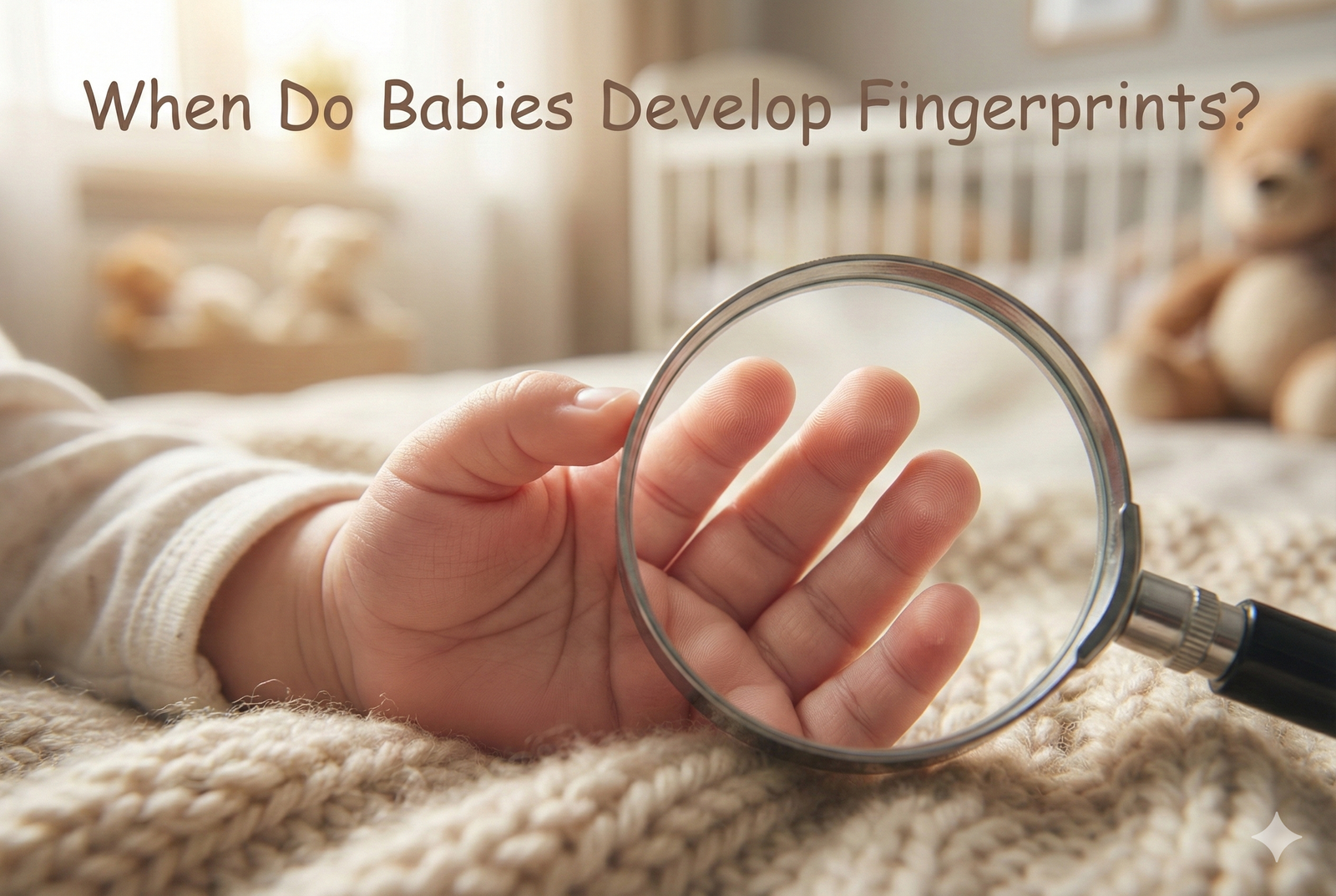
When Do Babies Develop Fingerprints?

When Do Babies Develop Fingerprints?

Fingerprints are one of the most fascinating features of human development, as no two individuals share the same pattern-not even identical twins. This naturally leads many parents to wonder when babies develop fingerprints and whether these unique patterns are present at birth. Fingerprint formation begins much earlier than most people expect and is closely tied to prenatal development in the womb.

Read More →
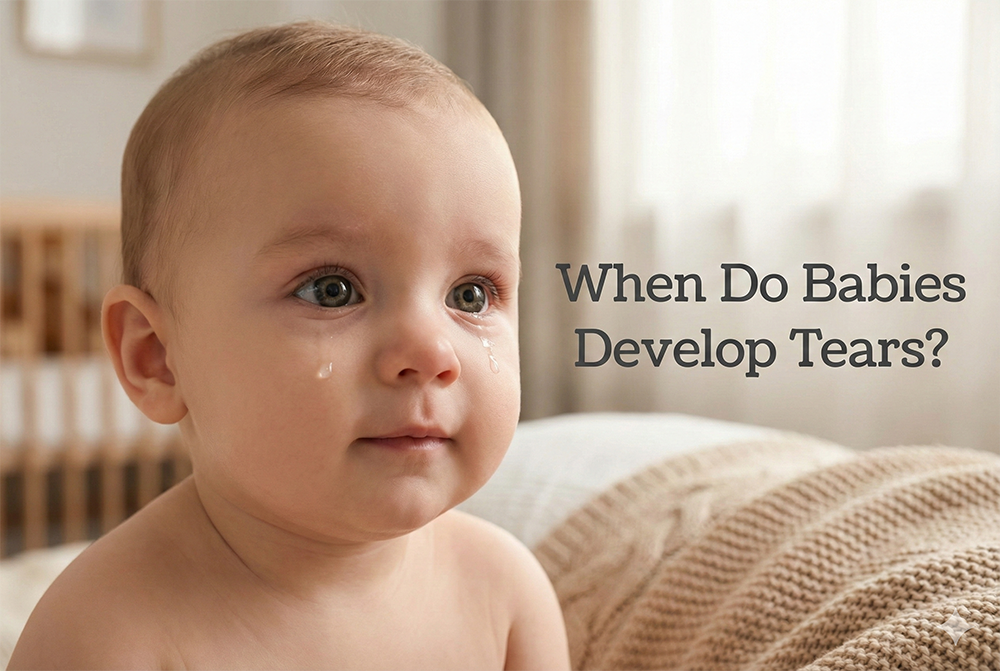
When Do Babies Develop Tears?

When Do Babies Develop Tears?

New parents are often surprised to learn that newborn babies can cry loudly without producing visible tears. This leads to a very common and completely natural question: when do babies develop tears? Understanding how a baby’s tear production develops helps parents distinguish between normal infant behavior and potential eye health concerns. Tear development is closely linked to the maturation of the lacrimal (tear) system, which continues to evolve after birth.

Read More →
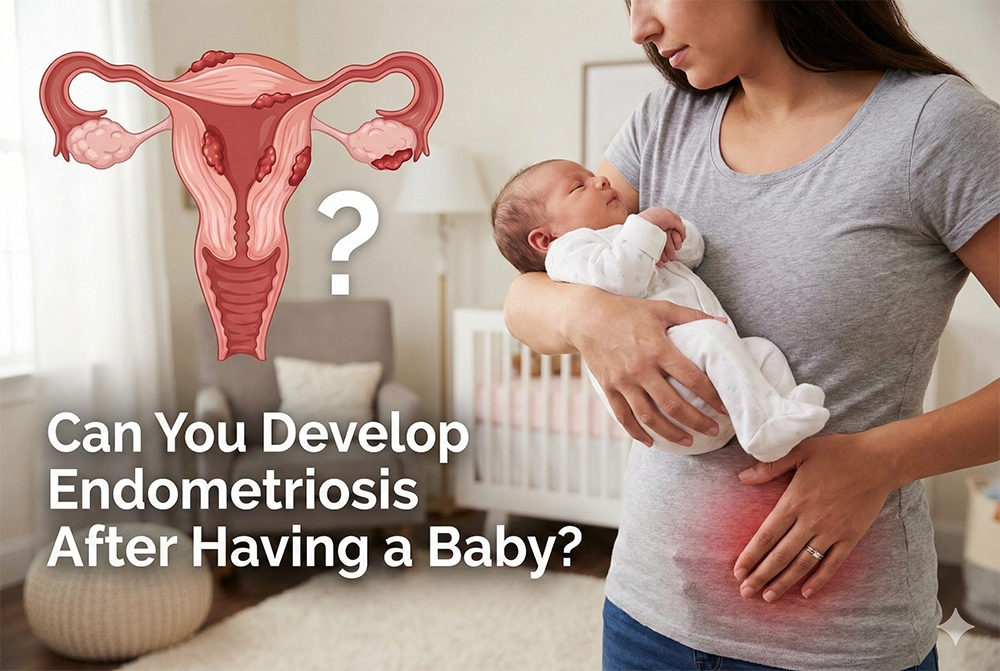
Can You Develop Endometriosis After Having a Baby?

Can You Develop Endometriosis After Having a Baby?

Many people assume that pregnancy and childbirth permanently protect against gynecological conditions, especially those related to hormones. One of the most common questions asked after delivery is whether it’s possible to experience endometriosis after having a baby. While pregnancy can temporarily relieve symptoms for some, it does not eliminate the risk entirely. Understanding how endometriosis behaves before, during, and after pregnancy is essential for recognizing symptoms early and seeking appropriate care.

Read More →
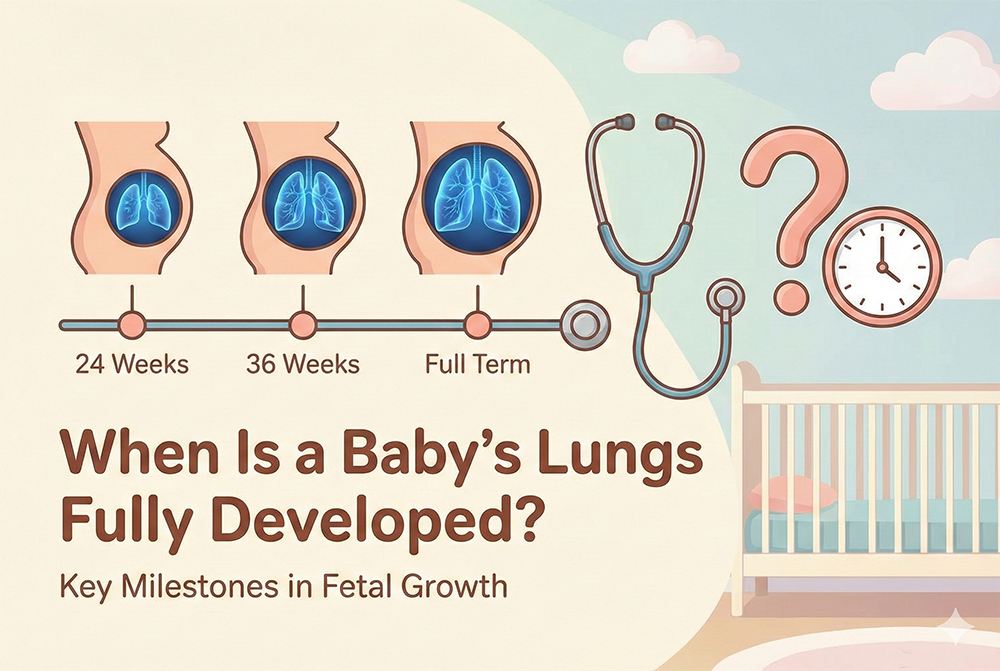
When Is a Baby’s Lungs Fully Developed?

When Is a Baby’s Lungs Fully Developed?

One of the most important milestones in pregnancy is lung maturity. Many expectant parents ask, when is a baby’s lungs fully developed and at what point the baby can safely breathe without assistance after birth. Lung development is a gradual and complex process that begins early in pregnancy but completes much later than many other organs. Understanding the stages of fetal lung development helps clarify why full-term pregnancy is so important for respiratory health.

Read More →
How Often Should a 12-Month-Old Baby Be Fed?

How Often Should a 12-Month-Old Baby Be Fed?

When babies reach 12 months, they take their first step from “infancy” into “toddlerhood.” As a result, their feeding routine can change significantly compared to previous months. One of the most common questions parents ask during this time is how often should a 12-month-old baby be fed. From age one, babies become more involved in family meals, and feeding times usually settle into a clearer daily routine.

Read More →
How Often Should a 11-Month-Old Baby Be Fed?

How Often Should a 11-Month-Old Baby Be Fed?

When babies reach 11 months of age, they are getting very close to their first birthday, and their feeding routines usually become more established. During this period, one of the most frequently asked questions by parents is how often should an 11-month-old baby be fed. At 11 months, the variety of solid foods increases, and babies begin to show more interest in eating with the family. However, breast milk or formula still remains an important part of daily nutrition.

Read More →
How Often Should a 10-Month-Old Baby Be Fed?

How Often Should a 10-Month-Old Baby Be Fed?

Feeding a 10-month-old baby is a critical stage where both physical development and healthy eating habits are being established. As babies reach 10 months, their motor skills improve rapidly, mobility increases significantly, and their energy needs rise accordingly. For this reason, feeding routines may need to be adjusted compared to earlier months. During this period, parents most commonly ask how often should a 10-month-old baby be fed and how often does a 10-month-old baby get hungry. Month 10 is a transition stage in which solid foods take a major role in daily nutrition, while breast milk or formula still remains a primary source of nourishment.

Read More →
How Often Should a 9-Month-Old Baby Be Fed?

How Often Should a 9-Month-Old Baby Be Fed?

When babies reach 9 months, their mobility increases, their sense of taste develops, and their adjustment to solid foods becomes much more noticeable. During this period, one of the questions parents wonder about most is how often should a 9-month-old baby be fed. By the 9th month, babies’ meal frequency, solid food amounts, and milk intake usually become more structured and consistent.

Read More →
How Often Should a 8-Month-Old Baby Be Fed?

How Often Should a 8-Month-Old Baby Be Fed?

When babies reach 8 months of age, their desire to explore increases, their movements become more active, and their energy needs become more noticeable. During this period, one of the most common questions parents ask is how often should an 8-month-old baby be fed. The 8th month is a critical stage when solid foods become more regular and babies start getting used to different tastes. However, breast milk or formula still remains the baby’s primary source of nutrition.

Read More →
How Often Should a 7-Month-Old Baby Be Fed?

How Often Should a 7-Month-Old Baby Be Fed?

When babies reach 7 months of age, both their appetite and daily routines begin to change noticeably. During this period, many parents search for answers to the question how often should a 7-month-old baby be fed. At 7 months, babies are usually more familiar with solid foods and start exploring different tastes and textures. However, even at this stage, breast milk or formula remains the baby’s primary source of nutrition.

Read More →
How Often Should a 6-Month-Old Baby Be Fed?

How Often Should a 6-Month-Old Baby Be Fed?

6-month-old baby development is a period of major changes in physical, cognitive, and social growth. This month, your baby becomes more active, more curious, and much more interactive with their surroundings. Month 6 is also the time when many babies begin the transition to solid foods. In this guide, we cover your 6-month-old baby’s development from every angle.

Read More →

Start your child's development journey today

Access the most reliable information for your baby and child on the platform trusted by thousands of families.